
In today’s fast-moving, technology-driven economy, digital payments have become a crucial driver of business growth and competitiveness. Across Kenya, the shift from cash-based transactions to digital payment solutions has reshaped how consumers shop and how businesses operate. Kenyan entrepreneurs now have access to powerful tools that simplify transactions and unlock new market opportunities. For many enterprises, Customers now expect seamless, secure, and fast payment options, whether purchasing online or in physical stores. By integrating digital payment systems, businesses can reduce cash-handling risks, improve financial record-keeping, and gain valuable insights into customer preferences and sales patterns. This article explores how businesses in Kenya can adopt digital payments solutions to increase sales and boost operational efficiency. We will explore the various digital payment methods available in Kenya, the challenges of adopting them, and a step-by-step strategy for successfully adopting digital payments.
Benefits of Digital Payments for Kenyan Businesses
Adopting digital payments offers clear and measurable benefits for businesses across Kenya. In a market where convenience and speed shape customer decisions, embracing cashless systems can significantly strengthen both sales and efficiency. A study by Intrasend (2024) highlights the following significant,
a) Increased Sales and Wider Customer Reach
Today’s customers expect flexibility from businesses. The availability of cashless payment options, such as mobile money, cards, or online payments, can attract more buyers, including those who prefer digital transactions or shop remotely. Digital payments also encourage unplanned purchases and often lead to higher average customer spending, which in turn increases your sales.
b) Greater Operational Efficiency
Handling cash takes time and increases the risk of human error and theft. Digital payments streamline daily operations by reducing manual counting, speeding up payment processing, and simplifying record reconciliation. This will help in freeing up staff to focus on serving customers and growing the business.
c) Stronger Financial Control and Compliance
Digital transactions automatically generate electronic records that make bookkeeping, tax filing, and financial reporting easier and more accurate. These accurate records help your business demonstrate credibility to lenders, making it easier to access loans and credit facilities from those institutions.
d) Enhanced Competitiveness and Customer Trust
Offering modern, secure payment options signals reliability and professionalism. Customers are more likely to trust and return to a business that offers convenient, secure payment options, giving it an advantage in a competitive marketplace.
e) Reduces Costs
Running a physical retail business often requires significant spending on staff and equipment to manage payments efficiently. For instance, you will need a cashier, point-of-sale (POS) machines, and back-office employees to record and reconcile daily transactions.
Banks also charge fees for cash deposits, adding to overall expenses. By adopting digital payment systems, a business can greatly reduce these costs. Online payment platforms operate automatically and around the clock, eliminating the need for constant manual oversight. This means lower operational expenses and the ability to keep your business running even after traditional closing hours.
Types of Digital Payment Tools Available to Kenyan Businesses
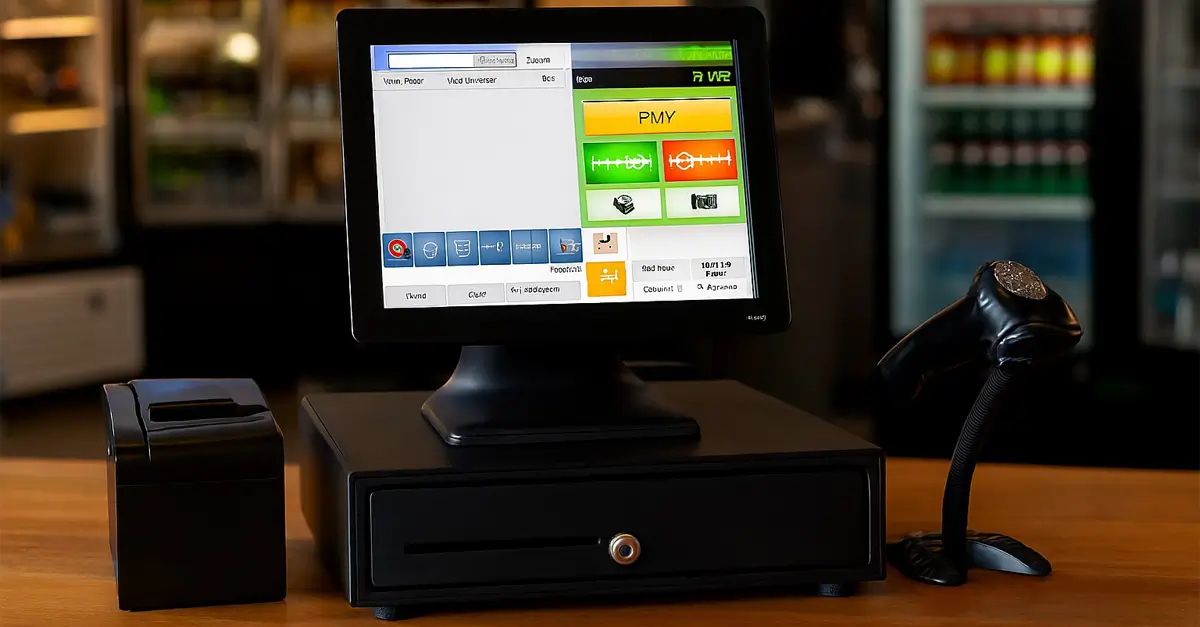
As more Kenyan consumers and companies embrace cashless transactions, businesses now have access to a variety of digital payment tools that make it easier to receive money, manage finances, and serve customers efficiently. Each option is designed to fit specific business needs, from small kiosks to large corporations, allowing entrepreneurs to choose what works best for their operations. A study done by Cellulant (2025) highlights the following methods.
i. Mobile Money Platforms
Mobile money services such as M-Pesa, Airtel Money, and T-Kash are among the most popular payment tools in Kenya. They allow businesses to receive payments directly through merchant till numbers, send bulk money to employees or suppliers, and process person-to-business (P2B) transactions. Their convenience and widespread adoption make them ideal for in-person retail and small-business operations.
ii. Bank and Interbank Systems
This is where the Bank-based systems like Pesalink, along with mobile and internet banking platforms, provide businesses with reliable ways to transfer and receive funds between bank accounts in real time. You can use this method for transactions such as business-to-business (B2B) payments, supplier settlements, and consolidating daily transactions into corporate accounts, ensuring smooth reconciliation and record-keeping.
iii. Card Acceptance and Point-of-Sale (POS) Systems
Card acceptance refers to a business’s ability to take payments via credit, debit, or prepaid cards. It requires agreements with payment processors or acquiring banks, who handle the technical and financial aspects of card transactions. A business typically then pays a transaction fee or a percentage of each sale to the processor. A Point-of-Sale (POS) system is the place and technology where a transaction occurs.
Many Kenyan businesses accept Visa and MasterCard payments through acquiring banks and POS terminals. Modern systems also support contactless or mobile POS solutions, allowing customers to tap their cards or smartphones to pay. These options are especially common in formal retail, hospitality, and high-value transactions where customers prefer card-based payments.
iv. Online Payment Gateways and E-commerce Integration
A payment gateway is a secure technology that connects a business’s point-of-sale (POS) system or online store to the customer’s bank. It authorizes and processes card and digital payments in real time, ensuring that funds move safely from the buyer to the seller. It acts as a bridge between the customer, the business, and the financial institutions involved in the transaction.
If your business sells online, platforms like Flutterwave, Pesapal, PayPal, and JumiaPay enable smooth payment collection from customers locally and abroad. These gateways support online stores, pay-by-link features, subscription payments, and even cross-border transactions, helping businesses expand their reach beyond physical locations.
v. QR Codes and Contactless Options
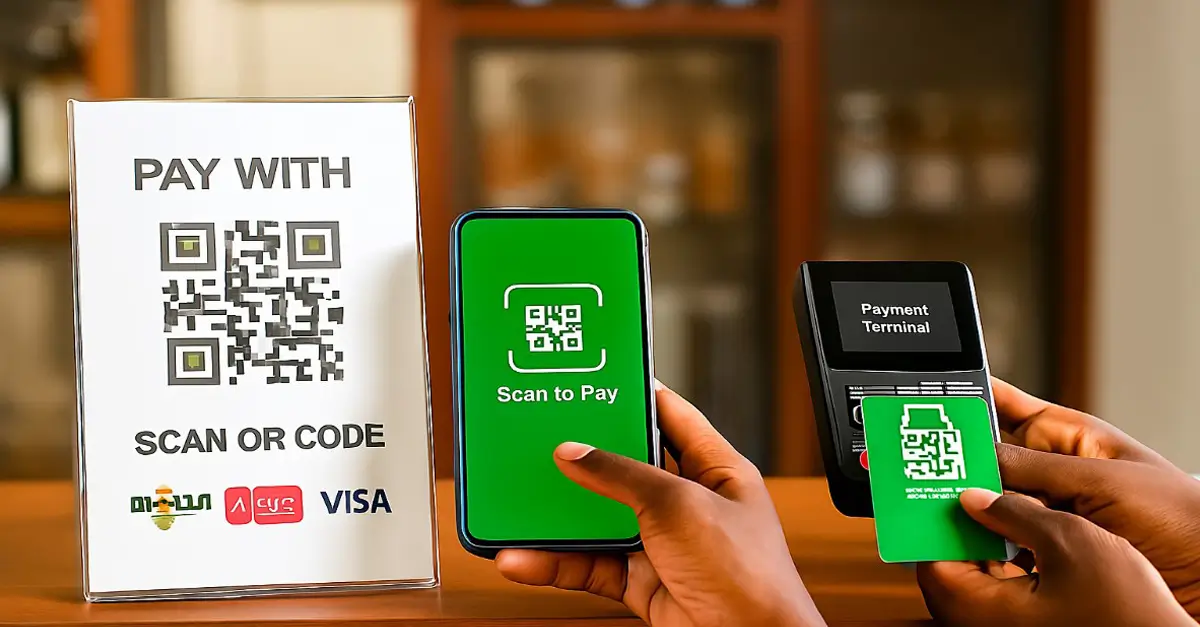
QR-based payments and contactless wallet systems are gaining popularity among small and mobile businesses. By simply scanning a QR code, customers can send payments directly to a business’s account. This method is low-cost, quick to set up, and ideal for micro-businesses, market vendors, and pop-up sellers who want to accept digital payments without expensive equipment.
How Digital Payments Boost Sales in Kenya
Digital payment tools are powerful drivers of business growth. By making transactions faster, more secure, and accessible across different channels, they help Kenyan businesses reach more customers and close more sales. Here’s how digital payments contribute directly to boosting sales:
a) Convenience and Immediate Settlement
When customers can pay instantly using familiar options like M-Pesa, debit or credit cards, or mobile wallets, they are far more likely to complete a purchase. Quick, simple payment experiences reduce checkout barriers — whether in-store or online — and increase customer satisfaction. For businesses, this also means faster settlement of funds, which improves cash flow and makes it easier to restock or deliver services without delay.
b) Reducing Lost Sales from Cash-Only Operations
Businesses that rely solely on cash often lose potential customers who prefer cashless payment methods. Research by Joan (2025) shows that many small and medium-sized enterprises (SMEs) in Kenya miss out on sales because they do not accept digital payments. By offering multiple payment options, businesses can reach this growing segment of tech-savvy, mobile-first consumers.
c) Enabling E-commerce and Remote Ordering
Digital payment gateways such as Pesapal, Flutterwave, and PayPal enable businesses to accept payments from anywhere in the country and even internationally. This allows entrepreneurs to operate online stores, take remote orders, and serve customers far beyond their physical locations. The result is an expanded customer base and more consistent sales throughout the year.
d) Supporting Upselling, Subscriptions, and Repeat Purchases
Digital systems that allow stored payment methods or recurring billing make it easier to build customer loyalty. Businesses can introduce subscriptions, membership programs, and loyalty rewards to encourage repeat purchases. For instance, customers can subscribe to regular product deliveries or services with automated payments, ensuring consistent revenue and long-term relationships.
Read Also: TikTok Marketing in Kenya: How Businesses Can Grow Online
How Digital Payments Improve Business Efficiency
Beyond boosting sales, digital payments deliver significant operational benefits, saving time, reducing risk, and simplifying financial management. For many Kenyan businesses, these improvements represent the most immediate return on investment when shifting from cash-based operations to digital systems.
o Reduced Cash Handling and Theft Risk
Handling physical cash comes with challenges from manual counting to securing daily takings. By moving to digital payments, businesses minimize the need for cash floats, safes, and frequent bank trips. Electronic receipts automatically record each transaction, reducing opportunities for theft or miscounts and improving overall financial security.
o Faster Reconciliation and Automated Accounting
Digital payment tools such as POS systems, payment gateways, and mobile money dashboards generate detailed transaction reports. Many of these integrate directly with accounting software through APIs or downloadable statements. This automation reduces manual data entry, reduces errors, and speeds up reconciliation, making bookkeeping more accurate and efficient.
o Better Supplier and Payroll Processes
Digital channels like mobile money bulk disbursement and bank transfer systems simplify supplier and employee payments. Each transaction leaves a digital record, supporting transparency and easier audits. These tools are especially valuable for small and medium-sized enterprises that manage multiple vendors or remote staff.
o Improved Financial Visibility and Decision-Making
Digital payments provide real-time access to transaction data, helping business owners track revenue, monitor spending, and quickly identify trends. With clear financial insights, management can make faster, data-driven decisions such as adjusting pricing, optimizing inventory, or managing credit more effectively.
o Easier Compliance and Record-Keeping
Maintaining accurate records is simpler when payments are processed electronically. Digital systems automatically store transaction histories, which simplifies tax filing, financial reporting, and regulatory compliance. This not only saves time but also reduces the risk of costly errors or penalties during audits.
Common Challenges to Adopting Digital Payments in Kenya

Although digital payments are growing rapidly across Kenya, many businesses still face practical barriers when integrating these systems into their daily operations. Understanding these challenges is essential for both business owners and policymakers seeking to build a more inclusive digital economy. Below are the challenges many businesses face, according to Judith (2025).
o Transaction and Setup Costs
The cost of adopting digital payment systems can discourage small businesses, especially those with tight profit margins. Merchant fees charged by mobile money providers, payment gateways, or POS terminal providers can quickly add up. Additionally, setup costs for equipment and system integration can be an obstacle for micro and small enterprises operating on limited budgets.
o Technical and Digital Literacy Barriers
Some business owners and employees lack the technical know-how needed to operate digital payment tools effectively. This gap often extends to customers as well, who may need guidance on completing transactions. Without proper training and awareness, businesses risk underutilizing these systems or facing errors that reduce efficiency.
o Cybersecurity and Fraud Risks
Digital transactions expose businesses to risks such as phishing, account takeovers, and payment fraud. Without proper safeguards such as two-factor authentication, staff training, and secure software, businesses can suffer financial losses and damage their reputation. Building a culture of cybersecurity awareness is critical as digital adoption increases.
o Rural Infrastructure and Connectivity Limits
In rural and remote areas, digital payments can be difficult to sustain due to unreliable internet, weak network coverage, or frequent power outages. These issues particularly affect card-based systems and POS terminals that depend on continuous connectivity. As a result, some businesses must rely on hybrid methods that combine mobile money and cash to keep operations running smoothly.
Read Also: Navigating Business Financing Options in Kenya
Strategies for Successful Adoption of Digital Payments
To make the most of digital payments, Kenyan businesses need a clear and realistic plan for adoption. The goal is to integrate these tools in a way that matches business operations, builds customer trust, and delivers long-term efficiency. Below is a detailed plan for businesses to successfully adopt digital payments.
a) Assess Business Needs and Customer Preferences
Before choosing a digital payment solution, understand how your business operates and how your customers prefer to pay. Analyze common transaction sizes, how often customers buy, and which payment methods they already use. For example, M-Pesa may suit informal markets or small retail outlets, while cards might work better in formal retail. Aligning your payment tools with customer behavior increases adoption and satisfaction.
b) Choose the Right Mix of Tools
There is no one-size-fits-all approach. For walk-in retail, consider M-Pesa till numbers or Paybill accounts, and add a QR code or mobile POS for flexibility. You can easily consider this:
- In hospitality and higher-value retail, use POS systems that accept cards and support contactless payments.
- For online sales, integrate an e-commerce gateway, such as Pesapal, to support multiple payment methods.
- For B2B transactions, tools like Pesalink and bank transfers with automated reconciliation are ideal.
c) Negotiate Transparent Pricing and Volumes
Before signing up with a provider, compare transaction fees, settlement times, and monthly charges across different options. Understanding fee structures upfront prevents unexpected costs later. Ask providers about chargebacks, refund processes, and minimum transaction volumes to choose the most cost-effective and transparent service.
d) Implement Accounting and Reconciliation Routines
Integrating digital payments with your accounting system helps maintain accurate financial records. Most gateways and POS systems can export data to tools like QuickBooks or connect through APIs. Automating reconciliation reduces errors, saves time, and ensures your accounts reflect real-time cash flow.
e) Train Staff and Educate Customers
Even the best payment system fails if people don’t know how to use it. Conduct brief training sessions for cashiers, accountants, and managers on how to handle transactions, verify payments, and manage reports. You can also prepare simple customer guides or display signage explaining available payment options to encourage more customers to use them.
f) Strengthen Security Practices
Security should never be an afterthought. Protect your business by using strong passwords, two-factor authentication, and restricted access for refund or payout functions. Ensure devices such as POS terminals and business smartphones are kept secure and regularly updated to prevent fraud and data breaches.
Conclusion
For Kenyan businesses, digital payments are a strategic tool for growth and efficiency. Whether it’s a micro-stall, an online startup, or a retail store, adopting the right mix of mobile money, card payments, and online gateways can significantly boost sales, reduce costs, and streamline financial management. There are different payment methods you can leverage to acquire increased efficiency in your sales and record-keeping. They include mobile money services, point-of-sale systems, bank and interbank systems, QR codes, contactless payments, and online payment gateways. By effectively implementing the above methods, a business owner needs a strategic approach to optimize the benefits of online payments; therefore, a step-by-step approach is necessary. The approach includes understanding business needs, choosing the right payment tool, negotiating upfront fees to be economical, training staff, and ensuring strong security practices to protect the business from fraud. Many businesses face challenges, such as high setup costs, fraud risks, connectivity limitations, and technical skills gaps, which you need to be aware of before adopting digital payment methods.