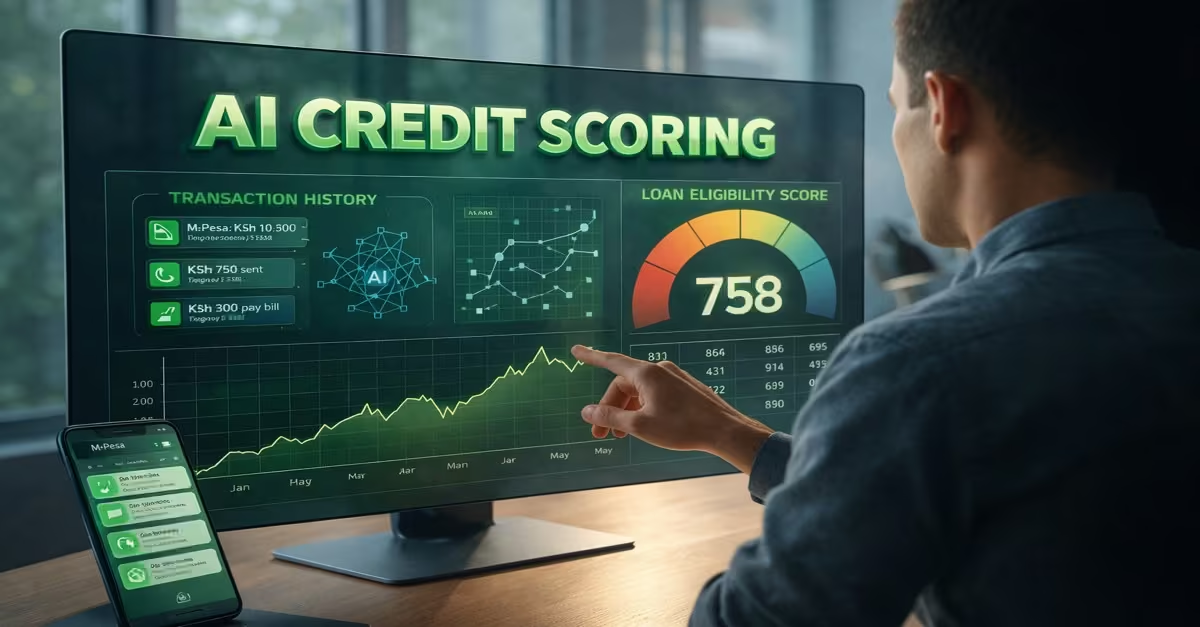
As the world’s population continues to grow, so does the demand for resources. However, the earth’s resources are finite, and if we continue to consume them at our current rate, we will quickly run out. This is why it is essential that we find ways to make our existence on this planet sustainable. Scientists and scholars alike are looking at ways on environmental integration with technology for a sustainable future would make a change and provide solutions to the current environmental challenges.
One way to achieve sustainability is by integrating technology with the environment. There are many ways in which technology can help us to preserve our natural resources and reduce our carbon footprint. For example:
- Renewable Energy: Many countries are investing heavily in renewable energy sources such as wind, solar, and hydroelectric power. These sources of energy do not produce greenhouse gases and are sustainable over the long-term.
- Smart Cities: The development of smart cities is another way in which technology is being integrated with the environment. Smart cities use technology to manage resources such as energy and water more efficiently, reducing waste and increasing sustainability.
- Green Buildings: Buildings are a significant source of carbon emissions. However, with the development of green building technology, it is now possible to construct buildings that generate their own energy and recycle their own waste.
Other ways in which technology can be integrated with the environment include:
- Precision Agriculture: Technology is being used to monitor crops and soil conditions, allowing farmers to use resources more efficiently and reduce waste. This has lead to increased yields and a more sustainable agricultural system.
- Electric Vehicles: The development of electric vehicles is another way in which technology is being integrated with the environment. These vehicles produce fewer emissions than traditional gasoline-powered cars, reducing our carbon footprint and helping to combat climate change.
- Waste Management: Technology has also been used to manage waste more efficiently, reducing the amount of waste that ends up in landfills and incinerators. This has helped to preserve natural resources and reduce greenhouse gas emissions.
As we continue to develop new technologies, it is important that we consider their environmental impact and strive for sustainability in all aspects of our lives. Only by working together can we create a future that is both prosperous and environmentally responsible.
- Water Conservation: Technology can be used to monitor and conserve water resources more efficiently. This includes using sensors to detect leaks and developing irrigation systems that use less water. Conserving water is essential for the sustainability of our planet, as freshwater resources are becoming increasingly scarce.
- Sustainable Materials: The development of sustainable materials is another way in which technology can be integrated with the environment. These materials are made from renewable resources and are designed to have a minimal impact on the environment throughout their life-cycle.
- Carbon Capture: Technology can also be used to capture carbon emissions from power plants and other sources, preventing them from entering the atmosphere and contributing to climate change. This technology is still in its early stages but has the potential to significantly reduce our carbon footprint.
By continuing to integrate technology with the environment, we can create a sustainable future for ourselves and future generations. It is important that we prioritize environmental sustainability in all aspects of our lives, including technological development, if we want to preserve our planet for years to come.
- Sustainable Transportation: Technology can also be used to develop more sustainable transportation systems, such as electric buses and trains, bike-sharing programs, and carpooling apps. By reducing our reliance on fossil fuels and promoting alternative modes of transportation, we can reduce our carbon footprint and improve air quality in cities.

- Circular Economy: The development of a circular economy is another way in which technology can be integrated with the environment. This involves designing products that can be reused, repaired, or recycled at the end of their life cycle, reducing waste and conserving resources.
- Ecosystem Monitoring: Technology can also be used to monitor ecosystems and track changes over time. This information can help us to better understand the impacts of climate change and human activities on our planet’s biodiversity, allowing us to take action to protect endangered species and preserve natural habitats.
As we continue to explore new ways to integrate technology with the environment, it is important that we prioritize sustainability and consider the long-term impacts of our actions. By working together to create a more sustainable future, we can ensure that our planet remains a healthy and vibrant place for generations to come.
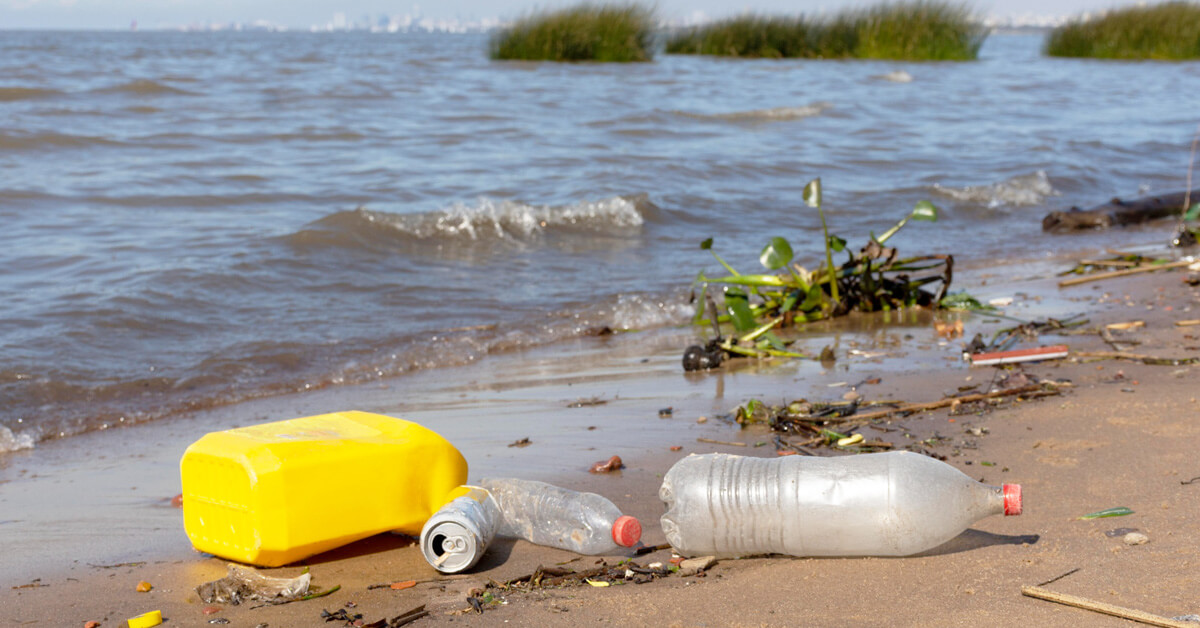
- Sustainable Packaging: Technology can be used to develop sustainable packaging materials that are biodegradable, reducing the amount of plastic waste that ends up in landfills and oceans. This can help to preserve natural resources and reduce pollution.
- Energy Storage: Technology can also be used to develop better energy storage solutions, such as batteries and capacitors, which can help to make renewable energy sources more reliable and efficient.
- Ocean Cleanup: Technology can be used to clean up plastic waste from our oceans, such as using drones and autonomous robots to collect trash and debris. This can help to protect marine life and preserve ocean ecosystems.
- Green Computing: Technology companies can also prioritize sustainability by developing more energy-efficient computers and data centers, reducing their carbon footprint and promoting environmental responsibility.
- Sustainable Fashion: Technology can be used to develop sustainable fashion materials, such as fabrics made from recycled plastics or organic cotton. This can help to reduce the environmental impact of the fashion industry, which is one of the largest polluters in the world.
- Food Waste Reduction: Technology can also be used to reduce food waste by developing better storage solutions, improving supply chain logistics, and creating apps that connect consumers with surplus food from restaurants and grocery stores.
By continuing to explore new ways in which technology can be integrated with the environment, we can create a more sustainable future for ourselves and future generations. It is important that we prioritize sustainability in all aspects of our lives, including technological development, if we want to preserve our planet for years to come.
- Green Chemistry: Technology can be used to develop more sustainable chemical processes and materials, reducing the use of toxic chemicals and minimizing waste. This can help to protect human health and the environment while promoting innovation in the chemical industry.
- Biodiversity Conservation: Technology can also be used to monitor and conserve biodiversity, such as using satellite imagery and remote sensing to track changes in ecosystems. This can help us to better understand the impacts of climate change and human activities on our planet’s biodiversity, allowing us to take action to protect endangered species and preserve natural habitats.
- Urban Agriculture: Technology can be used to support urban agriculture, such as developing vertical farming systems that use less water and energy than traditional agriculture methods. This can help to reduce food waste, promote local food production, and improve access to fresh produce in urban areas.
- Sustainable Tourism: Technology can also be used to promote sustainable tourism practices, such as developing eco-friendly hotels and resorts that use renewable energy sources and minimize waste. This can help to reduce the environmental impact of tourism while supporting local economies.
- Environmental Education: Technology can be used to educate people about environmental issues and promote sustainable behaviors, such as through online courses, mobile apps, and virtual reality experiences. This can help to raise awareness about the importance of sustainability and inspire individuals to take action in their daily lives.