The rollout of 5G technology is not just an incremental upgrade; it is a monumental leap forward that is set to reshape the landscape of technology and connectivity. The fusion of 5G and the Internet of Things (IoT) will revolutionize the way machines interact with each other and with us. In this article, 5G and IoT: how machines will change with superfast internet, we delve into the profound changes we can expect in various sectors as machines become more intelligent, responsive, and interconnected, thanks to the superfast internet that 5G promises.
The Power of 5G: What It Means for IoT
To understand the impact of 5G on IoT, it’s essential first to grasp the technical advantages that 5G offers over its predecessors. 5G, or fifth-generation wireless technology, is designed to deliver data speeds up to 100 times faster than 4G LTE. But it’s not just about speed; 5G also drastically reduces latency—the time it takes for data to travel from one point to another—down to just one millisecond. This near-instantaneous communication is crucial for applications where timing is critical, such as autonomous vehicles and real-time remote surgeries.
Another significant aspect of 5G is its ability to handle a vastly larger number of connected devices simultaneously. Current networks struggle under the load of billions of devices, often leading to congestion and slower speeds. 5G, with its increased bandwidth, can support up to a million devices per square kilometer. This makes it ideal for densely populated areas or environments with a high concentration of IoT devices, such as smart factories and urban centers.
The implications for IoT are profound. With 5G, IoT devices will be able to transmit and receive data almost instantly, enabling real-time analytics and decision-making. This will unlock new possibilities in automation, monitoring, and control, driving the next wave of innovation across various industries.

Smart Cities: Enhanced Connectivity and Efficiency
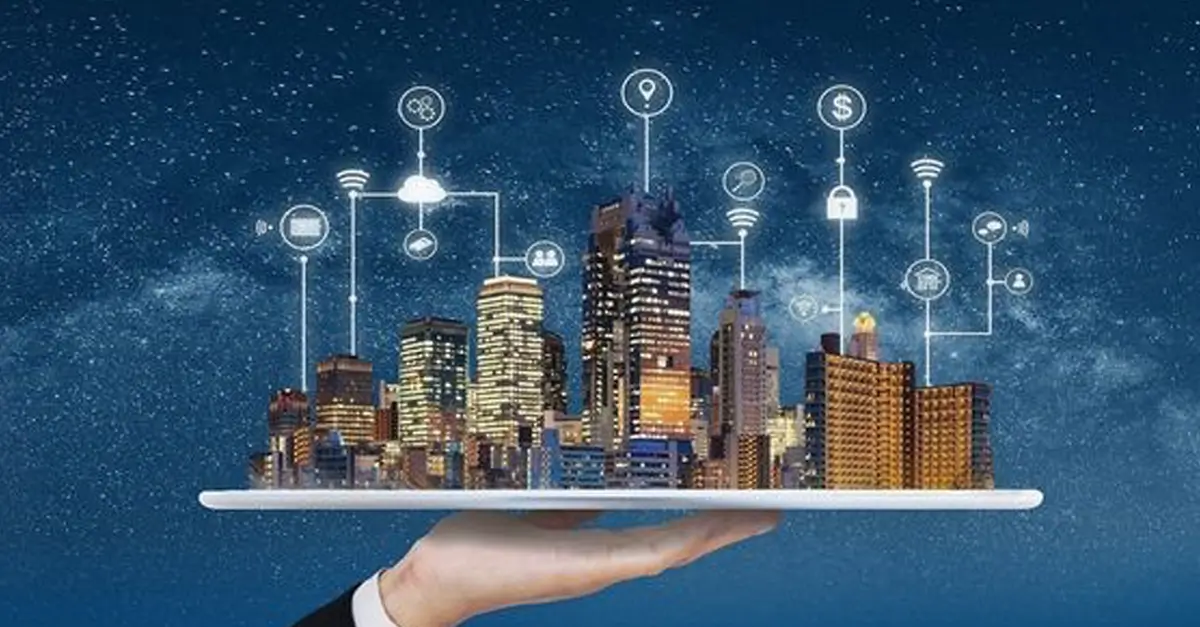
The concept of smart cities has been around for a while, but 5G will turn this concept into a reality by providing the infrastructure needed for true interconnectedness. Smart cities rely on a network of sensors, cameras, and other IoT devices to monitor and manage various aspects of urban life, from traffic flow to energy usage. However, the effectiveness of these systems has been limited by the constraints of existing networks, which can struggle with the sheer volume of data being generated.
With 5G, these limitations will be a thing of the past. The high-speed, low-latency nature of 5G will enable the real-time processing of data from millions of sensors across the city. For example, traffic lights could adjust dynamically based on the current traffic flow, reducing congestion and emissions. Similarly, smart grids could optimize energy distribution in real-time, balancing supply and demand more efficiently and reducing waste.
Public safety will also see significant improvements in smart cities powered by 5G. Surveillance systems can analyze video feeds in real-time, detecting unusual activity or potential threats and alerting authorities immediately. Emergency services will be able to respond more quickly and effectively, guided by real-time data from IoT devices scattered across the city.
Moreover, 5G will facilitate the development of new applications that improve the quality of life for city dwellers. Augmented reality (AR) and virtual reality (VR) applications could be used for urban planning, allowing planners and citizens to visualize proposed developments before they are built. Smart parking systems could guide drivers to available parking spots in real-time, reducing the time and frustration of finding a place to park.
The benefits of smart cities are not just limited to efficiency and convenience; they also contribute to sustainability. By optimizing resource usage and reducing waste, smart cities can significantly lower their carbon footprint, contributing to global efforts to combat climate change.
Autonomous Vehicles: Driving into the Future
Autonomous vehicles (AVs) are often cited as one of the most promising applications of 5G technology, and for good reason. The key challenge in developing fully autonomous vehicles is ensuring they can make safe, split-second decisions based on a vast amount of data from sensors, cameras, and other vehicles. This requires a communication network that is fast, reliable, and capable of handling large volumes of data with minimal delay.
4G networks, while sufficient for many current applications, fall short in meeting the stringent requirements of autonomous vehicles. The latency in 4G networks can be as high as 50 milliseconds—an eternity in situations where a vehicle needs to react instantly to avoid a collision. 5G, with its latency of just one millisecond, changes the game. It allows vehicles to communicate with each other and with traffic infrastructure in real-time, sharing information about road conditions, traffic flow, and potential hazards.
This real-time communication, known as Vehicle-to-Everything (V2X) communication, is critical for the safe and efficient operation of autonomous vehicles. With V2X, vehicles can “see” around corners, anticipate the actions of other road users, and adjust their behavior accordingly. This reduces the risk of accidents and improves traffic flow, leading to safer and more efficient roads.
In addition to safety, 5G will also enhance the overall driving experience in autonomous vehicles. Passengers will be able to enjoy high-speed internet access, enabling seamless streaming of entertainment, video conferencing, or even working remotely while on the move. The vehicle’s infotainment system could adapt in real-time to the preferences of the occupants, providing personalized recommendations for music, movies, or nearby attractions.
The logistics and transportation industries will also see significant benefits from 5G-enabled autonomous vehicles. Fleets of autonomous trucks can operate more efficiently, with real-time optimization of routes based on traffic and weather conditions. This will lead to faster delivery times, reduced fuel consumption, and lower operating costs. Furthermore, the ability to monitor the health and performance of each vehicle in real-time will reduce downtime and maintenance costs, improving overall fleet management.
Industrial Automation: Revolutionizing Manufacturing
The manufacturing sector has long been at the forefront of automation, with robots and machines taking over tasks that are repetitive, dangerous, or require high precision. However, the full potential of industrial automation has been hampered by the limitations of existing communication networks. Machines need to communicate with each other and with central control systems to coordinate their actions, but delays in data transmission can lead to inefficiencies, errors, or even accidents.
5G is set to revolutionize industrial automation by providing the fast, reliable, and high-capacity communication network that modern factories need. With 5G, machines can exchange data in real-time, enabling more sophisticated coordination and control. For example, in a production line, robots could work together seamlessly, adjusting their actions based on real-time feedback from sensors and cameras. This would lead to higher precision, faster production times, and reduced waste.
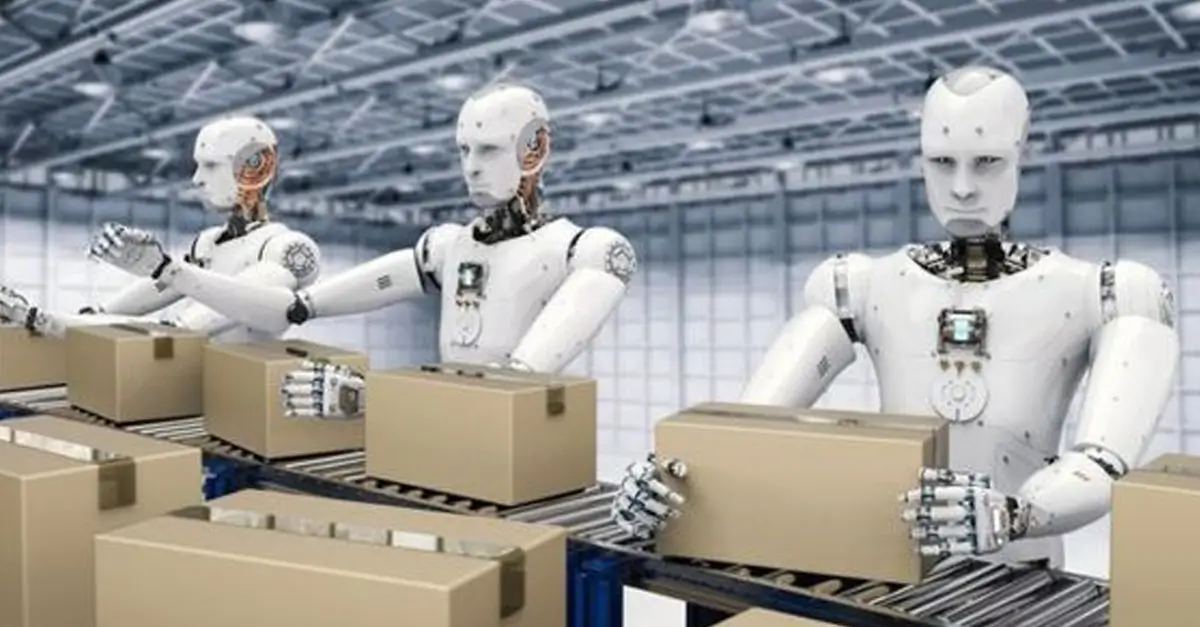
Predictive maintenance is another area where 5G will have a significant impact. Currently, many factories rely on scheduled maintenance, which can lead to unnecessary downtime or unexpected breakdowns. With 5G, IoT devices can continuously monitor the health of machines, detecting signs of wear or potential failure before they become critical. This data can be analyzed in real-time, allowing maintenance to be carried out exactly when needed, minimizing downtime and reducing maintenance costs.
5G will also enable new levels of flexibility in manufacturing. Traditionally, production lines are designed to produce large quantities of a single product, with significant time and cost involved in retooling for a different product. With 5G, factories can become more agile, with machines reconfiguring themselves in real-time to produce different products or accommodate changes in demand. This will lead to the rise of “smart factories,” where production can be quickly and easily adapted to market needs.
Moreover, the integration of 5G and IoT will enable better supply chain management. Real-time tracking of materials, components, and finished products will allow manufacturers to optimize inventory levels, reduce lead times, and improve overall efficiency. This will also enhance transparency, allowing manufacturers to provide customers with accurate information about the status of their orders.
Healthcare: Transforming Patient Care
The healthcare sector stands to benefit enormously from the integration of 5G and IoT, with the potential to transform patient care and improve outcomes on a global scale. One of the most exciting applications of 5G in healthcare is the possibility of remote surgeries, where a surgeon can operate on a patient from a different location using robotic tools. This requires extremely low latency and high reliability, both of which are delivered by 5G. With this technology, patients in remote or underserved areas could receive expert surgical care without the need to travel to a specialized facility.
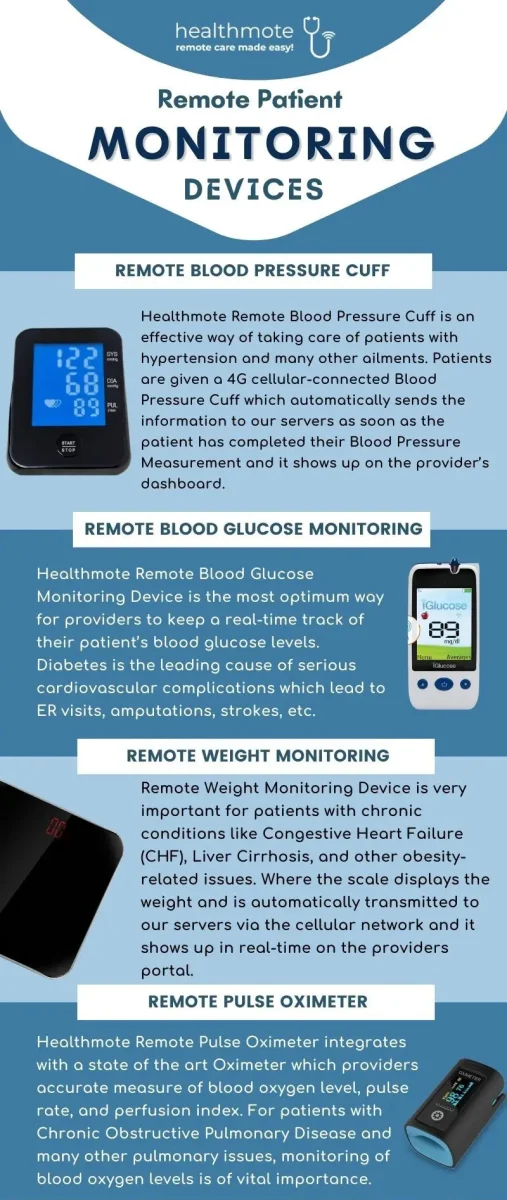
Telemedicine is another area where 5G will have a significant impact. With faster and more reliable internet connections, doctors can conduct high-quality video consultations with patients, even in rural or remote locations. This will make healthcare more accessible, particularly for those who may have difficulty traveling to a clinic or hospital. In addition to consultations, 5G will enable the real-time transmission of medical data, such as MRI scans or lab results, allowing for faster diagnosis and treatment. Wearable devices, which are becoming increasingly popular for monitoring health and fitness, will also benefit from 5G. These devices can continuously monitor vital signs such as heart rate, blood pressure, and glucose levels, transmitting the data in real-time to healthcare providers. With 5G, the data can be analyzed instantly, and any concerning trends can trigger immediate alerts, enabling faster interventions. For example, if a patient’s heart rate suddenly spikes, their doctor could be notified instantly and take appropriate action, potentially saving lives.
5G will also enhance the capabilities of AI in healthcare. AI algorithms can analyze vast amounts of data to identify patterns or predict outcomes, such as the likelihood of a patient developing a particular condition. With the real-time data provided by 5G-connected IoT devices, AI can make more accurate predictions and provide more personalized treatment recommendations. This will lead to more effective treatments, better patient outcomes, and a more efficient healthcare system.
Finally, 5G will enable better coordination and communication between different healthcare providers. In many cases, patients receive care from multiple providers, such as doctors, specialists, and therapists, who may be located in different facilities. 5G will allow these providers to share information and collaborate in real-time, ensuring that the patient receives coordinated and consistent care.
Conclusion: A Connected Future
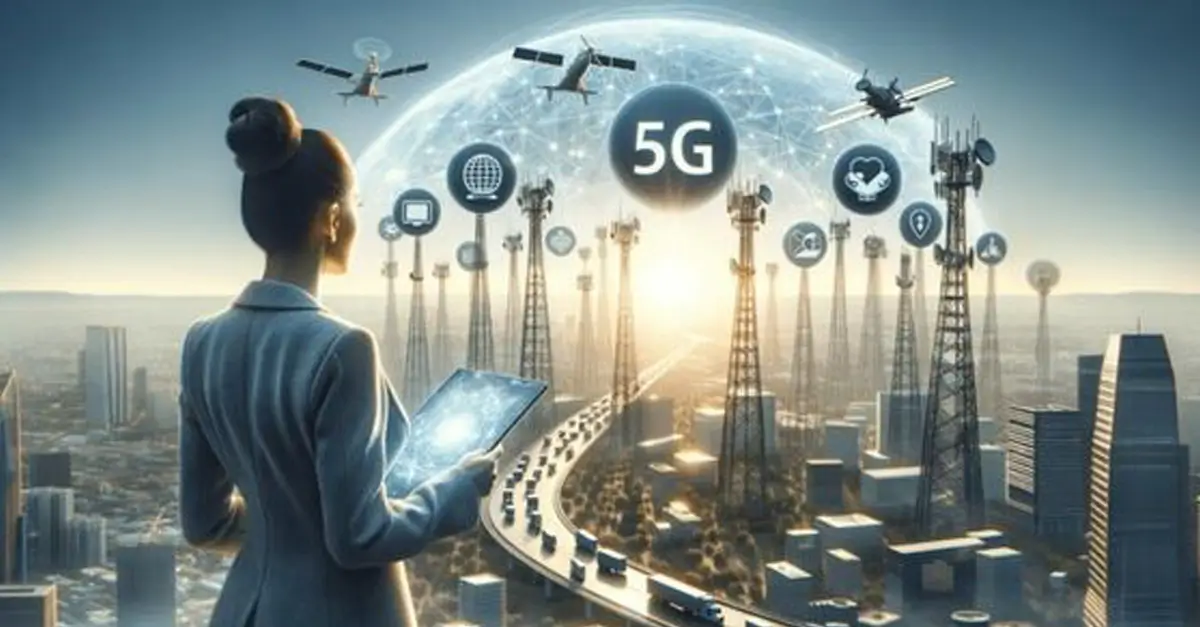
The fusion of 5G and IoT is poised to usher in a new era of connectivity, transforming the way machines operate and interact with each other and with us. The impact of this superfast internet will be felt across multiple sectors, from smart cities and autonomous vehicles to industrial automation and healthcare. As these technologies continue to evolve, they will unlock new possibilities, making our lives more efficient, safer, and interconnected.
However, as we embrace this connected future, it is also important to consider the challenges that come with it. Issues such as cybersecurity, data privacy, and the digital divide must be addressed to ensure that the benefits of 5G and IoT are realized by everyone, not just a select few. By tackling these challenges head-on, we can harness the full potential of 5G and IoT, creating a future where technology serves as a force for good, driving progress and improving the quality of life for people around the world.
In conclusion, the combination of 5G and IoT represents a paradigm shift in how machines communicate and operate, leading to a more connected, efficient, and intelligent world. The possibilities are endless, and the future is bright as we stand on the brink of this technological revolution. The journey ahead is exciting, and as 5G becomes more widely adopted, we can look forward to a world where machines are smarter, cities are more efficient, and healthcare is more accessible, all thanks to the power of superfast internet.