In today’s digital landscape, securing corporate networks against unauthorized access is a top priority for enterprises. One potential threat that often sparks concern is the presence of rogue access points on the Local Area Network (LAN). The fear that employees might bring unauthorized access points from home and connect them to the company’s wired network raises important questions about network security. How concerned should you be about rogue access points on your LAN? However, how realistic is this threat in the modern workplace? This article explores the dangers of rogue access points, detection methods, compliance requirements, and why this fear may be exaggerated.
Understanding Rogue Access Points
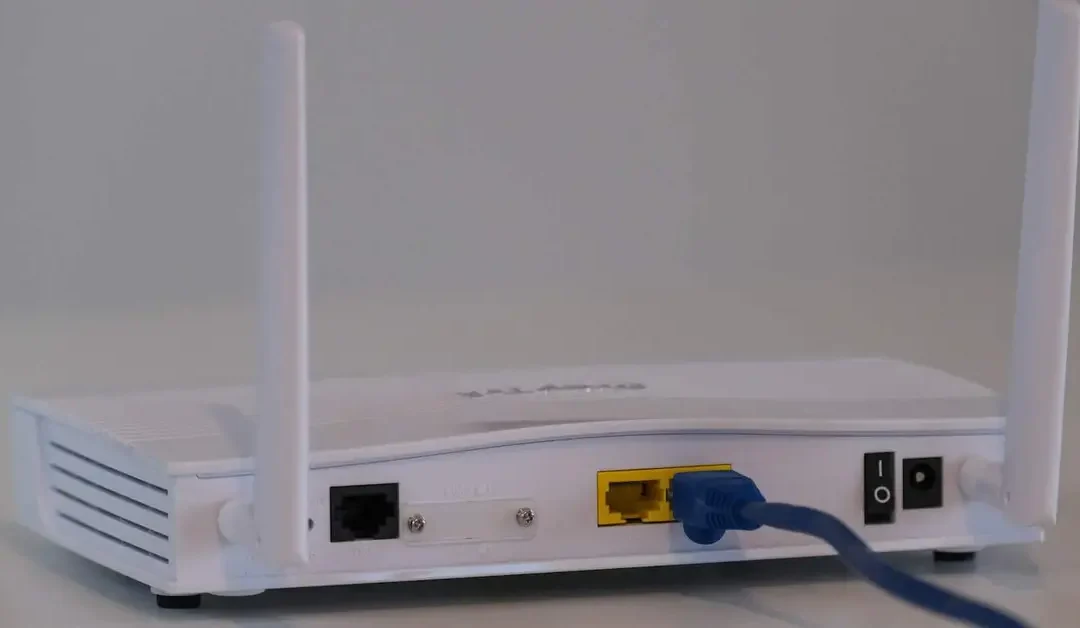
A wireless access point (WAP) or just access point, is a networking device that allows wireless-capable devices to connect to a wired network.
Rogue access points on your LAN are any wireless access devices installed on a network without explicit authorization from the IT department. These devices can either be maliciously planted by an outsider to gain unauthorized access or unknowingly installed by employees seeking a wireless connection for convenience. Once connected, rogue access points pose significant security risks, including data breaches, unauthorized data interception, and network vulnerabilities.
How Rogue Access Points Are Installed
Rogue access points are typically installed when someone plugs a wireless router or access point into an open Ethernet port on the company LAN. This can happen for various reasons, such as an employee wanting better Wi-Fi coverage or bypassing security restrictions. The access point creates a new wireless network that can potentially allow unauthorized devices to connect to the corporate infrastructure, bypassing security protocols and encryption measures.
However, the likelihood of this happening has significantly decreased in recent years. With the widespread availability of mobile hotspots and smartphone tethering options, employees seeking unfiltered internet access are more likely to use their own devices rather than setting up unauthorized access points.
Security Risks Posed by Rogue Access Points on Your LAN
The primary danger of rogue access points is that they create an unsecured gateway into the corporate network. Key risks include:
- Data Interception: Unauthorized users could intercept sensitive company data transmitted over the rogue network.
- Network Compromise: Attackers may use rogue access points to inject malware into the network, potentially compromising critical business systems.
- Bypassing Security Policies: Rogue access points can allow users to bypass content filters, firewalls, and other security measures implemented by the organization.
- Weak Encryption: If the rogue access point is configured with weak or no encryption, it becomes an easy target for hackers looking to exploit network vulnerabilities.
Detection Methods
Many wireless network vendors provide tools to detect and mitigate rogue access points. Cisco’s Wireless Control System (WCS) uses the Rogue Location Discovery Protocol (RLDP) to identify unauthorized devices on the wired LAN. However, RLDP has its limitations, primarily because it requires manual intervention to initiate scans for each detected rogue SSID. This manual process makes it difficult to continuously monitor for rogue access points, especially in large enterprises.
Automated rogue detection systems would significantly improve security, but many existing solutions still rely heavily on manual processes. Advanced systems using machine learning and AI are gradually improving the efficiency of rogue access point detection, but these technologies are not yet widely implemented.
Compliance and Regulatory Requirements
For organizations operating within regulated industries, the presence of rogue access points is not just a security risk but also a compliance issue. The Payment Card Industry Data Security Standard (PCI DSS) version 1.2 mandates strict security measures for wireless networks within Cardholder Data Environments (CDE). These requirements include:
- Changing default wireless settings (passwords, SSIDs, and encryption keys).
- Implementing strong encryption methods such as WPA3.
- Regularly scanning for rogue wireless devices.
- Restricting physical access to network hardware.
- Logging and monitoring wireless activity.
- Defining clear wireless usage policies.
Non-compliance with PCI DSS can result in hefty fines, reputational damage, and potential loss of business partnerships. For organizations subject to these regulations, regularly scanning for rogue access points is a mandatory process, regardless of how unlikely the threat may seem.
The Changing Landscape of Wireless Access
The rise of personal mobile hotspots and smartphone tethering has fundamentally changed how employees access unfiltered internet connections. Portable hotspot devices like MiFi, Clear, and Cradlepoint provide secure, independent Wi-Fi networks without the need to physically connect to the company LAN. Additionally, most smartphones now come with built-in hotspot functionality, allowing users to bypass corporate network restrictions entirely.
As a result, the traditional fear of employees bringing rogue access points from home is becoming increasingly outdated. Modern employees are more likely to rely on their personal devices for internet access, rather than going through the trouble of setting up unauthorized wireless networks.
Physical Security: The First Line of Defense
While rogue access points pose a potential threat, physical security remains the first and most crucial layer of defense. Enterprises should implement strict policies to control access to Ethernet ports, server rooms, and networking hardware. Physical security measures such as locked server cabinets, security cameras, and badge-based access systems can significantly reduce the risk of unauthorized devices being connected to the network.
Best Practices for Preventing Rogue Access Points
To mitigate the risk of rogue access points, organizations should adopt the following best practices:
- Network Access Control (NAC): Implement NAC solutions to automatically detect and block unauthorized devices.
- Regular Audits: Conduct routine network scans to identify unauthorized access points.
- Employee Education: Raise awareness among employees about the security risks of unauthorized devices.
- Access Port Security: Disable unused Ethernet ports and restrict access to active ones.
- Wireless Intrusion Detection Systems (WIDS): Deploy WIDS to continuously monitor the wireless environment.
- Policy Enforcement: Establish clear policies regarding the installation and use of wireless devices in the workplace.
The Future of Wireless Security
Advancements in wireless security technologies are making it easier to detect and mitigate rogue access points. AI-powered detection systems, automated security protocols, and zero-trust network architectures are expected to become more prevalent in the coming years. These innovations will help enterprises maintain more robust security postures without relying heavily on manual processes.
Additionally, the continued adoption of cloud-based network management platforms will further enhance the ability to monitor and control wireless networks remotely. These platforms provide centralized visibility into both wired and wireless network activity, making it easier to detect and respond to rogue access points in real-time.
Conclusion
The fear of rogue access points being physically connected to corporate LANs is becoming less relevant in today’s wireless landscape. While unauthorized access points still pose security risks, the widespread availability of personal hotspots and smartphone tethering has made this threat less common. For organizations that require PCI compliance, regular manual scans are still necessary to meet regulatory requirements. However, for most enterprises, the focus should shift toward educating employees, securing physical network infrastructure, and adopting advanced detection technologies.
By combining physical security, employee education, and modern detection methods, enterprises can significantly reduce the likelihood of rogue access points compromising their networks. As wireless security technologies continue to evolve, the risk of unauthorized wireless devices will become even more manageable.