
The rapid expansion of big data has revolutionized numerous industries, offering unprecedented insights and innovations. However, this surge also raises significant ethical and privacy concerns that warrant thorough examination. This article delves into the multifaceted ethical landscape of big data and privacy concerns, exploring key issues, real-world examples, and potential solutions to balance innovation with individual rights.
Introduction to Big Data Ethics
Big data refers to the massive volumes of structured and unstructured information generated at high speed from various digital and non-digital sources, such as social media, mobile devices, online transactions, sensors, and even traditional databases. With the explosion of technology and the increasing digitization of nearly every aspect of life, the collection and analysis of data have become central to decision-making in sectors such as healthcare, education, finance, marketing, transportation, and governance.
The use of big data has led to transformative changes, including improved customer experiences, predictive analytics, smarter supply chains, more personalized healthcare, and data-driven policy making. However, alongside these benefits comes a range of ethical challenges and privacy concerns that cannot be ignored. As organizations leverage big data to gain insights and drive innovation, they also bear the responsibility of ensuring that their data practices do not infringe on individuals’ rights and freedoms.
Some of the most pressing ethical concerns include the lack of informed consent in data collection, the potential for surveillance and profiling, breaches of data security, issues around data ownership, and algorithmic bias. For instance, many individuals are unaware of how much of their personal information is being harvested and how it is being used—often without explicit permission. Moreover, data breaches can expose sensitive information, leading to identity theft or other forms of harm.
There is also the risk of discriminatory outcomes when biased data sets are used to train machine learning models, resulting in unfair treatment in areas such as hiring, lending, or law enforcement. Addressing these challenges requires a robust ethical framework, including transparency, accountability, fairness, and respect for individual autonomy. As big data continues to evolve, it is imperative for policymakers, technologists, and organizations to collaborate in creating guidelines and regulations that uphold ethical principles while supporting innovation.
A. Privacy Concerns in Big Data
The rise of big data has brought to the forefront a multitude of privacy issues that require critical ethical and regulatory scrutiny. As data collection becomes more ubiquitous and complex, concerns over how personal information is gathered, processed, stored, and shared have intensified. Individuals often lack awareness or control over the digital footprints they leave behind, making it essential to reevaluate how privacy is protected in a data-driven society.
B. Informed Consent and Autonomy
In the realm of big data, obtaining informed consent has become increasingly complicated. Users frequently agree to lengthy and complex terms of service without fully understanding the scope of data collection involved. Moreover, data is often repurposed for uses beyond what was originally disclosed, undermining the principle of informed consent. This lack of transparency significantly erodes individual autonomy and raises concerns about ethical data usage. A well-known example is the Facebook–Cambridge Analytica data scandal, in which personal data of over 87 million users was harvested without proper consent and used for political profiling during the 2016 U.S. presidential election. The fallout from this incident not only triggered legal action but also sparked a global debate about digital privacy and accountability.
C. Data Security and Breaches
The massive volume of data being collected increases the risk of data breaches, where sensitive personal information can be exposed to malicious actors. These breaches can result in severe consequences, including identity theft, financial fraud, and reputational damage. High-profile incidents such as the Equifax breach in 2017, which exposed the data of over 147 million individuals, underscore the need for stringent security protocols (https://www.ftc.gov/news-events/news/press-releases/2019/07/equifax-pay-575-million). Ethical responsibility in big data goes beyond regulatory compliance; organizations must actively commit to protecting user data through encryption, access controls, and continuous risk assessments.
D. Surveillance and Monitoring
Big data analytics is increasingly used for surveillance by governments and corporations under the guise of enhancing security and efficiency. While some level of monitoring is justified for public safety, excessive or covert surveillance can infringe on civil liberties and create a climate of distrust. Programs such as the U.S. PRISM surveillance program revealed by Edward Snowden exemplify how mass data collection can be misused to monitor citizens without their knowledge or consent. This tension between national security and individual privacy highlights the need for clear policies, transparency, and independent oversight to ensure ethical boundaries are not crossed.
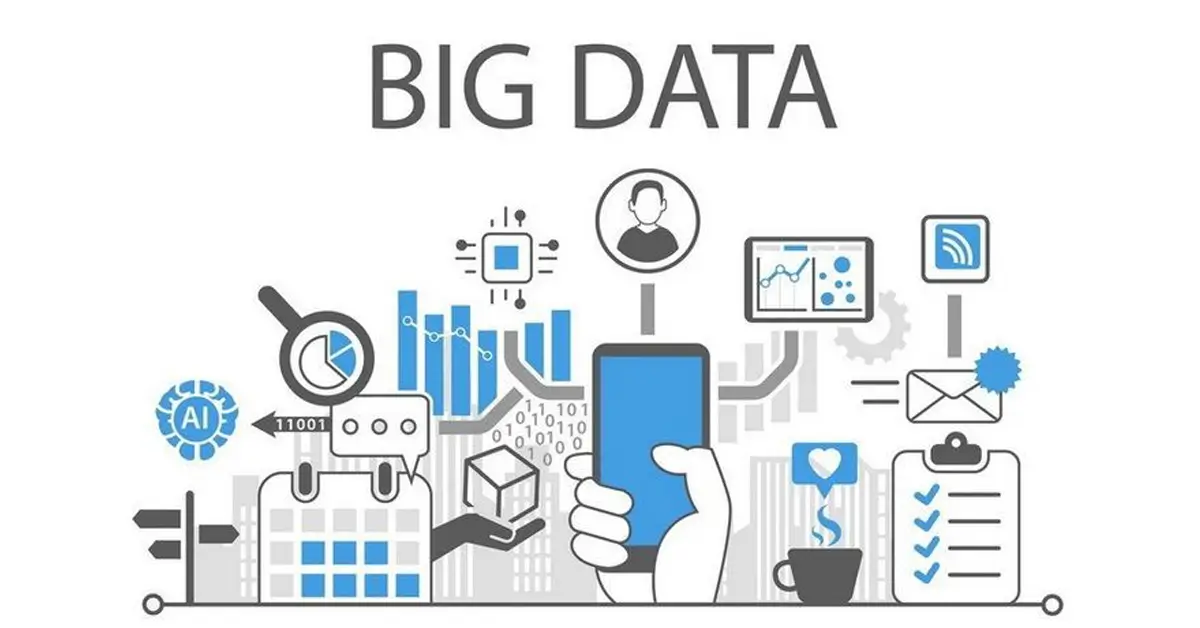
Ethical Challenges in Big Data Analytics
1. Algorithmic Bias and Discrimination
In the era of big data, algorithms are increasingly being used to make decisions that affect people’s lives—from hiring and credit scoring to criminal justice and healthcare. However, these algorithms are only as unbiased as the data they are trained on. When datasets reflect existing societal inequalities—such as racial, gender, or economic disparities—the algorithms built on them can perpetuate and even amplify those biases. This is known as algorithmic bias.
A notable example is the use of predictive policing tools, which have come under fire for disproportionately targeting minority communities. These tools rely on historical crime data, which may already be skewed due to over-policing in certain neighborhoods. As a result, the algorithm reinforces the cycle of surveillance and policing in those areas, increasing the likelihood of discrimination.
To address these issues, continuous monitoring and auditing of algorithms are essential. Bias mitigation strategies—such as diverse data sets, fairness-aware machine learning models, and the inclusion of ethicists in development teams—can help ensure more equitable outcomes.
2. Transparency and Accountability
One of the major ethical concerns surrounding big data and AI is the lack of transparency in how automated systems operate. Many algorithms function as “black boxes,” meaning their decision-making processes are not easily understood—even by their developers. This opacity creates barriers to accountability, particularly when algorithmic decisions negatively impact individuals.
For instance, if an applicant is denied a loan or a job based on an algorithm’s output, they may not have a clear way to challenge or even understand the decision. This lack of explainability undermines trust in automated systems. Establishing mechanisms for algorithmic transparency and recourse is critical to maintaining public trust and adhering to ethical standards.
3. Data Ownership and Control
Another pressing ethical issue in big data is determining who owns and controls personal data. Although individuals generate data through their online behaviors and digital interactions, they often unwittingly relinquish ownership to corporations through vague consent agreements. This imbalance of power leads to exploitation and a lack of agency over one’s own information.
Empowering users with greater control over their data involves redefining consent mechanisms, offering opt-in rather than opt-out models, and ensuring users can access, modify, or delete their data. Ethical data practices should prioritize individual rights and autonomy, as emphasized in recent research on digital ethics.
Case Studies Highlighting Ethical Dilemmas
A. The Facebook–Cambridge Analytica Scandal

In the mid-2010s, a significant data privacy controversy emerged involving Facebook and the British consulting firm Cambridge Analytica. This incident underscored the vulnerabilities in data protection practices and highlighted the potential for misuse of personal information in political arenas.
The core of the scandal revolved around the unauthorized collection of personal data from millions of Facebook users. In 2013, data scientist Aleksandr Kogan, through his company Global Science Research (GSR), developed an app named “This Is Your Digital Life.” This application presented itself as a personality quiz, enticing users to participate by offering insights into their psychological profiles. Unbeknownst to many, the app not only gathered data from the individuals who installed it but also harvested information from their Facebook friends via the platform’s Open Graph API. This expansive data collection mechanism resulted in the accumulation of personal details from up to 87 million profiles without explicit consent.
Cambridge Analytica utilized this vast dataset to support political campaigns, notably those of Ted Cruz and Donald Trump during the 2016 U.S. presidential election. By analyzing the harvested data, the firm aimed to craft psychographic profiles of voters, enabling the delivery of highly targeted political advertisements and messages. This strategy sought to influence voter behavior by tailoring content to individual psychological predispositions.
Beyond U.S. politics, Cambridge Analytica faced allegations of involvement in the Brexit referendum. However, official investigations concluded that the company’s participation was minimal, stating that beyond initial inquiries, no significant breaches occurred in this context.
The revelation of these practices sparked widespread public outcry and led to intense scrutiny of Facebook’s data handling policies. Critics argued that the platform’s lax data-sharing protocols allowed third-party developers excessive access to user information, compromising individual privacy. In response, Facebook implemented several measures to enhance data protection, including restricting third-party access to user data and increasing transparency in data practices. Despite these efforts, the incident served as a catalyst for global discussions on digital privacy, user consent, and the ethical responsibilities of tech companies in safeguarding personal information.
B. Genetic Data and AI: The 23andMe Case
The intersection of genetic data and artificial intelligence (AI) has opened new frontiers in personalized medicine and research. However, recent events involving 23andMe, a prominent genetic testing company, have raised significant ethical and privacy concerns regarding the handling of sensitive genetic information.
In early 2025, 23andMe filed for Chapter 11 bankruptcy, a development that placed the genetic data of approximately 15 million users in a precarious position. The company’s extensive database, containing detailed genetic profiles, became a potentially valuable asset in bankruptcy proceedings. Experts highlighted that such high-quality datasets are highly sought after by AI companies aiming to train advanced models, particularly in fields like medical research and personalized treatment. Major tech entities, including Google and OpenAI, were speculated to have interest in acquiring this data, despite the associated reputational and ethical risks.
The potential sale of genetic data raised alarms among privacy advocates and consumers alike. Genetic information is inherently personal and immutable; once exposed, individuals cannot change their genetic makeup, making unauthorized access or misuse particularly concerning. The ethical implications extend beyond privacy, encompassing potential discrimination in employment, insurance, and financial sectors due to AI biases. For instance, if genetic data indicating predispositions to certain health conditions were accessible to insurers or employers, it could lead to unfair treatment or discrimination.
Compounding these concerns was a significant data breach in 2023, where 23andMe reported that personal information of approximately 6.9 million users had been compromised. This breach exposed sensitive details, including genetic profiles, ancestry information, and personal identifiers, further eroding public trust in the company’s data protection measures.
In response to the bankruptcy and potential data sale, various stakeholders took action. California’s Attorney General advised affected users to request the deletion of their data from 23andMe’s databases to mitigate potential misuse. Additionally, lawmakers in Pennsylvania proposed the Genetic Materials Privacy and Compensation Act, aiming to ensure individuals retain ownership of their DNA and receive compensation if companies profit from their genetic data. This legislative effort underscores the need for robust legal frameworks to protect consumers in the rapidly evolving landscape of genetic data utilization.
The 23andMe case serves as a stark reminder of the vulnerabilities associated with storing and monetizing genetic information. It highlights the pressing need for comprehensive regulations that address consent, data security, and the ethical implications of using genetic data in AI development and other applications.
Regulatory and Legal Frameworks
In light of escalating concerns over data privacy and ethical data usage, governments and international bodies have established regulations to safeguard individuals’ personal information. Two landmark legislations in this domain are the European Union’s General Data Protection Regulation (GDPR) and the California Consumer Privacy Act (CCPA).
General Data Protection Regulation (GDPR)

Enforced in May 2018, the GDPR represents a comprehensive framework aimed at enhancing data protection for individuals within the European Union (EU). Key principles of the GDPR include:
- User Consent: Organizations must obtain clear and explicit consent from individuals before collecting or processing their personal data. Consent requests must be presented in an intelligible and easily accessible form, using clear language.
- Data Minimization: Entities are required to collect only the data that is necessary for the specified purpose, ensuring that excessive or irrelevant information is not gathered.
Conclusion
The ethical challenges posed by big data and artificial intelligence are complex and multifaceted, touching on critical issues of privacy, consent, transparency, and accountability. As seen in the Facebook–Cambridge Analytica scandal, the misuse of personal data can have far-reaching political and societal consequences. The scandal underscored the dangers of inadequate consent mechanisms and the opaque data practices of powerful tech platforms. Similarly, the 23andMe case highlights the heightened risks associated with sensitive genetic data, especially when companies storing such information face financial instability or data breaches. These incidents illustrate how personal information, when poorly governed, can become a commodity exploited for commercial or political gain—often without the knowledge or approval of the individuals it belongs to.
While legal frameworks such as the GDPR and CCPA offer a strong foundation for ethical data governance, the rapid pace of technological advancement presents ongoing challenges to enforcement and adaptation. These regulations strive to empower users through informed consent, data minimization, and the right to control their personal data. However, as AI capabilities continue to expand and datasets grow increasingly valuable, the need for stronger safeguards and global cooperation becomes even more urgent.
To move forward ethically, both corporations and policymakers must prioritize user-centric data practices. This includes ensuring algorithmic transparency, implementing bias mitigation strategies, and enhancing data security. Furthermore, there must be mechanisms for individuals to contest and understand automated decisions that affect their lives.
Ultimately, safeguarding ethical standards in the age of big data and AI requires a balanced approach—one that fosters innovation while upholding the fundamental rights and dignity of individuals. By learning from past failures and strengthening governance frameworks, society can better navigate the intersection of technology and ethics in an increasingly data-driven world.
References
- Culotta, A. (2021). Ethical implications of algorithmic bias in big data. ACM Queue.
- European Commission. (2018). General Data Protection Regulation (GDPR).
- Harvard Business Review. (2018). The challenge of transparency in AI systems.
- Isaak, J., & Hanna, M. J. (2018). User data privacy: Facebook, Cambridge Analytica, and privacy protection. Computer, 51(8), 56–59.
- Kleinberg, J., Mullainathan, S., & Raghavan, M. (2017). Inherent trade-offs in algorithmic fairness. NBER Working Paper No. 24692.
- Lomas, N. (2023, October 30). 23andMe confirms hacker stole ancestry data on 6.9M users. TechCrunch.
- Mittelstadt, B. D., Allo, P., Taddeo, M., Wachter, S., & Floridi, L. (2016). The ethics of algorithms: Mapping the debate. Big Data & Society, 3(2), 1–21.
- O’Flaherty, K. (2024, February 21). Google, OpenAI may want to buy 23andMe data, experts say—despite huge ethical concerns. Forbes.
- SpringerLink. (2021). Ownership and control in big data: Ethical considerations.
- Tufekci, Z. (2015). Algorithmic harms beyond Facebook and Google: Emergent challenges of computational agency. Colorado Technology Law Journal, 13, 203–218.
- U.S. Department of Justice. (2020). California Consumer Privacy Act (CCPA).