Biometric technology has evolved significantly over the past few decades, and it is rapidly becoming an essential part of everyday life. The ability to accurately and securely identify individuals based on their unique physical or behavioral traits has transformed the way businesses, governments, and individuals interact with technology. From the introduction of fingerprint scanners in law enforcement to the widespread use of facial recognition in smartphones, biometrics has permeated numerous sectors.
At its core, biometric technology provides a means of automating identity verification, often in real-time, making it far more convenient and secure than traditional methods like passwords or PINs. Passwords can be forgotten, stolen, or guessed, while biometric data is unique to every individual, making it much harder to forge or steal. Biometric systems have a range of applications, including security, healthcare, banking, and access control, and they have made significant improvements in the accuracy and convenience of identity verification.
This blog explores biometric technology, its types, applications, benefits, challenges, and ethical considerations. It delves into how this technology is changing industries and impacting our daily lives. Through this comprehensive examination, we aim to understand both the current capabilities of biometric systems and the potential for their future use.
Types of Biometric Technology
Biometric systems can be categorized into two main types: physiological biometrics and behavioral biometrics. Both types rely on different methods to measure and analyze unique human traits, making it possible to authenticate individuals with a high degree of accuracy.
1. Physiological Biometrics
Physiological biometrics are based on physical characteristics of the human body that remain largely consistent over time. These include:
- Fingerprint Recognition: Fingerprints are unique to every individual, and they remain relatively constant over time. The process of fingerprint recognition involves scanning the ridges and valleys of the fingerprint, creating a digital template that can be compared against stored data. Fingerprint recognition is one of the most widely used biometric technologies, found in everything from smartphones to high-security government facilities. Its history in forensics and law enforcement has given it a level of public trust and familiarity. Additionally, fingerprint systems are cost-effective and easy to implement.
- Facial Recognition: Facial recognition uses the unique features of a person’s face, such as the shape of the eyes, nose, mouth, and the distances between these features. By capturing these data points, a computer can generate a “faceprint” and match it against a database of known faces. Facial recognition systems can operate in various conditions, such as at a distance and in low-light environments. While the technology has been used primarily in security applications, it is now integrated into consumer electronics. For instance, many smartphones and laptops feature facial recognition as an alternative method for unlocking devices. This convenience, combined with a growing acceptance of the technology, has made facial recognition one of the most promising biometric technologies today.
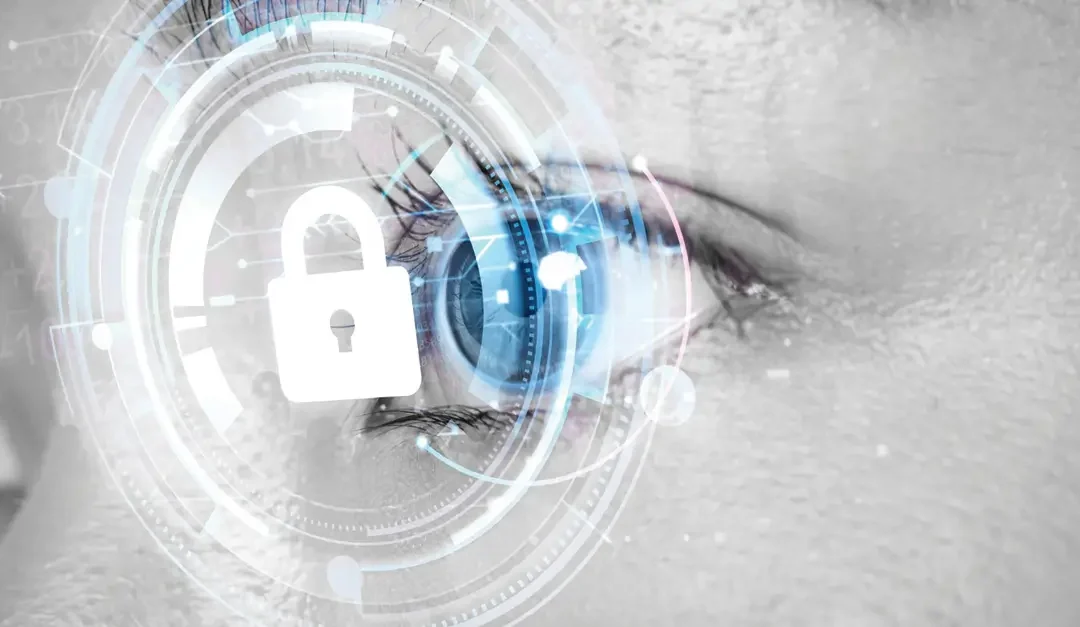
- Iris Recognition: Iris recognition is based on the unique patterns in the colored part of the eye, which are highly distinctive even between identical twins. Iris scanning technology involves using infrared light to capture a high-resolution image of the iris. Because the iris is protected by the eye’s natural structures and remains unchanged throughout life, it offers a highly accurate and stable method for identification. Iris recognition is often used in high-security environments, such as border control or government buildings, where accuracy and reliability are paramount.
- Retina Scanning: Retina scanning analyzes the unique pattern of blood vessels in the back of the eye. This biometric method is considered highly secure, as the retina’s structure is almost impossible to replicate. However, retina scanning requires specialized equipment, which makes it less widely used compared to other methods like fingerprint or iris recognition.
- Hand Geometry Recognition: Hand geometry recognition measures the size, shape, and features of a person’s hand, including the length and width of the fingers. Although this system is not as precise as fingerprint recognition, it has been used in access control systems for years. Hand geometry recognition is less invasive and more comfortable for users than other methods, which makes it an attractive option for workplace security and attendance systems.
2. Behavioral Biometrics
Behavioral biometrics focus on analyzing patterns in human behavior, which are unique to each person and can be used for authentication. This category includes:
- Voice Recognition: Voice recognition analyzes the unique features of a person’s voice, such as pitch, tone, cadence, and rhythm. It has been used in applications such as voice banking, customer service, and personal assistant technology (e.g., Amazon Alexa, Google Assistant). One of the key advantages of voice recognition is that it doesn’t require users to do anything extra—they can authenticate by simply speaking. However, it is vulnerable to environmental noise and may not be as reliable as other biometric methods in certain situations.
- Signature Recognition: Signature recognition technology evaluates the way a person signs their name, including the pressure, speed, and shape of the strokes. Signature dynamics are captured using a stylus or electronic pen, and they offer a way to confirm a person’s identity in contexts where handwritten signatures are traditionally used. This biometric method is often used in banking and legal document verification.
- Keystroke Dynamics: Keystroke dynamics analyze the typing patterns of individuals, including how fast or slow they type, the pressure they apply to the keys, and the intervals between keystrokes. This technology is primarily used for continuous authentication in digital environments. For instance, even if someone gains access to a system using another person’s login credentials, keystroke dynamics can be used to monitor their typing behavior and detect fraudulent activity.
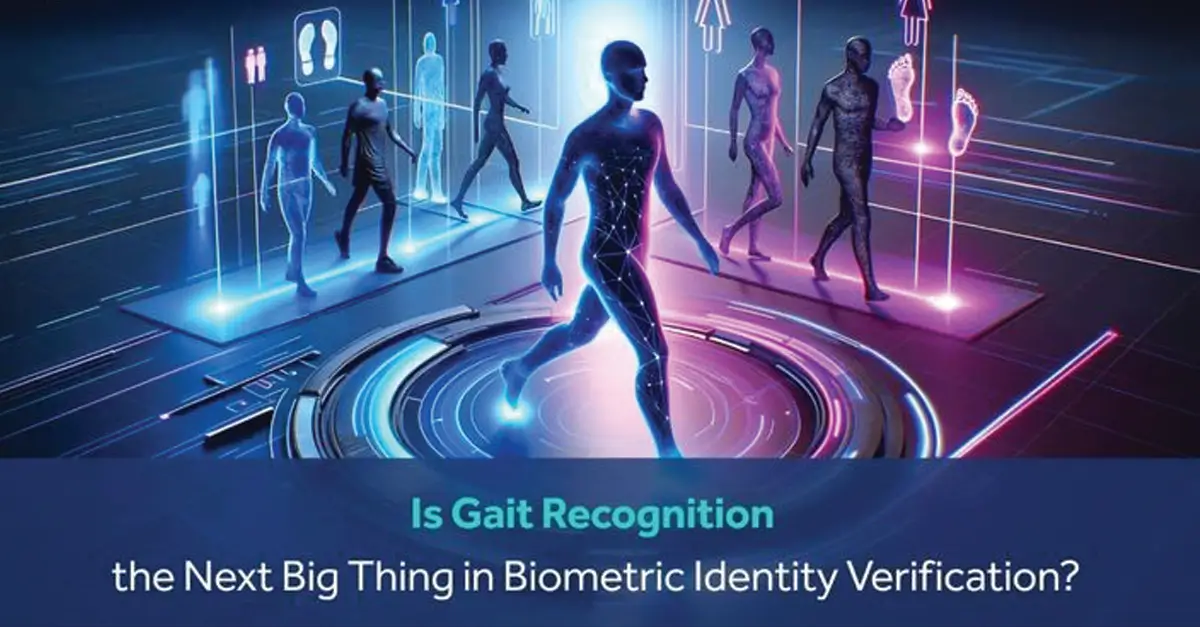
- Gait Recognition: Gait recognition involves identifying individuals based on their unique walking patterns. This method has the advantage of being unobtrusive, as it can be applied to individuals as they walk in public spaces. Although gait recognition is still developing and not widely deployed, its potential applications include security and surveillance, where it can be used to track individuals in real time.
Applications of Biometric Technology
Biometric technology is being deployed across a range of sectors, each benefiting from the added security, convenience, and efficiency provided by these systems. Some key applications include:
1. Security and Surveillance
Biometric systems are at the forefront of modern security. They are used for access control to secure areas, ensuring that only authorized individuals can enter restricted locations. Airports and border control facilities employ biometric systems like facial recognition and fingerprint scanning to verify identities and expedite passenger processing. In law enforcement, biometric databases are used to store and compare fingerprint and facial recognition data to identify suspects and solve crimes.
Biometric surveillance also plays a significant role in public safety. Cities are increasingly implementing biometric systems in public spaces, such as malls, stadiums, and transportation hubs, to enhance security by identifying potential threats before they escalate. While these systems improve safety, they also raise concerns about privacy and mass surveillance.
2. Healthcare
In healthcare, biometric technology is used to ensure accurate patient identification. By verifying patients through their fingerprints or iris scans, hospitals can avoid mix-ups and ensure that the right person receives the correct treatment. Biometric authentication is also useful for accessing electronic health records (EHRs) and ensuring that sensitive medical information is only available to authorized personnel.
Additionally, biometric technology helps reduce fraud in healthcare systems by preventing identity theft. Patients who use biometric identification can rest assured that their records are secure and that no one can fraudulently claim their medical insurance.
3. Banking and Finance
The financial sector has increasingly adopted biometric technology to enhance security and improve customer service. Fingerprint scanning, facial recognition, and voice recognition are commonly used to authenticate customers in banking apps, ATMs, and mobile payment systems. With the added layer of biometric security, banks can offer a safer and more convenient way for customers to access their accounts and authorize transactions.
Moreover, biometric technology helps prevent identity theft and account fraud, reducing the risks associated with stolen passwords and personal identification numbers (PINs). As digital banking becomes more prevalent, the integration of biometric authentication is crucial to maintaining the security and trustworthiness of financial services.
4. Consumer Electronics
Biometric technology has also made its way into consumer electronics, most notably smartphones. Fingerprint scanners, facial recognition, and even iris scanning are now standard features in many mobile devices, offering users a secure and convenient way to unlock their phones, make payments, and access sensitive applications. As biometrics become more integrated into consumer technology, it’s likely that additional devices, such as laptops, smartwatches, and home assistants, will also incorporate biometric authentication.
5. Travel and Border Control
Airlines and travel companies are increasingly using biometric systems for passenger identification and boarding. Facial recognition systems, for instance, allow passengers to board flights without the need for boarding passes, speeding up the check-in process. Biometric systems are also being implemented at border control points to expedite customs procedures and improve security. This not only benefits travelers by reducing wait times but also enhances national security by ensuring that only legitimate individuals are entering or leaving a country.
6. Workplace Access Control
In many organizations, biometric systems are used for employee access control. This ensures that only authorized personnel can enter restricted areas within the company. Fingerprint recognition, hand geometry, or facial recognition are commonly used in such settings. Biometric systems also play a role in attendance tracking, ensuring that employees can clock in and out securely without the need for badges or timecards.
Read Also: Biometric Technology: Harmonious Balance Between Ease and Security
Advantages of Biometric Technology
The widespread adoption of biometric systems is driven by their numerous benefits:
1. Increased Security
Biometrics offers a higher level of security compared to traditional authentication methods. Since biometric traits are unique to each individual, they are harder to steal or replicate. This makes biometric systems far more resistant to fraud and unauthorized access.
2. Convenience
Biometric authentication eliminates the need for users to remember passwords or carry physical tokens. Instead, individuals can use their own physical traits to authenticate their identity, which is faster and more convenient.
3. Accuracy and Reliability
Biometric systems, especially those that analyze physiological traits like fingerprints or iris patterns, offer a high degree of accuracy. As the technology continues to improve, the likelihood of false positives or false negatives decreases, making biometrics a reliable method for identification.
4. Fraud Prevention
Biometric systems help prevent fraud by ensuring that only the legitimate person can access their accounts, health records, or other secure systems. This is particularly crucial in industries like banking and healthcare, where fraud can have serious consequences.
5. Biometric Technology is Non-transferable
Unlike passwords, PINs, or ID cards, biometric data cannot be shared or transferred. This makes it a secure form of authentication, as it is tied directly to the individual.
Challenges and Limitations of Biometric Technology
Despite the many advantages, biometric technology is not without its challenges:
1. Privacy Concerns
The collection of biometric data raises significant privacy concerns. Storing biometric data presents a potential risk if such data is compromised. Unauthorized access to biometric databases could lead to identity theft or surveillance without consent.
2. False Positives and False Negatives
Biometric systems are not perfect and can sometimes misidentify individuals. A false positive could result in an unauthorized individual being granted access, while a false negative might prevent a legitimate user from being recognized. Factors like poor lighting or dirt on sensors can affect the accuracy of biometric systems.
3. Cost of Implementation
Implementing biometric systems can be costly, particularly for smaller businesses or organizations. The initial setup costs, as well as ongoing maintenance, can be prohibitive. However, as the technology matures, costs are expected to decrease.
4. Vulnerability to Attacks
Biometric data, once compromised, cannot be changed like passwords or PINs. This presents a significant risk if biometric data is stolen or hacked. As such, it is essential to protect biometric data through encryption and other security measures.
5. Cultural Resistance
In some regions, there is resistance to biometric systems due to concerns over privacy, surveillance, and government control. Cultural norms may make it difficult to implement biometric systems, particularly in societies where privacy is highly valued.
Ethical Considerations in Biometric Technology
The rapid growth of biometric technology has raised a number of ethical concerns that must be addressed to ensure that the technology is used responsibly:
1. Informed Consent
Before biometric data is collected, individuals should be fully informed about how their data will be used, stored, and protected. Consent should be voluntary, and individuals should have the option to opt-out without facing discrimination or exclusion.
2. Data Protection
Biometric data is highly sensitive, and it must be stored securely to prevent unauthorized access or misuse. Strong encryption methods should be used, and data should only be retained for as long as necessary.
3. Bias and Discrimination
There have been concerns about bias in biometric systems, particularly in facial recognition technology. Studies have shown that these systems can perform less accurately for women and people of color. This could lead to discrimination or wrongful identification, so developers must ensure that biometric systems are fair and inclusive.
4. Surveillance and Privacy
There is a growing concern about mass surveillance using biometric technology. Governments and organizations must balance security needs with privacy rights, ensuring that biometric systems are used responsibly and in a way that does not infringe on individuals’ rights to privacy.
Conclusion
Biometric technology offers a powerful and secure way to authenticate and verify individuals. It has applications across numerous industries, including security, healthcare, banking, and consumer electronics. Despite its advantages, the use of biometric technology raises important ethical and privacy concerns that must be addressed to ensure that it is used responsibly. As the technology continues to evolve, it is crucial that organizations and governments implement robust safeguards to protect individuals’ rights and ensure that biometric systems are fair, secure, and transparent.
By balancing the potential benefits with ethical considerations, biometric technology can play a significant role in improving security, convenience, and efficiency in the modern world.
Reference
- Jain, A. K., Nandakumar, K., & Ross, A. A. (2008). “Fingerprint matching using minutiae and texture features.” Proceedings of the International Conference on Image Processing (ICIP). IEEE.
- Grother, P., Ngan, M., & Hanaoka, K. (2018). “Ongoing face recognition vendor test (FRVT) 2018.” National Institute of Standards and Technology (NIST)