The Digital Revolution of Consumer Behavior
In today’s world, social media is not only a place of communication, networking, and entertainment but has also become an important tool that controls consumer spending and business behavior. Social media platforms like Facebook, Instagram, TikTok, and YouTube influence consumers’ purchasing decisions. This has resulted in businesses shaping their marketing strategies around social media to gain a competitive edge. In this article, we delve into the impact of social media on consumer spending and market trends and how they are used to influence users.
A good example is the report that shows the shopping habits provided by Daniel Coppola (2024). It shows that the most influential social media platform was YouTube, influencing consumers between 18 and 44 years and 55 years and above, and TikTok influencing the audience aged 18 to 24 years. Finally, Facebook is relevant for middle-aged adults aged 45 to 54. This admits that social media platforms have evolved to influence the purchasing behavior of consumers as compared to traditional advertising
How Influencer Marketing Affects Brand Awareness
Influencer marketing is the type of marketing that involves a company entering into a partnership with a person known as an influencer who has gained a lot of followers and has a strong online presence. This person then helps the company to promote the brand’s products. The influencer usually promotes the brand’s products on social media platforms to their loyal followers.
Brand awareness– this is how the targeted audience in the market is familiar and can easily recognize the brand by being able to distinguish the brand logo, products, and the values from others in their daily life.
Influencer marketing has affected and changed the way brands and companies do their advertising and marketing. It has made companies change from traditional marketing, where the brands were doing ads targeting the general consumers. Influencers have their loyal followers who are potential customers. Due to this, the companies approach the influencers to help them recommend their products to the consumers, who eventually buy the product. The influencers, in return, are paid because they help the company sell more products. This shows that influencer marketing helps companies improve brand awareness and consumer spending habits.
Relationship Between Shopping Habits and Viral Trends
A brand’s product can become famous overnight due to a video or even an endorsement done by an influencer. As it goes viral on social media platforms, the target audience gets to know it, which usually influences the buying habits of the customers for weeks. This has made the brands change how they market their products and come up with a marketing design that aligns with the viral hashtags, with an aim to make their products go viral whenever they advertise.
For example, the hashtag known as “TikTokMadeMeBuyIt” mainly shows the products that have gained popularity after their video about them is posted on TikTok. This can be used to market beauty and hair products. This indicates that there is a direct relationship between viral trends and consumer habits.
Personalized Advertisement: Al & Consumer Data
How Consumer Data is Used in Social Media Platforms
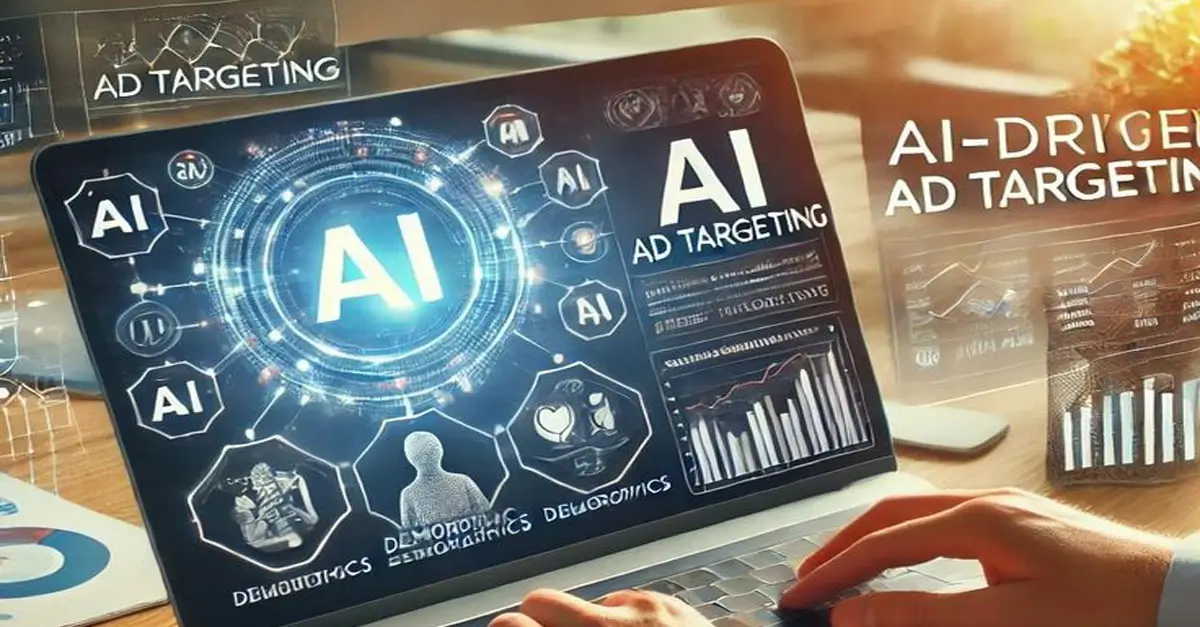
Social media platforms monitor the customers’ data precisely for targeted advertising, whereby if someone searches for something on the social media platform, the data is stored. Then the person starts to see ads that are related to what he initially searched. For instance, if a client wants to purchase sneakers, he goes to Facebook and searches for “running shoes.” After that, the customer will start seeing the advertisements for sneakers on his Instagram and Facebook pages. This is because Al monitors and stores the data of what the customer searches and then personalizes the ads that align with the client’s searches.
Research conducted by Dragon Technology Solutions (2025) highlights that the advertisements that are being done with AI result in an improvement of sales by 60% because AI makes sure that advertisements have reached the most target customers using the data on their social media platforms.
How AI Influences Shopping Behaviors
Artificial intelligence analyzes customer data, like browsing history, the activities done in social media, and the type of goods purchased in the past, so as to come up with personalized advertisements and targeted recommendations, which then influence customer behavior. Al can easily suggest goods and services that align with the customer’s needs and tastes using the data analyzed. This can easily persuade a customer to buy a particular product, thus influencing their behavior.
The Growth of Social Media Shopping and E-commerce
Instagram and TikTok Shopping Features
Social media platforms like TikTok and Instagram have developed features that allow customers to shop within the app. For instance, features like TikTok marketplace and Instagram shops will enable the audience, most likely the young audience customers, not only to entertain themselves on the platform but also to access goods and services that can be of interest and purchase them without switching to another application. This has improved the customer experience and satisfaction because the customer gets access to products easily.
Simplicity in Smartphone Shopping
A lot of businesses have noticed that most people access social media through mobile phones, which has made it easy to make the shopping experience using a phone; hence, one can easily buy a product through the business’s application. This is evident because brands have developed their apps to have features like in-app purchases and fast checkouts so that their clients can buy their products easily and quickly. Research by Anton Konopliov (2024) highlights that over 60% of transactions of most brands are done by smartphones.
Challenges and Ethical Concerns of Social Media Commerce
The Consumer Data Integrity Issues

Personalized recommendations and targeted advertisements are being provided in social media with the help of artificial intelligence, which uses data collected from consumer search history and purchasing habits to do this. As it collects data, this raises ethical concerns because the users of the data don’t understand which kind of data is being collected and where it is going to be used. Additionally, social media platforms like Facebook eventually sell this data to big companies without the users’ consent. This raises security concerns because the customers’ data may not be well protected from hackers, and it may raise concerns about the privacy of the consumers.
False Reviews and Misleading Advertisements
Social media marketing can be attractive and nice, but not all of it is honest. Some companies use social media influencers to do false advertising, exaggerate the reviews, and provide fake reviews about the products without even using the products first, so that they gain the trust of customers in exchange for money, according to David Ehrentreu (2025), 30% of the reviews given on social media are completely fake or even exaggerated, making it hard for customers to know which product is goods, leading to a loss of trust and a bad reputation.
The Challenge of Overspending
Users are being exposed to new products and trends through the use of social influencers’ advertisements and social media platforms. This can persuade the customers to keep updated on the latest trends by buying the products, resulting in most people purchasing products that they don’t use. This led to financial stress as the customers now spend more money than they can afford.
Conclusion
The evolution of social media has changed how companies and brands market their products, do advertising, and how consumers access goods and services. This has been made possible by a collaboration of social media apps and artificial intelligence, which corrects data from clients and analyzes it to provide targeted advertisements for the products they may need. This has led to improved customer experience, made online shopping easy, and increased satisfaction. The collaborations between Social media influencers and brands have also influenced customer behavior through promotions and reviews, making various people buy the products and know the brand being advertised. The use of social media also comes with its demerits, whereby the data of the consumers is being collected and sold without their consent, the reviews and advertisements made online may be fake, and there are issues of overconsumption.