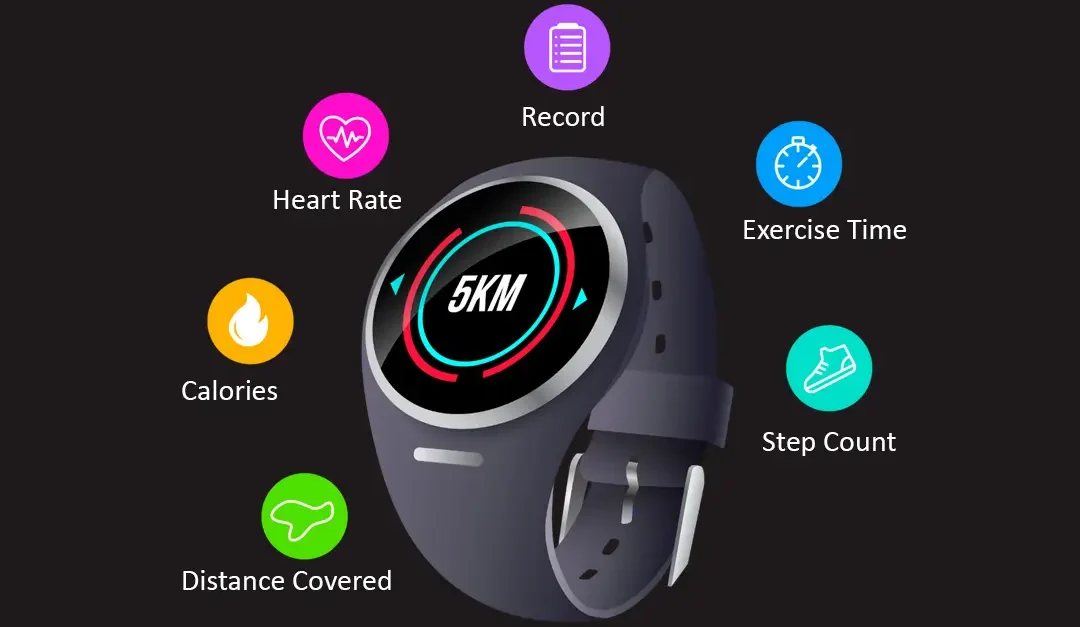
Preventive healthcare has long been recognized as the cornerstone of a sustainable and efficient health system. The shift from reactive treatment to proactive prevention is being accelerated by one of the most revolutionary developments in health technology: wearable devices. These include smartwatches, fitness trackers, biosensors, smart clothing, and even implantable devices that continuously monitor health metrics in real time. With chronic diseases and lifestyle-related conditions on the rise globally, wearable tech offers a powerful way to detect health risks early, improve individual behavior, and streamline communication between patients and healthcare providers. This blog article explores how wearable technology is reshaping preventive healthcare and creating a more personalized, data-driven approach to well-being.
1. What Is Wearable Technology in Healthcare?
Wearable technology in healthcare refers to body-worn electronic devices that collect data on various physiological parameters such as:
- Heart rate
- Blood oxygen levels
- Sleep patterns
- Physical activity
- Temperature
- Blood glucose
- Blood pressure
- ECG (Electrocardiogram)
- Respiratory rate
These devices sync with mobile apps or cloud platforms and often use AI or machine learning algorithms to interpret trends and generate health alerts or recommendations.
Examples of Wearables:
- Apple Watch (with ECG, fall detection, and SpO2 monitoring)
- Fitbit Charge and Sense
- Oura Ring (sleep and readiness tracking)
- Dexcom G7 (continuous glucose monitor)
- BioBeat (remote patient monitoring for blood pressure and pulse)
2. The Preventive Healthcare Paradigm
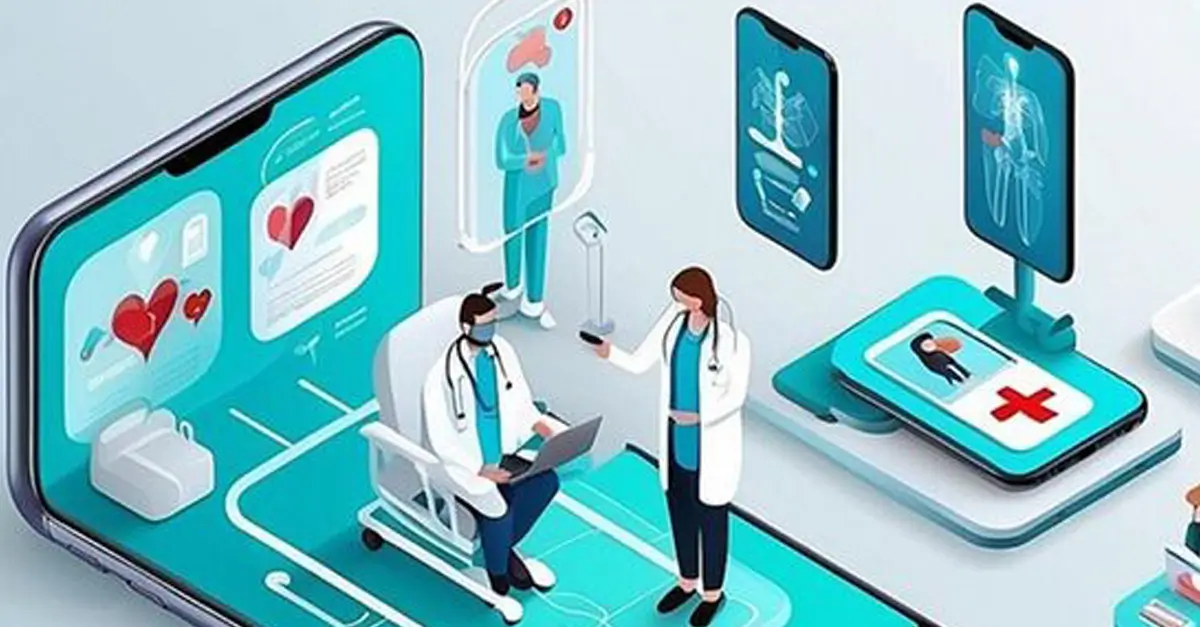
Preventive healthcare refers to interventions taken to avoid diseases rather than treating them after they occur. It includes:
- Health screenings
- Immunizations
- Lifestyle counseling
- Risk factor management
Wearable technology enhances all four pillars by continuously collecting and analyzing health data, thus enabling timely and personalized interventions.
“Wearables represent a digital extension of the clinician’s eye and ear, offering round-the-clock insights that were previously unavailable” (Harvard Health, 2022).
Read Also: Tech and Mental Health: Exploring the Relationship Between Technology Use and Mental Well-Being
3. How Wearables Enable Preventive Care
3.1 Early Detection of Health Issues
Wearables can detect subtle physiological changes before symptoms appear.
- Example: Irregular heart rhythms (e.g., atrial fibrillation) can be detected by Apple Watch before a user experiences symptoms.
- Sleep apnea can be detected based on blood oxygen dips during sleep, even without a traditional sleep study.
3.2 Encouraging Healthy Behavior
Behavioral change is at the heart of preventive care. Wearables offer:
- Step and movement reminders
- Personalized goal setting
- Gamification elements (e.g., badges, streaks, leaderboards)
- Sleep hygiene alerts
According to a study by JAMA Internal Medicine, users who received regular feedback from their wearable device walked 1,850 more steps per day on average compared to those who did not.
3.3 Real-Time Alerts
Advanced wearables send alerts for:
- Low/high heart rate
- Fall detection
- Medication reminders
- Poor sleep quality
- Prolonged sedentary behavior
This empowers users to take immediate corrective action or seek medical advice before a condition worsens.
4. Remote Patient Monitoring and Chronic Disease Management
Wearables are particularly valuable for at-risk populations and those with chronic illnesses:
4.1 Hypertension
- Smart blood pressure cuffs (e.g., Withings BPM) allow daily monitoring.
- Data can be shared with healthcare providers through cloud platforms.
4.2 Diabetes
- Continuous Glucose Monitors (CGMs) like Dexcom and FreeStyle Libre provide 24/7 glucose trends.
- Users can modify diet and activity based on real-time glucose feedback.
4.3 Cardiovascular Disease
- Devices like KardiaMobile capture EKGs and help detect arrhythmias.
- Wearables monitor post-surgery patients for warning signs.
4.4 Obesity and Physical Inactivity
- Fitness trackers provide tailored activity prompts.
- Real-time data encourages adherence to exercise regimens.
“Remote monitoring reduces hospitalization rates by up to 50% in chronic heart failure patients using wearable sensors” (American Heart Association, 2021).
5. Integration with the Healthcare System
5.1 Electronic Health Records (EHR) Integration
Platforms like Apple HealthKit and Google Fit allow data from wearables to be integrated into EHRs, offering clinicians a longitudinal view of a patient’s health.
5.2 Telehealth and Virtual Care
Wearables complement telehealth by:
- Offering objective data during virtual consultations
- Facilitating post-discharge monitoring
- Reducing the need for frequent in-person visits
5.3 Clinical Decision Support
Some systems now incorporate wearable data into AI-powered risk prediction tools. For instance:
- Elevated resting heart rate + poor sleep + low activity = higher cardiovascular risk
- Predictive algorithms may alert clinicians for early intervention
6. Benefits of Wearables in Preventive Healthcare
| Benefit | Description |
| Early Intervention | Detect signs of illness before symptoms escalate |
| Patient Engagement | Encourages users to take charge of their health |
| Continuous Monitoring | 24/7 real-time data provides a fuller picture |
| Reduced Healthcare Costs | Preventing disease is more cost-effective than treating it |
| Improved Outcomes | Better chronic disease management leads to fewer complications |
| Data-Driven Care | Enables precision medicine tailored to individual health profiles |
7. Challenges and Limitations
7.1 Data Privacy and Security
- Sensitive health data is vulnerable to breaches.
- Wearable companies must comply with HIPAA (U.S.) or GDPR (EU) regulations.
7.2 Data Accuracy
- Consumer-grade wearables may lack medical accuracy.
- Inconsistencies can lead to misdiagnosis or anxiety.
7.3 Digital Divide
- Not everyone can afford or operate wearable tech.
- Older populations or underserved communities may be left out.
7.4 Alert Fatigue
- Too many notifications can desensitize users or cause unnecessary worry.
7.5 Regulatory Oversight
- Only a few wearables are FDA-cleared as medical devices.
- Standards are evolving, but many devices fall into a “wellness” gray area.
8. Ethical and Legal Considerations
- Who owns wearable health data?
- Can employers or insurers access this data?
- What are the implications of sharing data with AI platforms or third parties?
Healthcare professionals must ensure that patients are fully informed about the use, sharing, and risks of their wearable data.
“Ethical wearables require transparent data practices and patient-centric design,” says the World Health Organization (WHO, 2023).
9. Future Trends in Wearable Health Tech
9.1 AI-Powered Wearables
Next-generation wearables will do more than collect data—they’ll analyze and act on it in real time.
- Predicting asthma attacks
- Detecting depressive episodes
- Tailoring fitness or diet plans based on DNA and microbiome data
9.2 Smart Clothing and Skin Sensors
- Smart bras for breast cancer detection
- Sweat-based glucose monitors
- Biosensing tattoos
9.3 Implantables and Bioelectronics
- Devices inserted under the skin to monitor vitals or dispense medication
9.4 Metaverse and Augmented Reality Integration
- AR-enhanced wearables for physical therapy
- Virtual health coaching experiences based on real-time metrics
10. Case Studies
Case Study 1: Apple Heart Study
- Conducted with Stanford Medicine
- Over 400,000 participants
- Apple Watch successfully identified irregular heart rhythms, validating its potential as a population-level screening tool.
Case Study 2: Ochsner Health (U.S.) Hypertension Program
- Integrated wearable BP monitors with clinician dashboards
- Achieved 46% increase in blood pressure control across enrolled patients
Case Study 3: UK National Health Service (NHS)
- Piloted wearable use for COPD and heart failure patients
- Hospital re-admissions dropped by 22% over six months
11. The Role of Stakeholders
Patients
- Must be educated on correct usage and interpretation
- Should be empowered, not overwhelmed, by data
Healthcare Providers
- Need training on interpreting wearable data
- Must integrate wearables into evidence-based care pathways
Insurers
- Some insurers now reward healthy behavior with premium discounts
- Wearables could drive personalized risk assessments
Regulators
- Need to evolve frameworks for device approval, data protection, and interoperability
Tech Companies
- Must prioritize ethical design, data privacy, and inclusive innovation
Conclusion
Wearable technology is redefining the boundaries of preventive healthcare. No longer limited to annual check-ups or symptom-based visits, healthcare is now moving to the wrist, finger, or even fabric of the individual—offering real-time, actionable insights that can prevent disease and promote wellness.
While challenges such as data accuracy, equity, and ethics remain, the benefits of wearables are undeniable. They offer a glimpse into a future where individuals are co-managers of their health, empowered by data, and supported by an ecosystem of digital tools and human care.
The widespread adoption of wearable technology has the potential to reduce healthcare costs, enhance outcomes, and create a culture of proactive health—a future not of sick care, but of true healthcare.