
The maritime industry, often seen as one of the most traditional sectors in global commerce, is undergoing a seismic transformation. With increasing globalization, climate imperatives, and rising e-commerce demands, the need for faster, safer, and more sustainable maritime logistics is driving the adoption of cutting-edge technologies. Two of the most transformative innovations are smart ports & autonomous shipping. These technologies are reshaping how goods move across oceans—enhancing efficiency, reducing human error, and contributing to more intelligent trade ecosystems.
What Are Smart Ports?
Smart ports are seaports that integrate digital technologies—such as Internet of Things (IoT), artificial intelligence (AI), big data analytics, and blockchain—into their infrastructure and operations to optimize cargo handling, reduce emissions, and improve turnaround times.

Key Features of Smart Ports:
- Real-time tracking and analytics
- Automated cranes and container handling systems
- Predictive maintenance using AI
- Digital customs and trade documentation
- Seamless data exchange with ships and logistics chains
Example: Port of Rotterdam, one of the world’s most advanced smart ports, uses digital twin technology and IoT sensors to simulate and manage port activities with near-perfect precision (DHL, 2022).
The Rise of Autonomous Shipping
Autonomous ships—also known as Maritime Autonomous Surface Ships (MASS)—use AI, radar, LiDAR, GPS, and sensor technologies to operate with little or no human intervention. These vessels can:
- Navigate using intelligent algorithms
- Detect obstacles via real-time imaging
- Optimize fuel use and emissions
- Dock and undock with robotic precision
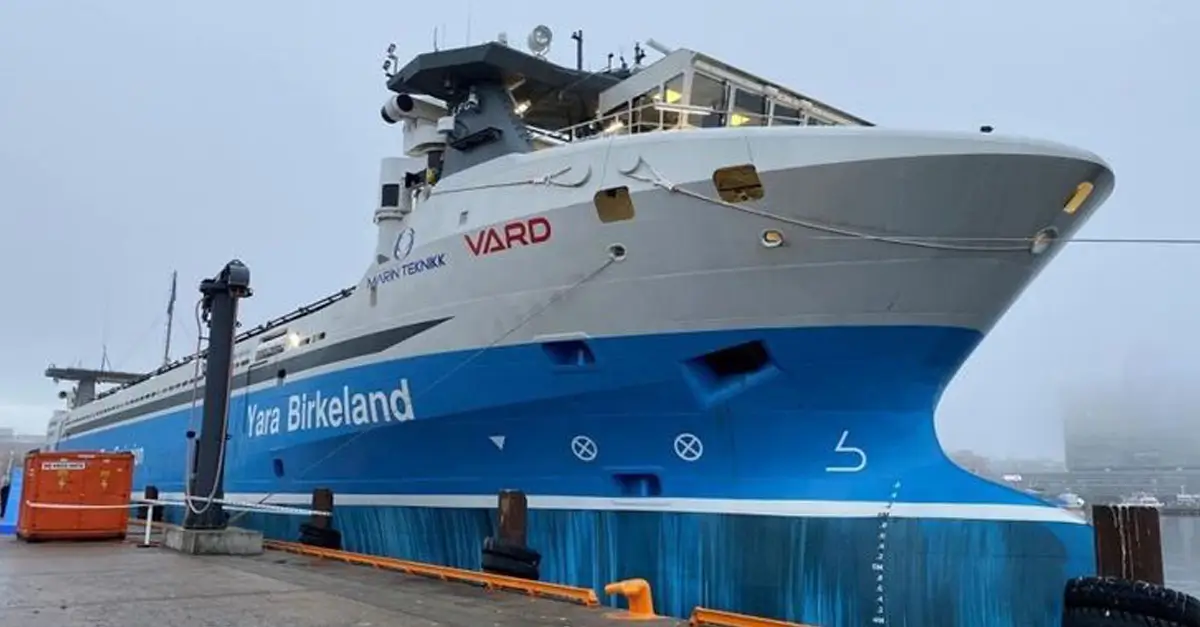
The Yara Birkeland, launched in Norway, is the world’s first fully electric and autonomous cargo ship. It exemplifies how autonomy and green technology can merge to define the future of sustainable maritime transport (UNCTAD, 2022).
Benefits of Smart Ports and Autonomous Shipping
1. Improved Operational Efficiency
Smart ports can optimize loading and unloading schedules, berth assignments, and storage using AI algorithms, reducing vessel turnaround times by up to 30%.
Autonomous ships also increase fuel efficiency through optimized route planning and engine management systems.
“Predictive maintenance in smart ports can reduce equipment downtime by 20% and maintenance costs by 10%” (PwC, 2021).
2. Enhanced Safety and Risk Reduction
Maritime accidents are often caused by human error. With autonomous technologies, real-time decision-making can respond to environmental or operational anomalies with high precision, minimizing risk.
3. Environmental Sustainability
Smart logistics tools help optimize resource use—reducing CO2 emissions, fuel consumption, and waste. Electric autonomous ships can significantly reduce marine pollution.
4. Cost Efficiency
Autonomous ships reduce crew requirements, and smart ports lower labor-intensive processes. This translates into long-term cost savings, even if initial investments are high.
Challenges and Limitations
1. Technological Interoperability
Many ports still rely on legacy systems that are incompatible with new technologies, creating bottlenecks in full-scale smart transformation.
2. Cybersecurity Risks
Digital ports and autonomous systems are vulnerable to cyberattacks. Any breach in system security can disrupt entire supply chains.
“Cyber risks have risen by 400% in maritime logistics since the adoption of IoT-based port operations” (Lloyd’s Register, 2023).
3. High Upfront Costs
Both smart port infrastructure and autonomous ships require significant capital. Developing countries and smaller operators may struggle to keep up.
4. Regulatory and Legal Hurdles
Maritime laws are still designed around manned ships. Defining accountability and updating international regulations are major ongoing challenges.
Global Case Studies
🟦 Port of Singapore
Singapore’s Maritime and Port Authority (MPA) has implemented a fully digital Port Community System that integrates all stakeholders—from shippers to customs officials—in one streamlined digital platform.
🟩 Port of Los Angeles
This port has deployed AI-based predictive analytics and drones for monitoring container yard activities, improving cargo handling efficiency by over 20%.
🟥 Japan’s NYK Line
The Japanese shipping giant NYK is testing autonomous navigation software with its vessel “Suzaku,” integrating remote monitoring centers for emergency override.
The Future Outlook
The global smart port market is projected to reach $12.5 billion by 2030, driven by trade volume growth and pressure to reduce emissions (Statista, 2023). By 2040, it’s expected that:
- Up to 50% of cargo ships may have autonomous functions.
- Smart ports will be fully AI-governed logistics nodes, coordinating maritime, rail, and road seamlessly.
“Autonomous shipping is not just about removing crew—it’s about rethinking how global logistics flows function altogether” (World Economic Forum, 2022).
Infographic: Smart Port Ecosystem
Smart Port Technology Stack
| Technology | Application |
| IoT Sensors | Real-time container and environmental tracking |
| AI & Machine Learning | Predictive maintenance, traffic forecasting |
| Digital Twins | Port simulations and efficiency modeling |
| Blockchain | Secure customs documentation and chain of custody |
| 5G Connectivity | Fast data exchange and remote operation |
| Drones & Robotics | Surveillance, container scanning, yard automation |
Source: Port Technology International
Stakeholder Involvement
To succeed, transformation must include:
- Port Authorities – For investment and policy frameworks
- Tech Companies – For deploying scalable solutions
- Maritime Operators – For vessel integration and compliance
- Regulators – To adapt global maritime laws
- Environmental Bodies – To guide sustainable practices
Policy Recommendations
- Standardize Data Protocols: Encourage the use of open APIs and shared cloud platforms across port operators globally.
- Public-Private Investment Partnerships: To reduce the financial burden of transitioning to smart technologies.
- Cybersecurity Frameworks: Ports and ships must be treated as critical infrastructure with dedicated cyber defense strategies.
- Global Regulatory Harmonization: The IMO and national authorities must collaborate to develop a unified legal framework for MASS.
Conclusion
Smart ports and autonomous shipping are no longer futuristic concepts—they are active disruptors reshaping global trade. As international commerce grows in complexity, maritime stakeholders must embrace innovation to remain competitive, resilient, and sustainable. While there are significant challenges ahead, the integration of AI, automation, and real-time data intelligence offers unprecedented potential to transform maritime trade into a smarter, safer, and more agile system.