
Business environments are highly saturated; therefore, businesses must differentiate themselves to achieve their objectives. With countless options available at the consumer’s fingertips, brands must find compelling ways to distinguish themselves. This is where mastering product differentiation becomes a powerful strategy. As per Carol (2024), Product strategy is defined as a way the business has set its goods and services apart from its competitors in ways that are meaningful to the targeted customers.
Whether you are running a business that deals with technology, providing services to customers, or manufacturing products, differentiation is essential as it determines the success or failure of your brand. Innovation happens daily and customer preferences shift rapidly in the market, having a clear and distinctive edge helps attract attention, build loyalty, and maintain profitability. In this article, we will dive into the fundamentals of product differentiation, why it’s crucial in competitive markets, the various types, challenges involved, and digital strategies for visibility.
Understanding Product Differentiation
Product differentiation is not just about making something different; it’s about making it valuable and recognizable in the eyes of the consumer. Its main target is to meet the consumers’ expectations and solve their problems. When product differentiation is done and executed effectively, it will influence how the targeted customers will perceive your brand, and how many customers you will attract, leading to a stronger connection, thus the customers will be choosing your business over that of competitors.
Consumers, Perception, and Value
The purchasing decisions of customers primarily depend on the perceived value. With the help of product differentiation, a business’s products are perceived as superior, more suitable, and more appealing compared to others in the industry. This is because after differentiation, there is an improvement in quality, the addition of unique features, and an emotional connection with the consumers as their expectations are being met.
Strategic Brand Positioning
Product differentiations’ effective goes beyond just standing out; it strategically positions a brand within the marketplace. It clearly communicates who the product is designed for, why it holds value, and how it uniquely addresses customer needs better than the competitors. This level of clarity empowers businesses to attract the right audience, command premium pricing, and foster long-term customer loyalty. When consumers understand the distinct value a product offers, they’re more likely to choose it and stick with it.
Key Drivers of Differentiation
In the crowded and competitive market, it’s no longer enough for a product to look good or have a catchy name. What truly sets successful brands apart are the deeper qualities that make their products useful, meaningful, and worth choosing. These key drivers of differentiation help businesses connect with the right customers, stand out from the competition, and build lasting loyalty.
- Innovation-this involves introducing new features, technologies, or functionalities that improve user experience and add meaningful value to the product you are selling.
- Emotional Appeal-Building a strong emotional connection by aligning with the consumer’s identity, values, needs, or aspirations, making the product more than just a purchase, but a statement.
- Unique Features-this also involves standing out through exclusive offerings, whether it’s patented technology, superior materials, or high levels of personalization that competitors can’t replicate.
The Main Types of Differentiation
There are lots of ways to differentiate products. Often, brands will combine several differentiating approaches to establish a market identity that is uniquely theirs. Below are the various types of product differentiation that a business may apply, as per Gautam (2024)
Quality-Based Differentiation
Some products are made from quality materials, and then quality checks are being done strictly hence the final product will of high and defect free product. All of these can separate products in a price-driven world that is flooded with cheaper offers. A good example is being given by the Houston Toyota Center, where Toyota company stands out in the automotive industry for prioritizing quality over sheer production volume. This strategic emphasis ensures that each vehicle adheres to strict internal standards before it reaches the market.
Price-Based Differentiation
Some brands adopt a price-based competition strategy, focusing on lower prices. In contrast, others justify a higher price due to their value proposition.
Design and Style-Differentiation
When consumers select products, design and style play a significant role. A product that is visually appealing, seamlessly designed, and easy to use are the key quality feature that customers look for when making a purchase. Companies like Nike use this kind of strategy to stand out in the market.
Innovation & Technology
Taking advantage of new technology, businesses can find a solid ways to differentiate a product and offer customers something advanced that others offer using outdated features. Entities that stay ahead of the tech curve or incorporate the latest standard features, AI tools, automation, and seamless integrations will create a sustained competitive advantage.
Emotional Differentiation
Emotional differentiation occurs when a brand connects with consumers on a deeper level by reflecting their values, identity, or lifestyle. Instead of focusing only on product features or price, the brand becomes a symbol of something personally meaningful, such as social causes, cultural belonging, or personal beliefs. This emotional connection builds loyalty and makes the product more than just a purchase, turning it into a form of self-expression for the consumer.
Read Also: Debt Management: How Companies Handle Borrowing
Challenges in the Competitive Market
Companies are under constant pressure to stay of others in the market. Quick moving innovation, the rise of digital platforms and the shift of the customer behavior has strengthen the rate of competition across different industries. While differentiation remains a powerful strategy, maintaining it is becoming increasingly complex. A study done by Peep (2025) highlights the challenges a business faces while doing product differentiation, as explained below:
Oversaturation and Information Overload
In the digital space, numerous products and services are being exposed to customers. Additionally, customers are exposed to multiple promotions, ads, and brand messages through social media platforms, search engines, and in-store displays. This continuous stream of content makes it challenging for any brand to truly capture and retain consumer attention. Without a crystal-clear message and a truly unique value proposition, even the most promising offerings can be drowned out in the noise. Unless the businesses have a deliberate and strategic plan on how to communicate, oversaturation leads to brand invisibility.
Price Wars and Margin Erosion
This usually occurs when product differentiation becomes unclear or loses its power. Many companies fall back on price as their primary competitive lever. While this might generate short-term sales, it often triggers price wars where competitors continue to undercut each other. This not only eats into profit margins but also shifts the focus away from value and innovation. In the long run, customers may begin to view products as interchangeable, caring only about who’s cheapest, making it even harder to justify premium pricing or invest in quality improvements.
Differentiation Fatigue
As industries mature, competitors tend to imitate one another. Features and innovations that once gave a company a clear advantage often become industry standards. For instance, what began as a premium offering, such as 24/7 customer support, may eventually be offered by everyone. This leads to a “differentiation fatigue situation,” in this circumstances the customers finds harder and harder to see any real difference between brands. To avoid blending in, companies must constantly reinvent and reimagine what makes them special, which can be costly and complex.
Misalignment with the Customer Needs

Creating features and designs that the customers really don’t want and need is a significant risk to product differentiation. Sometimes, to stand out, businesses focus too much on being different and forget to stay grounded in real customer problems. This misalignment can lead to wasted resources, poor sales, and confusion in the market.
Read Also: Customer Retention Strategies That Drive Long-Term Business Success
Product Differentiation Strategies Companies Use to Stand Out
In a market where products can often seem similar, successful companies rely on more than just features and even price to win customers. They use innovative strategies that go deeper, connecting emotionally, solving real problems, and creating memorable experiences. A study done by the Statsig team (2025) highlights the following plans that an entity must use.
I. Branding
Strong branding is more than just a logo or color scheme; it’s about telling a story that people connect with. Companies that use storytelling effectively can express their mission, values, and personality in a way that builds emotional ties with their audience. This may involve highlighting the effects of a particular product, creating a lifestyle around the brand, and even sharing the founder’s journey. Good storytelling helps people remember and relate to your business on a personal level.
II. Innovation and High-Quality Products
Offering high-quality products is one of the most reliable ways to earn customer trust. But pairing that quality with innovation takes it a step further. Businesses that constantly improve their products, introduce new features, and solve problems in fresh ways help in customer retention, hence repeated sales and beating the competitors in the market. Additionally, innovation exhibits the business’s goals of forward-thinking and commitment to meeting evolving needs.
III. Customer Experience Personalization
Customers expect businesses to understand them. Personalizing the customer experience is key. This is being done through direct methods like targeted offers, customized communication, and tailored product recommendations. This makes the customers feel valued. In this case, a business can use things like an email that uses their name or a homepage that reflects their preferences. Personalization boosts engagement, satisfaction, and loyalty.
IV. Offering Bundles and Complementary Offerings
Offering bundles is another smart way businesses stand out. This entails grouping related products or services together and sell them as a package. It makes buying easier and often more affordable for the customer. They can also involves offer extra items like accessories, upgrades, or support services that go well with the main product. These additions make the overall offer more useful and convenient. When done well, bundling helps the customer get more value and helps the business sell more.
Tools to Support Mastering Product Differentiation
For a business to stand out it need more than good ideas but instead they need the right tools to guide their decisions. These tools that help companies understand their market, identify their strengths, and stay connected to what customers really want. Here are some useful tools that support effective product and brand differentiation:
1. Client Feedback Platforms
It’s important how customers perceive the products offered by an entity. By looking for customer feedback using tools like surveys, reviews, and feedback apps, which give businesses direct insight into what their customers think. This helps identify what people love, what needs fixing, and what could be added to improve the overall experience. Listening to honest feedback allows companies to keep improving and stay relevant to customer needs, which is key to staying different and valuable in the market.
2. SWOT Analysis
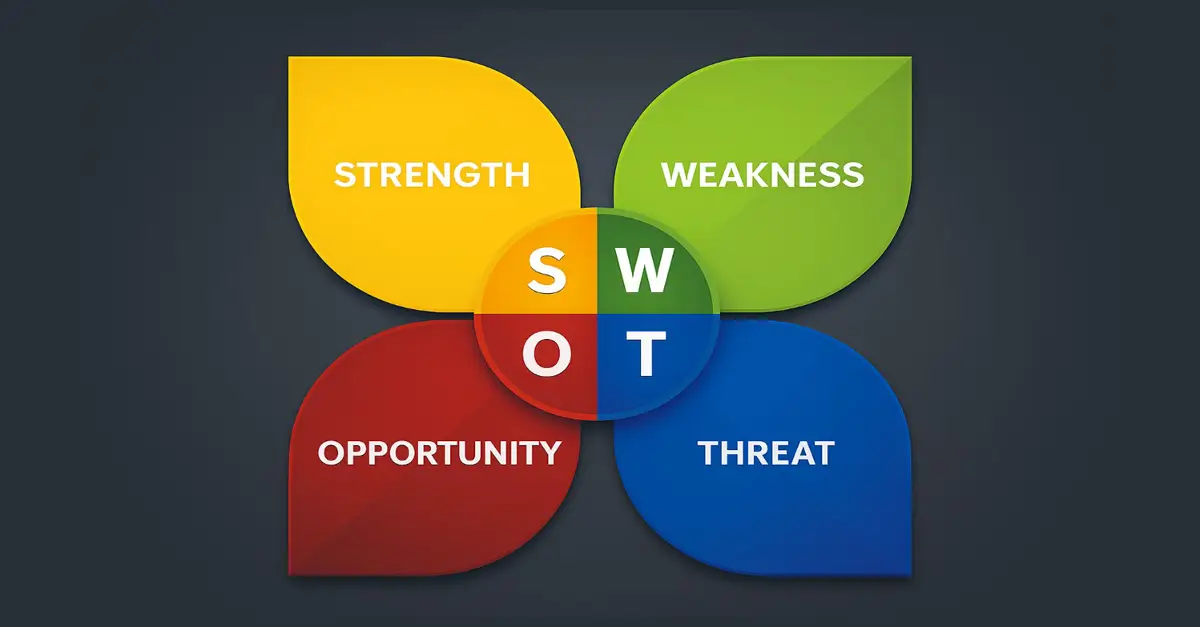
SWOT is another tools for product differentiation. It means Strengths, Weaknesses, Opportunities, and Threats. This tool helps businesses take a clear look at where they stand. By understanding their strong points and areas that need improvement, as well as spotting external opportunities and risks, companies can focus on what truly sets them apart and avoid wasting energy on things that don’t add value.
3. Market Research
For a business to do product differentiation, it must first understand its customer, competitors, and the market. For an entity to achieve this, it must conduct extensive market research. It involves collecting data about customer needs, buying habits, and market trends. Better decisions are then being made by the business relating to how to position their product and which feature matters most to the clients.
Read Also: Smart Budgeting for Businesses: How to Boost Your Return on Investments (ROI)
Digital Product Differentiation Techniques
Having a strong digital presence is just as important as having a good production nowadays, where most people search, shop, and connect online. Businesses that stand out online are often the ones that win customer attention. Here are a few simple but powerful ways to stand out in the digital space:
- Being User-Friendly and SEO
If people can’t find your business online, they won’t buy from you. Search Engine Optimization helps your website appear higher in search results when someone looks for what you offer. By using the right keywords, helpful content, and trusted links, you can attract more visitors who are already interested in your product.
II. Personalization With the Help of Customer Data

Digital tools let you teach about your customers ‘ interests, behavior, and preferences. With this information, you can offer personalized messages, product suggestions, and ads that feel more relevant. This makes people more likely to click, engage, and buy from you.
III. User-Friendly Websites and Apps
The customers expect websites and apps to work smoothly. If your site is slow, confusing, or complicated to use, customers will leave no matter how great your product is. A fast, clean, and easy-to-navigate design of a business website helps build trust and keeps users coming back.
IV. Smart Use of Content
To build a connection with the customer, content like blogs, videos, or podcasts is being used not only to attract customers, but it also entertain and educate the clients. Sharing valuable content shows that you know your stuff and keeps your brand in people’s minds when they’re ready to make a purchase.
Conclusion
In conclusion, differentiation is important for growth of an entity. It allows brands to define their identity, attract the right audience, and build lasting loyalty. Successful companies treat product differentiation as a dynamic, and even-evolving strategy. They continuously innovate, pay attention to customer feedback, adjust to market trends, and provide consistent value. Although doing this they face challenges like customer misalignment, saturations in the market, differentiation fatigues and price margins erosions. A business is supposed to use tools like SWOT analysis, market research, and customer feedback so as to avoid the challenges above. Additionally, a company needs to use strategies like customer experience customization, innovations, providing offers, and branding so that beat the competitors. Adequate mastery of differentiation is what helps a business stand out and maintain its place in the market.