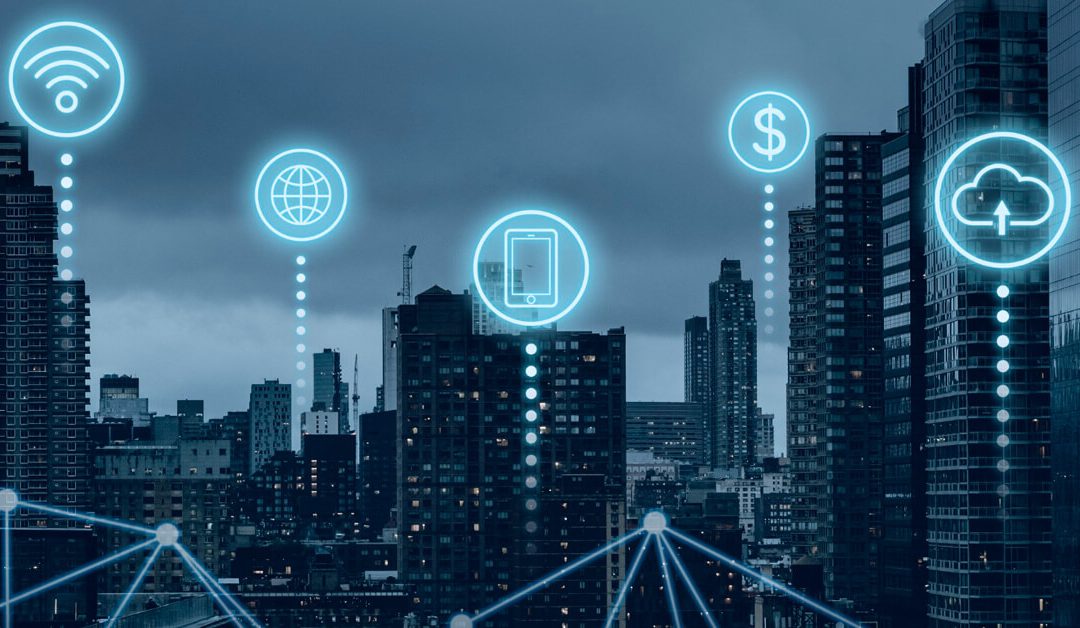
The term IoT, or Internet of Things, refers to the collective network of connected devices and the technology the facilitates communication between devices and the cloud, as well as between the devices themselves. These smart devices are digitally connected through chips embedded with Internet connectivity. The main components that make this work are: sensors/device, connectivity (Internet), data processing and the user interface. In this article, we evaluate the impact of IoT on IT systems and networks as we are in the phase of having more devices connected to the Internet.
IoT examples include connected cars, security systems, retail, healthcare monitors, manufacturing systems, cities, smart appliances and agricultural equipment.
Benefits of IoT
- Enhanced efficiency and automation: By collecting real-time data from sensors and devices, IoT enables automated processes and data-driven critical decision-making for organizations. This can optimize resource allocation, reduce wastage, and improve overall operational efficiency hence saving corporations lots of money.
- Improved monitoring and maintenance: With continuous monitoring capabilities like Internet-connected cameras, IoT helps identify potential issues before they become critical failures more so when the available human resource is limited or constrained by the frequency of evaluation and processing. This allows for predictive maintenance, reducing downtime and associated costs.
- New avenues for innovation: The vast amount of data generated by IoT devices provides valuable insights for developing new products, services, and business models. It opens doors for personalized experiences, smarter infrastructure, and data-driven solutions across various sectors.
Challenges of IoT on Networks
The Internet of Things (IoT) is rapidly transforming the world, connecting billions of devices and sensors to the Internet, creating a large network of data-generating devices. With that in mind, we have to understand that the technology is having a profound impact on the IT systems and networks, bringing both opportunities and significant challenges more so in data, privacy and security being a major concern, hence, the impact of IoT on IT systems and networks cannot be overlooked.
- Increased complexity: Managing a growing network of diverse devices adds complexity to IT systems. Standardizing protocols, ensuring interoperability, and integrating data from various sources require careful planning and robust infrastructure.
- Security concerns: Connecting numerous devices expands the attack surface, making networks more vulnerable to cyberattacks. Securing these devices and implementing robust authentication and encryption protocols are crucial.
- Data privacy and compliance: Collecting and processing large amounts of personal data raises privacy concerns. Organizations need to comply with data privacy regulations and ensure transparent data use practices.
- Network bandwidth and storage: The continuous data flow from IoT devices can strain network bandwidth and storage capacity. Upgrading infrastructure and implementing efficient data management strategies are essential.
NB: According to Cisco’s Annual Internet Report, there are about 30 billion networks of connected devices and connections, up from 18.4 billion in 2018. Of those, IoT devices account for about half (14.7 billion) of all networked devices as of 2023, compared to 33% (6.1 billion) in 2018.
The IoT will require a network that can handle increased demand for data analytics, agility, and security. There can be no IoT without the network to support it. Sensors and gadgets will gather increasingly vast amount of data. But the IoT is more than just devices and displays; the amount of data gathered will seriously impact the network, and the networking industry needs to evaluate possible implications. Areas that will be impacted by the network include data analytics, the need for agility within the network and security of all the interconnected devices on the Internet.
These are which will be impacted can be improved upon as the number of devices keeps on increasing exponentially. Below is an overview of how these areas are most affected by the challenges posed by IoT.
Data
The number of sensors on the different IoT devices will create large amounts of data that will need to be processed. For example, real-time promotions can be sent by analyzing sensor data and customers’ buying preferences. With such increased data production, there will be a need for business intelligence to extract information for use to efficiently utilize the same data in real-time.
With such increased complexity in the data collected, there is a likelihood of network strain as the number of connected devices puts immense pressure on network infrastructure demanding higher bandwidth and capacity.
The continuous data stream from the IoT devices requires robust data storage and processing capabilities meaning high computing and processing power for computing systems, fast data bus connections, faster drives for read and write operations, and faster Internet connection speeds.
The diversity of the integrated devices and the networking protocols in existing IT systems will create a nightmare in data processing and compatibility issues to ensure connections are working and data is being communicated without hinderance of the technologies in use. This heterogeneity will ensure data transfer and processing among diversely different technologies in use.
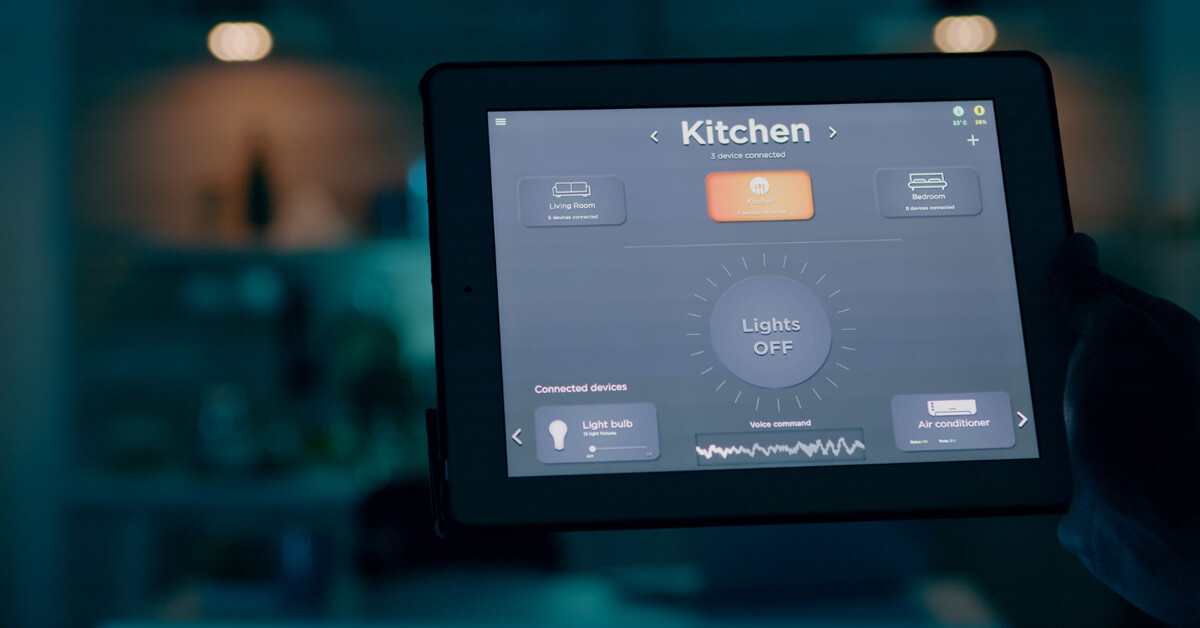
It should be noted that the IoT is not just confined to consumer devices. The workplaces too have different categories of IoT devices being used. These include devices like a 4K video camera with Edge intelligence and geofencing applications. Others may be air conditioning devices that are managed with intelligence based on the entrance and exit times of employees
IT Networks
As with deep analytics requiring distributed datacenters and real-time response to events, fast and agile IT networks will be crucial to enable handling and transfer of such data in real-time and analysis of the same.
To effectively navigate the issues of IoT on the traditional IT networks. Organization will need to upgrade networks and storage solution to handle the increased load and data volume. This transformation to better networks will come with a need to adopt robust security measures including implementation of authentication, encryption and vulnerability monitoring, and best practices management.
With the IoT will also come the need to have an expert IT staff to manage such networks and devices with the data concerns on the same. There is a need also to embrace set industry-standard protocol to ensure seamless integration and communication among the connected devices and available tradition IT equipment and amongst the different IoT themselves.
Security
The hyper-connectivity presented by the IoT will threaten individuals and organizations alike. The need to protect against inevitable threats to the devices will become a norm. This means, without proper security, the devices present an opportunity for exploitation by both hackers and business rivals.
The increased devices allow for a plethora of networked devices attack surface expansion to cyber threats. Additionally, the issue of data privacy, knowing how to protect sensitive data collected by the IoT devices requires tight security measures and regulations.
An issue of device vulnerability from outdated software and the fact that most of these devices have limited computing power makes them vulnerable to attacks. Furthermore, normal users overlook simple outlined security measures to secure their devices including changing of default usernames and passwords, using different passwords, updating software, using security monitoring software (anti-malware) or sharing security and personal details with unauthorized individuals.

Why Policy Matters
NB: By extending Software-Defined Access (SD-Access) to these IoT environments and using AI-enabled analytics, IT can identify, classify and put otherwise unclassified devices into groups and apply policy that minimizes the security risk of connecting any new devices.
The ability to classify, apply policy and control the rapid changes and growth of IoT devices is key in a couple of different ways:
- Using AI-driven classification can help identify devices that need protection of costly security solutions as opposed to devices that are more inexpensive (sensors, monitors)
- Automated device classification and policy-based automation allows IoT segments and microsegments to be efficiently created and managed by device and by application groups.
- Policy-based automation allows segments and microsegments to be created dynamically, and managed based on user and application groups allowing networks to form a zero-trust barrier to attacks and threats.
In Conclusion
The IoT revolution presents both challenges and opportunities for IT systems and networks, but it’s through proactive strategies that organizations can leverage the power of IoT to enhance efficiency. Optimize operations, and unlock new possibilities, while ensuring a robust security and data privacy.
Organizations need to prepare adequately for the eventual impact of IoT on the IT systems and networks by:
- Upgrading the network to higher connection speeds, better computing networking devices and improvement on storage solutions to handle the increased load and the huge amount of data transfer and processing.
- Adopt robust security measures
- Incorporate standardized communication protocols
- Train IT staff on use, configuration, monitoring, securing of IoT devices and the overall data security of the devices.