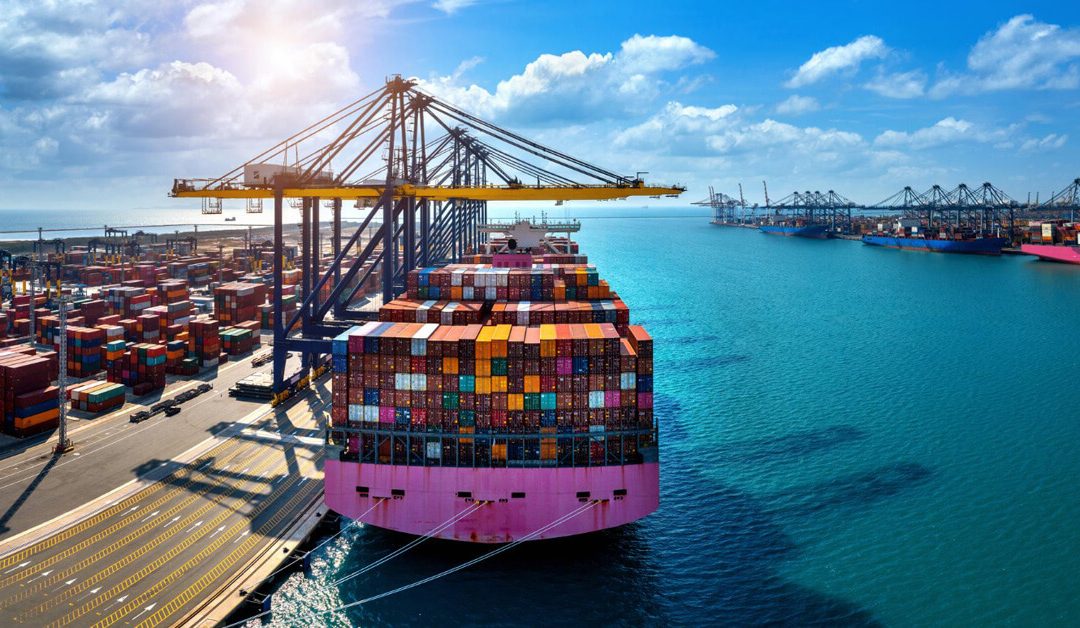
The demand for efficient and reliable cargo shipping has grown exponentially. With over 90% of global trade happening by sea, ports and shipping facilities have played a critical role in the world economy. We will explore the complex architecture and systems behind handling and shipping cargo across the globe.
Ports and Terminals
A port is a hub for receiving and sending ships and cargo. It connects sea transportation with land transportation, and the infrastructure around ports is designed to be seamless to ensure efficient handling of cargo. Ports differ greatly in size and capabilities. Some smaller ports can only accommodate a single ship at a time, while larger ports can handle multiple ships simultaneously.
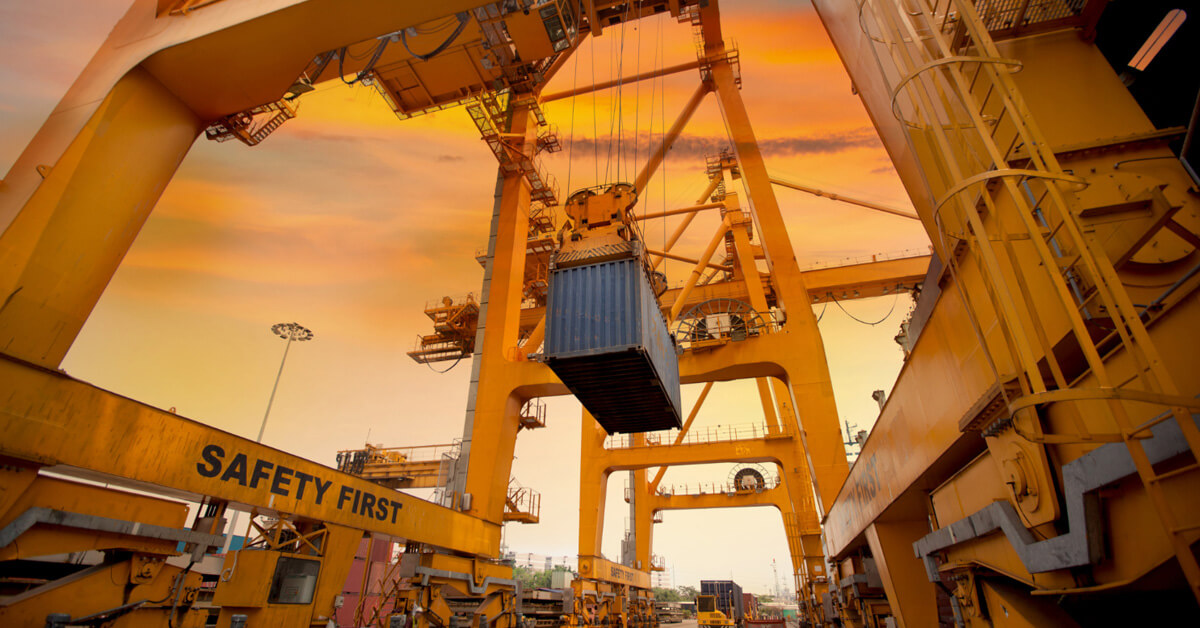
Containers are the most common type of cargo handled at ports. Modern ports have specialized cranes that lift containers from ships and quickly transfer them onto trucks or trains for further transport. This process, known as intermodal transport, reduces the time it takes to move cargo from ports to final destinations.
Shipping Containers
Shipping containers are the backbone of global trade. By standardizing container sizes and shapes, it is easier to handle cargo across different modes of transportation. These are three main types of shipping containers:
- Standard dry containers
- Refrigerated containers (reefers)
- Hazardous material containers
Shipping containers are designed to be extremely durable, as they must withstand harsh weather conditions, rough handling, and long voyages at sea. Containerized shipping has revolutionized the logistics industry by allowing cargo to be shipped faster, safer, and more reliably.
The Role of Technology
The increasing demand for cargo shipping has driven the development of advanced technology to improve efficiency and safety. Port management systems use real-time data to monitor cargo movements and coordinate the activities of different parties involved in the shipping process. IoT (Internet of Things) devices attached to shipping containers provide valuable data on location, temperature, humidity, and other environmental factors that impact cargo condition.
Autonomous ships and drones are also being explored as potential solutions to reduce human error and increase efficiency. For example, autonomous ships can navigate through narrow shipping channels more easily and avoid collisions with other ships.
New Developments in Cargo Shipping Technology
As the demand for cargo shipping continues to grow, new technological advancements are being developed to improve efficiency and safety. One of the most exciting developments is the use of blockchain technology to create a more secure and transparent supply chain. By using blockchain, all parties involved in the shipping process can access real-time data on cargo movements, reducing the risk of fraud or tampering.
A. Artificial Intelligence
Another promising development is the use of artificial intelligence (AI) to optimize shipping routes and reduce fuel consumption. AI algorithms can analyze weather patterns, traffic congestion, and other factors to determine the most efficient route for each shipment. This not only saves time and money but also reduces carbon emissions and supports sustainable shipping practices.
B. 3D Printing Technology
3D printing technology is being explored as a potential solution for on-demand manufacturing at sea. By using 3D printers on board ships, it may be possible to produce spare parts or other items needed during long voyages without having to rely on expensive and time-consuming supply chains. These developments are just a few examples of how technology is transforming the world of cargo shipping, making it faster, safer, and more sustainable than ever before.
C. Robotics and Automation
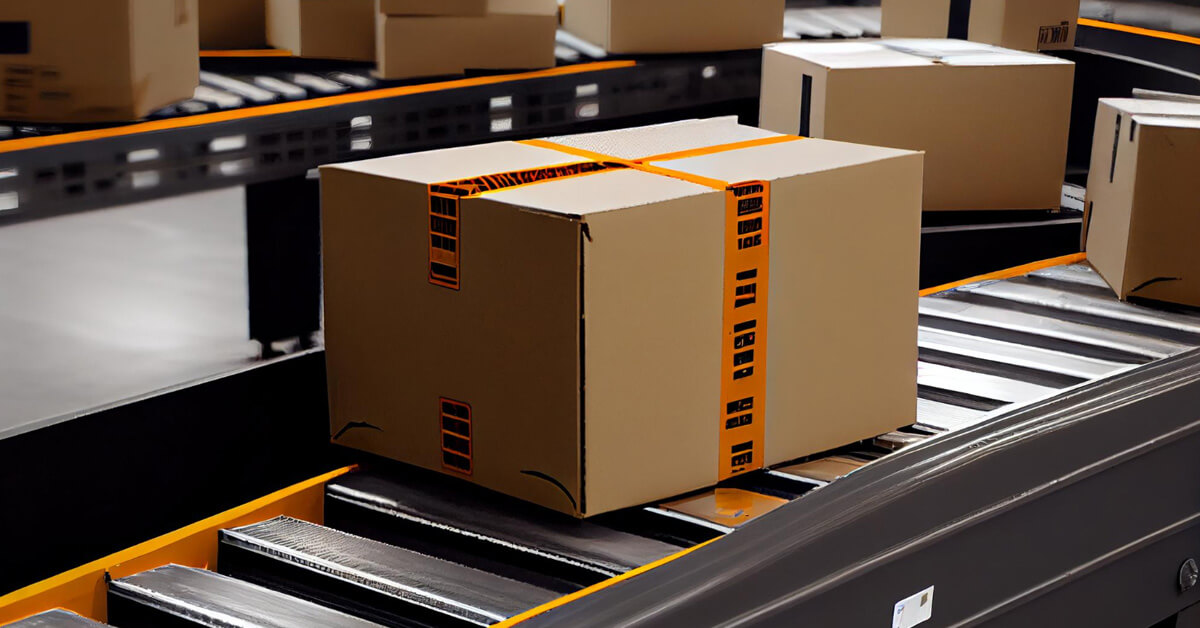
In addition to blockchain, AI, and 3D printing, there are other exciting developments in cargo shipping technology. One of these is the use of robotics and automation to streamline cargo handling processes. Automated cranes and conveyor systems can move containers more quickly and efficiently than human workers, reducing the risk of injury and improving overall efficiency.
D. Big Data Analytics
Another promising development is the use of big data analytics to optimize supply chain management. By analyzing large amounts of data on factors such as shipping routes, weather patterns, and customer demand, companies can make more informed decisions about how to allocate resources and improve their operations. This can lead to faster delivery times, lower costs, and increased customer satisfaction.
Conclusion
Finally, there is growing interest in the use of renewable energy sources for cargo shipping. Solar panels and wind turbines can be installed on ships to reduce reliance on fossil fuels and lower carbon emissions. Some companies are even exploring the use of hydrogen fuel cells as a clean energy alternative for powering ships. These innovations have the potential to transform the cargo shipping industry by making it more sustainable while also improving efficiency and safety.