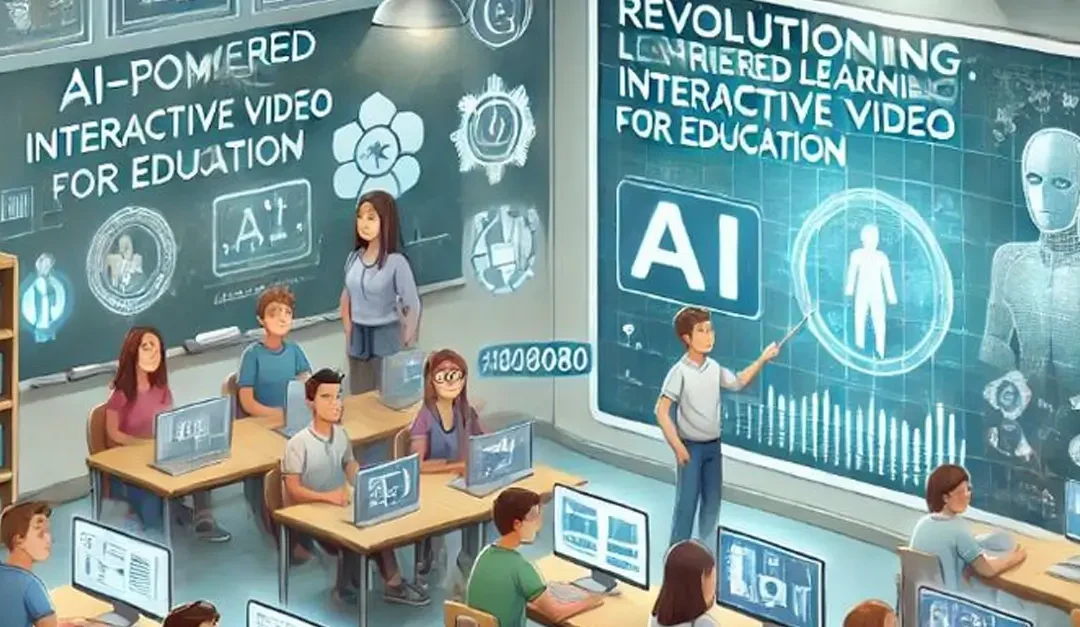
The education sector is undergoing a significant transformation, driven by rapid advancements in technology. Online learning, once considered a supplement to traditional classroom education, is now becoming an essential part of how we learn and teach. Educational technology (EdTech) has made it possible for learners to access high-quality education from anywhere in the world, breaking down barriers of location, cost, and even time. As more educational institutions adopt digital tools and platforms, it’s crucial to examine how EdTech is reshaping education and what the future holds for online learning.
In this article, we’ll explore the key drivers behind the rise of EdTech, the benefits and challenges of online learning, the role of emerging technologies like artificial intelligence (AI) and virtual reality (VR), and the potential of EdTech to make education more inclusive and accessible.
The Rise of Online Learning
Online learning has experienced a remarkable surge in recent years, with platforms like Coursera, Udemy, and Khan Academy becoming household names. The COVID-19 pandemic accelerated this shift, forcing schools, universities, and businesses to adapt to remote learning solutions almost overnight. While online education was already growing in popularity, the pandemic underscored the importance of having robust digital learning platforms that could deliver education effectively outside the physical classroom.

The accessibility and flexibility of online learning make it an attractive option for many. Whether you’re a working professional seeking new skills, a student looking to supplement traditional education, or someone in a remote area without access to top-tier schools, online education offers opportunities that were previously unattainable.
EdTech and the Democratization of Education
One of the most significant impacts of EdTech is the democratization of education. Traditional education systems often favor those with access to resources, be it elite schools, textbooks, or physical proximity to educational institutions. EdTech has the potential to level the playing field by making quality education accessible to a broader audience.
Many online platforms offer free or affordable courses from top universities and industry experts, allowing learners to gain valuable knowledge without the financial burden of tuition fees. Additionally, the global nature of online learning enables students from different backgrounds and cultures to access the same material, fostering diversity and collaboration.
For example, platforms like edX and Coursera partner with prestigious universities, offering courses that can lead to certificates or even degrees. This not only opens doors for learners from underrepresented communities but also allows professionals to upskill without sacrificing their careers.
Advantages of Online Learning and EdTech
1. Flexibility and Convenience
One of the most obvious advantages of online learning is flexibility. Students can study at their own pace, fitting education around their personal and professional commitments. This is particularly beneficial for working adults, parents, and those with irregular schedules. With 24/7 access to course materials, learners can engage with content when it’s convenient for them, breaking free from the rigid schedules of traditional classrooms.
2. Personalized Learning
EdTech platforms often incorporate adaptive learning technologies, such as AI and machine learning, which can tailor educational content to the individual needs of the student. This personalization ensures that learners are not overwhelmed or under-challenged, providing a more efficient and engaging educational experience. For example, platforms like Duolingo and Khan Academy use algorithms to adapt lessons based on a learner’s progress, making education more effective and personalized.
3. Access to a Global Network
Online learning offers students the chance to interact with peers and educators from around the world. This not only enriches the learning experience but also broadens perspectives and fosters global collaboration. Group projects, online discussions, and collaborative platforms enable students to learn from each other, regardless of geographic boundaries.

4. Cost-Effective Education
Higher education costs can be prohibitive for many. Online learning offers a cost-effective alternative to traditional education. Many platforms offer free courses or affordable payment options, allowing learners to gain high-quality education without the high price tag. Additionally, students save on expenses related to commuting, textbooks, and accommodation.
5. Lifelong Learning Opportunities
The rise of EdTech and online platforms has made it easier for individuals to engage in lifelong learning. No longer confined to formal education systems, people can now continue to upskill and reskill throughout their careers, keeping pace with the ever-changing demands of the workforce. This trend is particularly relevant in industries such as technology and healthcare, where continuous learning is essential to remain competitive.
Challenges of Online Learning and EdTech
While the advantages of EdTech are significant, there are also several challenges that need to be addressed for online learning to reach its full potential.
1. Lack of Physical Interaction
One of the most common criticisms of online learning is the absence of face-to-face interaction. In traditional classrooms, students benefit from direct engagement with teachers and peers, which can enhance learning and retention. While online platforms offer discussion forums and video calls, these interactions often lack the immediacy and depth of in-person discussions.
Furthermore, the lack of a physical presence can lead to feelings of isolation for some students, particularly those who thrive in social learning environments. Educators and platforms need to find ways to foster a sense of community in online courses to mitigate this challenge.
2. Digital Divide and Accessibility
While online learning has the potential to democratize education, it can also exacerbate the digital divide. Not everyone has access to reliable internet connections, computers, or mobile devices, particularly in underserved or rural areas. For online education to be truly inclusive, efforts must be made to provide equal access to technology for all learners.
Additionally, accessibility for students with disabilities is another challenge. While some platforms offer features like screen readers and closed captions, many still lack adequate support for students with visual, auditory, or physical impairments. Addressing these issues will be critical for ensuring that online education is inclusive.
3. Self-Motivation and Discipline
Online learning requires a high degree of self-discipline and motivation. Without the structure of a traditional classroom, students may struggle to stay on track and complete their courses. This is particularly true for younger learners, who may lack the time management skills required for online education. Educators and platforms must find ways to engage and motivate students, offering support and resources to help them succeed.
4. Quality Assurance and Accreditation
Another challenge in online learning is ensuring the quality of the education provided. While many online courses are created by reputable institutions and experts, others may lack the rigor and standards of traditional education. Accreditation is also a concern, as not all online programs are recognized by employers or educational institutions. Ensuring that online courses meet high academic standards will be essential for the credibility of EdTech.
The Role of Emerging Technologies in Online Learning
As online learning continues to evolve, several emerging technologies are playing a pivotal role in shaping the future of education.
1. Artificial Intelligence (AI)
AI is revolutionizing online learning by making education more personalized and efficient. Through data analysis, AI can assess a student’s strengths, weaknesses, and learning style, allowing for customized lesson plans and assessments. AI-powered chatbots and virtual tutors can also provide real-time support, answering questions and offering guidance to students as they progress through their courses.
In addition, AI is being used to automate administrative tasks, such as grading and feedback, freeing up educators to focus on teaching and curriculum development. As AI technology advances, it has the potential to transform online learning into a more interactive and adaptive experience.
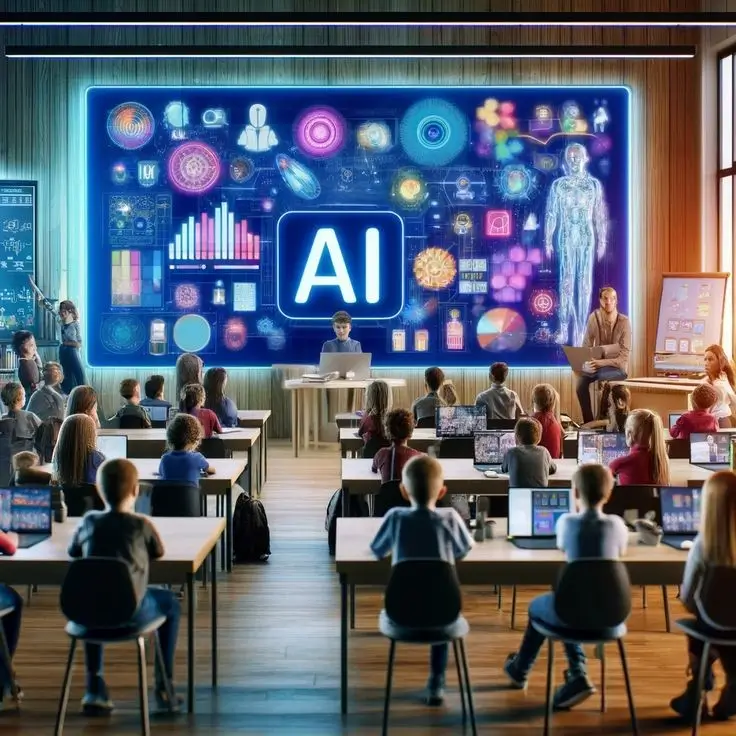
Example: Companies like Squirrel AI and Carnegie Learning are using AI to create personalized learning paths for students, helping them achieve better outcomes.
2. Virtual Reality (VR) and Augmented Reality (AR)
VR and AR are making online education more immersive and engaging by allowing students to interact with digital environments in ways that were previously impossible. VR can be used to create virtual classrooms, where students can participate in lessons as if they were physically present. This is particularly valuable for subjects that require hands-on learning, such as science experiments, medical training, or architecture.
AR, on the other hand, can enhance traditional learning materials by overlaying digital information onto the real world. For example, students can use AR to explore 3D models of historical landmarks, biological systems, or complex machinery, making abstract concepts more tangible.
Example: Google Expeditions allows students to take virtual field trips to places like the Great Wall of China or the surface of Mars, providing an interactive learning experience.
3. Gamification
Gamification is the integration of game elements into educational content to increase engagement and motivation. Many EdTech platforms use gamification techniques, such as quizzes, leaderboards, and rewards, to make learning more interactive and enjoyable. Gamification can be particularly effective for younger students, who may find traditional online courses monotonous.
By incorporating elements of competition and achievement, gamification can encourage students to stay motivated and complete their courses.
The Future of Online Learning: What’s Next?
As EdTech continues to evolve, the future of online learning looks promising. Several trends and innovations are likely to shape the next phase of this transformation.
1. Hybrid Learning Models
While online education has proven its value, many believe that the future of education will be a hybrid model that combines online and in-person learning. This approach allows students to benefit from the flexibility of online education while still enjoying the social and interactive aspects of traditional classrooms. Hybrid learning models can offer the best of both worlds, catering to different learning styles and preferences.
2. Lifelong Learning and Micro-credentials
As the workforce becomes increasingly dynamic, the demand for lifelong learning will continue to grow. Many professionals are turning to online platforms to gain new skills and certifications that are relevant to their careers. Micro-credentials, such as certificates and badges, are becoming more popular as they allow individuals to demonstrate specific competencies without committing to a full degree program.
In the future, we can expect to see more organizations and industries recognizing the value of microcredentials, leading to new opportunities for career advancement.
3. Focus on Soft Skills and Emotional Intelligence
While technical skills are essential, there is a growing recognition of the importance of soft skills, such as communication, teamwork, and emotional intelligence. Online platforms are beginning to offer courses that focus on developing these skills, which are increasingly in demand in the workplace. In the future, EdTech will play a key role in helping learners develop both hard and soft skills, ensuring they are well-rounded and prepared for the challenges of the modern workforce.
Conclusion
The future of online learning is bright, with EdTech transforming how we access, consume, and interact with education. While there are still challenges to overcome, the advantages of online learning are undeniable. As technology continues to evolve, we can expect online education to become even more personalized, immersive, and accessible. Whether through AI, VR, or gamification, the future of learning is undoubtedly digital, offering new opportunities for students, educators, and institutions worldwide.
To learn more about how EdTech is transforming education, explore the following resources:
EdTech Magazine: A comprehensive resource for the latest trends and innovations in educational technology.
Coursera: Access to online courses from top universities and organizations.
Khan Academy: Free online courses, lessons, and practice for learners of all ages