As the world continues to transition towards more sustainable forms of energy, electric vehicles (EVs) are emerging as one of the key solutions to reduce greenhouse gas emissions and combat climate change. With many countries aiming to phase out fossil-fuel-powered cars in the near future, the importance of having a robust electric vehicle charging infrastructure is becoming increasingly critical. However, as promising as the transition may seem, the growth of EVs is not without its hurdles. One of the main challenges lies in developing an efficient and widespread charging infrastructure that can support the growing demand for electric vehicles. Alongside these challenges, however, are significant opportunities to innovate and create a more sustainable future for transportation.
The Growing Demand for Electric Vehicles
Electric vehicle adoption has skyrocketed over the last decade, driven by advancements in battery technology, government incentives, and increasing consumer demand for environmentally friendly alternatives. According to the International Energy Agency (IEA), the number of EVs on the road surpassed 10 million globally in 2020, and this number is expected to grow exponentially as more countries commit to reducing their carbon footprint. However, for this growth to be sustained, a reliable and accessible charging infrastructure is crucial.
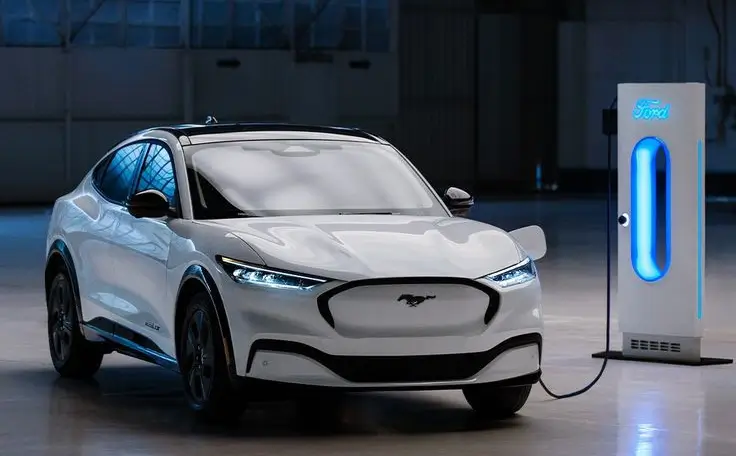
Types of EV Charging Stations
Electric Vehicle charging infrastructure is divided into several categories based on the type and speed of the charging station. These categories include Level 1, Level 2, and DC fast charging (also known as Level 3).
- Level 1 Charging: This is the slowest type of EV charging, typically using a standard 120-volt outlet, which can take up to 24 hours or more to fully charge an EV. It is mainly suitable for home use.
- Level 2 Charging: Level 2 chargers operate at 240 volts, offering significantly faster charging times. These chargers can charge an EV in 4 to 6 hours and are commonly found at public charging stations and in homes with dedicated charging units.
- DC Fast Charging (Level 3): The fastest type of EV charging, DC fast chargers can charge an electric vehicle to 80% in as little as 20 to 30 minutes. However, these chargers are more expensive to install and are typically found along highways and in urban areas.
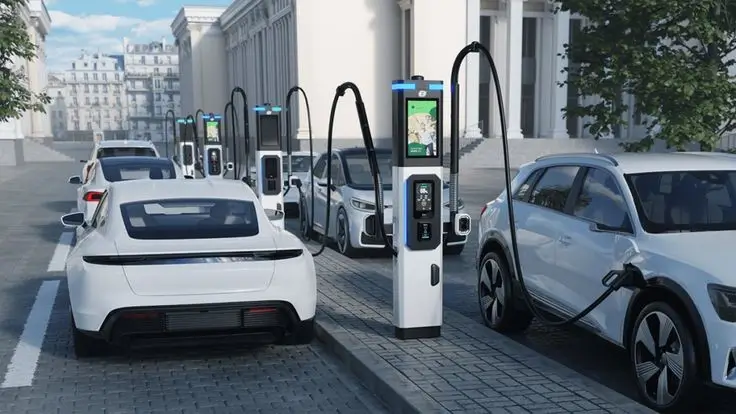
Each of these charging levels plays a role in the overall infrastructure, and determining the right balance of charging options is key to supporting the diverse needs of EV users.
Challenges Facing EV Charging Infrastructure
While the potential for widespread EV adoption is high, several challenges need to be addressed to ensure that the charging infrastructure can keep up with demand.
1. Geographic Coverage and Accessibility
One of the biggest challenges is ensuring geographic coverage, particularly in rural and remote areas. While urban centers are increasingly outfitted with public charging stations, rural areas still lack adequate infrastructure. Drivers in these areas may experience “range anxiety,” the fear that their EV will run out of battery before reaching a charging station. This fear can be a significant barrier to EV adoption in areas with sparse charging options.
2. Charging Time
While the speed of DC fast chargers has improved, they are still not as fast as refueling a gasoline-powered vehicle. This extended charging time can be an inconvenience for drivers, particularly those on long road trips. Reducing charging time will require further advancements in battery technology and faster charging solutions, but these are still in development.
3. High Costs of Infrastructure Development
Installing EV charging stations, especially DC fast chargers, can be expensive due to the need for specialized equipment and electrical infrastructure. The high upfront costs can deter businesses and local governments from investing in charging infrastructure, slowing the pace of deployment. Moreover, the profitability of charging stations is still uncertain as the EV market is still maturing.
Opportunities for Growth and Innovation
Despite the challenges, the EV charging industry presents numerous opportunities for innovation and growth. Governments, businesses, and innovators can play a crucial role in overcoming these challenges and accelerating the transition to electric mobility.
1. Government Policies and Incentives
Governments worldwide are stepping up to support the development of EV infrastructure through various incentives and policies. For instance, countries like Norway, the Netherlands, and China offer subsidies for the installation of home and public charging stations. Moreover, the Biden administration in the United States has announced plans to invest $15 billion in EV infrastructure, aiming to build 500,000 charging stations by 2030.
These incentives can help reduce the cost burden for businesses and municipalities while accelerating the rollout of public charging stations.
2. Renewable Energy Integration
Another significant opportunity lies in integrating renewable energy sources into EV charging infrastructure. Solar-powered charging stations and wind energy are two possibilities that can reduce the environmental impact of EVs even further. Charging networks powered by renewable energy can offer a cleaner alternative to traditional electricity grids, aligning with the goal of reducing carbon emissions.
3. Private Sector Innovation
The private sector is also playing a key role in the development of EV charging solutions. Companies like Tesla, ChargePoint, and Electrify America are investing heavily in expanding their charging networks. Tesla’s Supercharger network, for example, now covers a significant portion of North America, Europe, and parts of Asia. Meanwhile, companies are developing new technologies to make charging faster and more convenient, such as wireless charging systems and battery-swapping solutions.
The Role of Public and Private Partnerships
Public-private partnerships are increasingly recognized as a critical component in the development of EV infrastructure. Governments can provide the regulatory framework and financial incentives, while private companies bring the technical expertise and innovation. This collaboration can accelerate the deployment of charging stations in both urban and rural areas, ensuring that no region is left behind in the transition to electric mobility.
For example, partnerships between automakers, utilities, and charging station operators are enabling the development of smart grids that can balance energy demand and reduce the strain on the power grid.
Future Trends in EV Charging
As the EV market continues to evolve, so will the charging infrastructure that supports it. Some key trends to watch in the coming years include:
1. Ultra-Fast Charging
Researchers and companies are working on the next generation of ultra-fast chargers that can reduce charging times to just a few minutes. For example, Porsche has introduced an 800-volt charging system that can charge a Taycan to 80% in less than 20 minutes. The continued development of ultra-fast charging will make EVs even more convenient for drivers.
2. Vehicle-to-Grid (V2G) Technology
V2G technology allows EVs to send power back to the grid during peak demand, turning electric vehicles into mobile energy storage units. This technology not only helps stabilize the power grid but also provides EV owners with the potential to earn money by selling electricity back to the grid.
3. Smart Charging
Smart charging systems that use artificial intelligence (AI) and data analytics to optimize charging times, locations, and energy sources are another emerging trend. These systems can help reduce costs and maximize efficiency by charging vehicles when electricity is cheapest and least carbon-intensive.
Conclusion: A Roadmap for the Future
The development of electric vehicle charging infrastructure is essential to the widespread adoption of EVs and the reduction of global carbon emissions. While there are challenges to overcome, the opportunities for innovation and growth in this sector are immense. By leveraging government policies, private-sector innovations, and advancements in renewable energy, the EV charging infrastructure can evolve to meet the needs of a sustainable future.
References
- International Energy Agency (IEA) – Global EV Outlook 2021
Learn more about the global trends in electric vehicle adoption and infrastructure development. - McKinsey & Company – Charging ahead: Electric-vehicle infrastructure demand
A comprehensive analysis of the challenges and opportunities in scaling EV charging infrastructure globally.