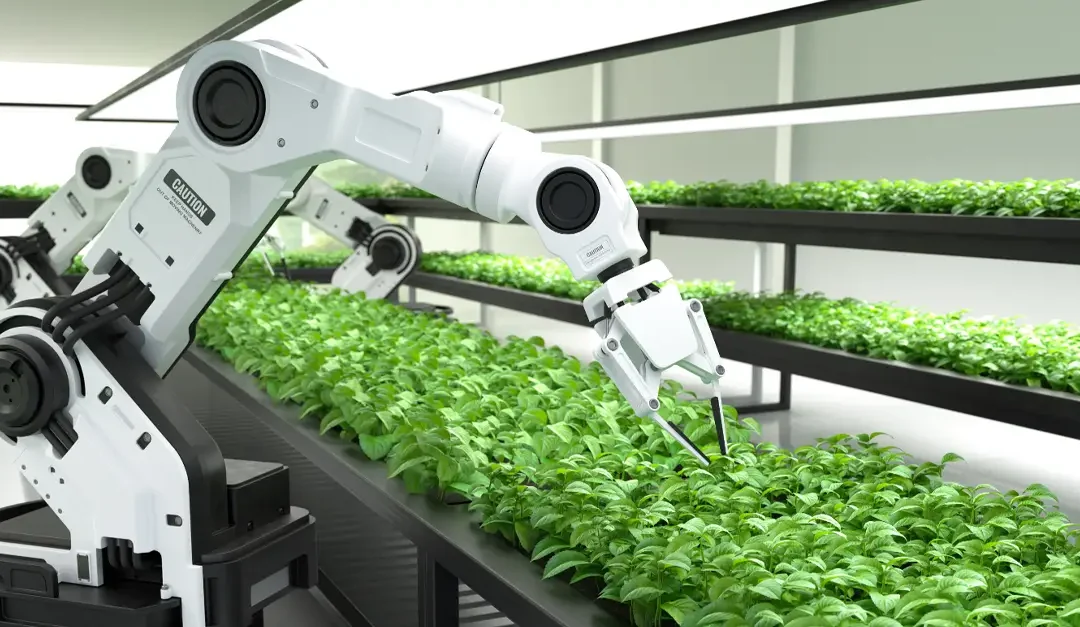
The farming sector has long been the backbone of human civilization, providing the essential food and raw materials for societies around the world. However, as the global population continues to grow, the agricultural industry faces increasing challenges in meeting the rising demand for food. At the same time, farmers must contend with environmental concerns such as climate change, soil degradation, and water scarcity. Fortunately, technological advancements are revolutionizing agriculture, offering innovative solutions to enhance productivity, sustainability, and food security.
In this blog post, we will explore the transformative role of technology in the farming sector, highlighting key innovations, their benefits, and the challenges that come with adopting new technologies. We will also examine how technology is shaping the future of farming and discuss its potential to create a more resilient, sustainable, and efficient agricultural industry.
The Changing Landscape of Farming
Historically, farming practices have evolved gradually, with each generation building on the knowledge and techniques of the past. However, the pace of change has accelerated in recent decades due to rapid advancements in technology. This transformation is driven by several factors, including the need to increase food production to feed a growing global population, the push for more sustainable farming practices, and the desire to improve efficiency and reduce costs.
Technology in farming is not just about the use of machines and tools; it encompasses a wide range of innovations, from the development of precision agriculture techniques to the integration of data analytics and artificial intelligence (AI). These technological advancements are helping farmers overcome challenges, optimize their operations, and make more informed decisions.
Key Technologies Shaping the Future of Farming
1. Precision Agriculture
Precision agriculture is one of the most significant technological innovations in modern farming. It involves using data-driven techniques to monitor and manage farm operations more precisely, reducing waste and increasing efficiency. This approach relies on the use of sensors, GPS technology, drones, and satellite imagery to collect real-time data about crops, soil conditions, and weather patterns.
Farmers can use this data to make better decisions about irrigation, fertilization, pest control, and crop rotation. For example, by using soil sensors, farmers can determine the exact moisture levels in different parts of a field and apply water only where it is needed, reducing water waste and improving crop yields. Similarly, GPS-guided tractors and harvesters can plant and harvest crops with incredible accuracy, reducing fuel consumption and minimizing the risk of over-planting or under-planting.
2. Drones in Agriculture
Drones are increasingly being used in agriculture for tasks such as crop monitoring, soil analysis, and irrigation management. Equipped with high-resolution cameras and sensors, drones can capture detailed images of fields, allowing farmers to identify potential issues such as pest infestations, nutrient deficiencies, or crop diseases. This enables farmers to take corrective action before problems become widespread, improving both crop health and yield.
Drones can also be used for precision spraying, applying pesticides, fertilizers, or herbicides only where needed. This targeted approach not only reduces the amount of chemicals used but also minimizes their impact on the environment.
3. Artificial Intelligence and Machine Learning
Artificial intelligence (AI) and machine learning are increasingly being incorporated into agriculture to analyze vast amounts of data and provide actionable insights. By processing data from sensors, weather forecasts, and satellite images, AI systems can predict crop performance, detect diseases, and recommend optimal planting schedules.
Machine learning algorithms can also be used to identify patterns in crop health, soil composition, and weather conditions, allowing farmers to make more accurate predictions and optimize their practices. For instance, AI can predict the likelihood of a pest infestation based on historical data and weather patterns, enabling farmers to take preventive measures before damage occurs.
AI-powered robots are also being developed to automate various tasks in farming, such as planting, weeding, and harvesting. These robots can work autonomously, reducing the need for manual labor and increasing efficiency on farms.
4. Gene Editing and Biotechnology
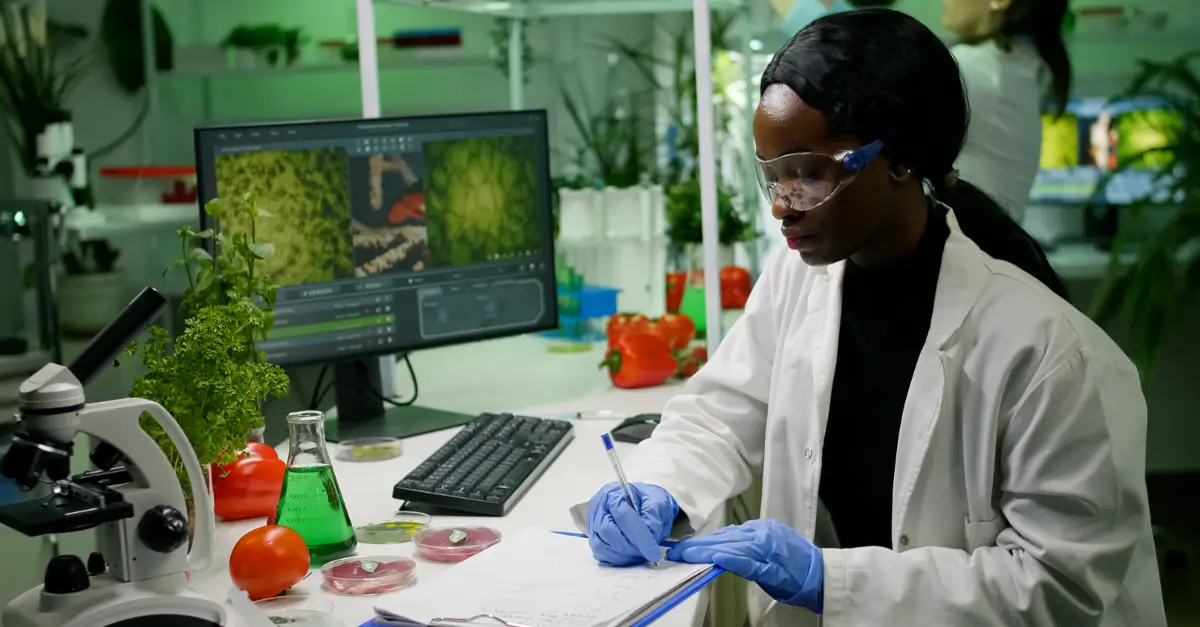
Biotechnology has played a crucial role in improving crop varieties and livestock breeds. Genetic modification (GM) has been used for decades to develop crops that are resistant to pests, diseases, and environmental stresses. Recently, gene editing technologies like CRISPR-Cas9 have further revolutionized biotechnology by enabling precise modifications to an organism’s DNA.
With gene editing, researchers can create crops that have enhanced resistance to drought, pests, and diseases, which is particularly important in regions that are prone to extreme weather conditions. These crops can help improve food security by ensuring more stable yields in the face of climate change. Additionally, gene editing can increase the nutritional content of crops, providing better-quality food to populations around the world. In livestock farming, genetic advancements have led to the development of animals that grow faster, have better feed conversion ratios, and are more resistant to diseases. These innovations are helping farmers increase productivity while reducing the environmental impact of animal agriculture.
5. Automation and Robotics
Automation and robotics are transforming the way farming operations are carried out. Robots are now being developed to perform a variety of tasks, from planting and weeding to harvesting and packing. These machines can operate autonomously, reducing the need for human labor and increasing the precision of tasks.
For example, robotic systems can be used to identify weeds and remove them without damaging crops, reducing the need for herbicides. Similarly, automated harvesters can pick fruit and vegetables with greater accuracy than human workers, ensuring that crops are harvested at the optimal time and reducing food waste.
Automation is also being used in livestock farming to improve efficiency in feeding, milking, and monitoring animal health. Automated milking systems, for example, allow cows to be milked at their convenience, improving both cow welfare and milk production.
6. Internet of Things (IoT) in Agriculture
The Internet of Things (IoT) refers to the network of connected devices that communicate with each other to share data and perform tasks. In agriculture, IoT devices can be used to monitor various factors that affect crop and livestock health, such as temperature, humidity, soil moisture, and animal activity.
IoT sensors can be placed in fields, greenhouses, or barns to gather real-time data, which can then be analyzed to make informed decisions about irrigation, fertilization, and pest control. For example, IoT sensors can monitor the health of livestock by tracking their movements, feeding patterns, and body temperature, allowing farmers to detect early signs of illness or distress.
By integrating IoT into farm management systems, farmers can gain a more comprehensive understanding of their operations and make adjustments in real-time to optimize productivity and reduce waste.
7. Blockchain in Agriculture
Blockchain technology, best known for its use in cryptocurrency transactions, is also finding applications in the farming sector. In agriculture, blockchain can be used to improve transparency and traceability throughout the supply chain. By recording every transaction on a decentralized, immutable ledger, blockchain enables consumers, producers, and retailers to track the origin and journey of food products from farm to table.
This can help address issues such as food fraud, contamination, and inefficiency in the supply chain. Consumers can verify the authenticity of organic or sustainably sourced products, while farmers and retailers can ensure fair payment and reduce the risk of fraud. Blockchain can also help streamline payment systems, ensuring faster and more secure transactions.
The Benefits of Technology in Farming
The integration of technology in the farming sector offers numerous benefits, both for farmers and for society as a whole. Some of the key advantages include:
1. Increased Productivity and Efficiency
Technology enables farmers to optimize their operations, reducing waste and improving efficiency. Precision agriculture, automation, and robotics allow farmers to plant, irrigate, fertilize, and harvest crops with greater accuracy, resulting in higher yields and lower costs.
By using data-driven decision-making, farmers can optimize resource use, such as water, fertilizers, and pesticides, leading to increased productivity without straining natural resources.
2. Sustainability and Environmental Benefits
Technology plays a critical role in promoting sustainable farming practices. By reducing the use of chemicals, water, and energy, farmers can minimize their environmental impact. Precision irrigation systems, for example, ensure that water is used efficiently, reducing waste and conserving this precious resource.
Similarly, the use of drones, AI, and robotics can help minimize the need for chemical pesticides and fertilizers, reducing pollution and preserving soil health. Genetically modified crops that are resistant to pests and diseases can also reduce the need for harmful chemicals, further benefiting the environment.
3. Improved Food Security
As the global population continues to grow, technology can help ensure that there is enough food to meet the demand. By increasing productivity, improving crop resilience, and reducing waste, technology can help address food insecurity in both developed and developing countries.
Additionally, innovations in biotechnology, such as drought-resistant crops, can help farmers adapt to changing climate conditions and ensure a stable food supply in the face of environmental challenges.
4. Enhanced Animal Welfare
In livestock farming, technology has the potential to improve animal welfare by providing better monitoring and management systems. IoT sensors can track the health and behavior of animals, allowing farmers to identify and address potential issues before they become serious problems.
Automation and robotics can also reduce stress on animals by providing more efficient and humane ways to handle them. Automated milking systems, for example, allow cows to be milked at their own pace, reducing stress and improving overall well-being.
The Challenges of Adopting Technology in Farming
Despite the numerous benefits, the adoption of technology in agriculture is not without its challenges. Some of the key barriers to widespread adoption include:
1. High Initial Costs
The upfront costs of acquiring and implementing new technologies can be prohibitive for many farmers, especially small-scale operations. While the long-term benefits of technology may outweigh the costs, the initial investment can be a significant hurdle.
2. Lack of Technical Expertise
Many farmers, particularly those in rural areas, may lack the technical knowledge or training to effectively use advanced technologies. Bridging this skills gap is essential to ensuring that farmers can fully harness the potential of new technologies.
3. Connectivity and Infrastructure Issues
In some regions, limited access to reliable internet and mobile networks can make it difficult to implement IoT devices, drones, or other data-driven technologies. Ensuring that farmers have access to the necessary infrastructure is crucial for the successful integration of technology in agriculture.
4. Data Privacy and Security Concerns
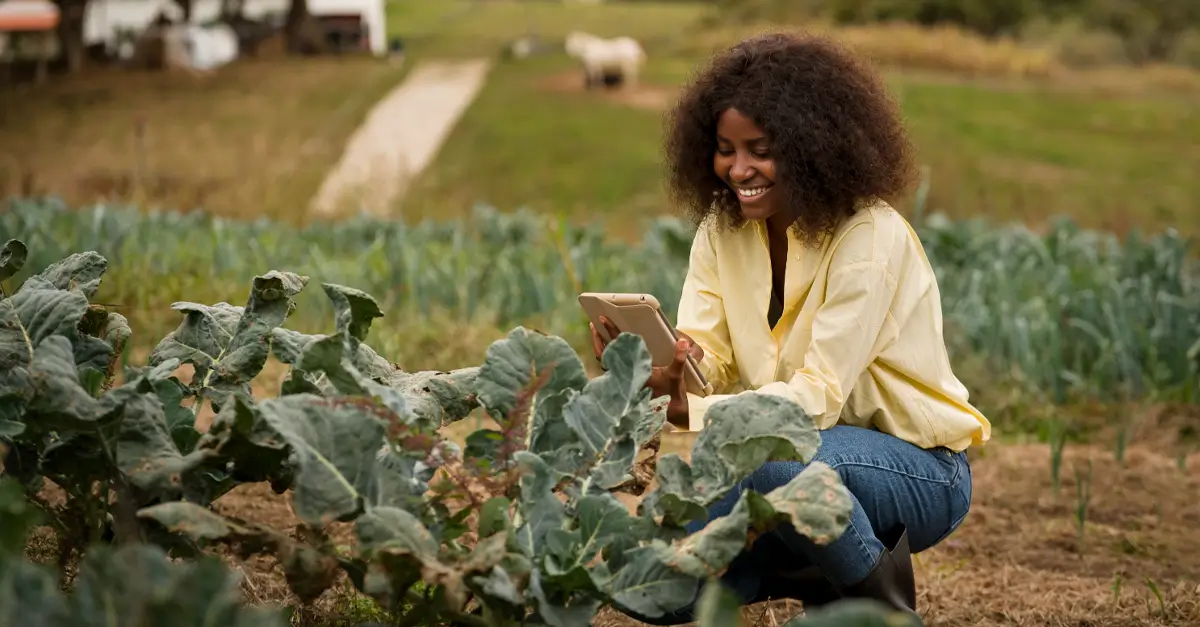
As farming becomes increasingly data-driven, concerns about data privacy and security are also rising. Farmers must ensure that their data is protected from cyberattacks or misuse, which may require investment in cybersecurity measures and collaboration with technology providers.
Conclusion: The Future of Technology in Farming
Technology is revolutionizing the farming sector, providing farmers with the tools they need to increase productivity, reduce environmental impact, and ensure food security for a growing global population. From precision agriculture and drones to AI, robotics, and gene editing, innovations are shaping the future of farming and transforming the way food is produced.
While there are challenges to overcome, such as high costs, technical barriers, and infrastructure limitations, the potential benefits of technology in farming are vast. As technology continues to advance and become more accessible, it is likely that the farming sector will continue to evolve, creating a more sustainable, efficient, and resilient agricultural industry for future generations.
The future of farming lies in the successful integration of technology, and with continued investment and innovation, agriculture can rise to meet the challenges of the 21st century.
Here are four references where you can read more about technology in the farming sector: