In the Kenyan financial landscape, mobile money has emerged as a game-changer, enabling its users to perform a lot of transactions like savings, lending, transferring money, and even insurance services directly using their smartphone devices. This innovation is a big part of Kenya’s digital change as it has enabled households to access and acquire financial services easily, thus improving financial inclusion dramatically. According to the report given by the survey conducted by AFI (2025), it shows that 84.8% of Kenyan adults are financially included, with 52.6% using mobile money daily, more than double the 23.6% reported in 2021. This rapid growth has empowered millions, particularly small-scale entrepreneurs, rural populations, women, and youth, by bridging longstanding access gaps and bringing financial tools within easy reach. In this article, I will elaborate on how mobile money is redefining financial inclusion in remote areas and how businesses and entrepreneurs can make good use of mobile money to better their objectives and goals.
Understanding Mobile Money
Mobile money refers to the digital finance service that is being delivered through mobile phones, thus allowing users to manage their finances without the need for traditional bankers. Mobile money uses simple interfaces like mobile applications and USSD codes so as to allow the customers access to credit products, savings, deposit money, make payments, and send and receive money.
Accessibility is one crucial feature that distinguishes mobile money from others in that even customers who own basic mobile phones and have limited connectivity can access the features offered by mobile money. In Kenya, the leading mobile money platforms include M-Pesa and Airtel Money. These two platforms depend on the widespread use of agent networks to bridge the gap between digital finance and physical cash. This model has opened up financial access to millions, particularly in underserved or remote areas.
Regulatory and Legal Considerations
Mobile money is widely used in Kenya, but it’s also closely regulated to keep the system safe, protect users, and stop fraud. If you’re an entrepreneur and a business owner who uses mobile money in your business, below are the regulators that regulate mobile money:
- Central Bank of Kenya (CBK)-This is the leading authority in charge. This body sets the rules for mobile money services, including licensing, how much you can send or receive, and how companies should manage risk.
- Data Protection Act (2019)-This law was mainly meant to protect people’s personal information, for instance, ID numbers, phone details, and transactions. In this case, businesses are required to keep this data safe and only use it responsibly.
- Anti-Money Laundering Laws– These laws aim to prevent crime by requiring businesses to know their customers and report any suspicious activity. They aim to stop the use of mobile money for illegal purposes.
Benefits for SMEs and Local Entrepreneurs
By lowering barriers to entry and improving access to financial tools, Mobile money has established a lot of entrepreneurs and small businesses in Kenya. Research done by Arun (2024) highlights the following benefits that companies and employees have acquired:
Fast Payments and Lower Transaction Costs
Mobile money enables real-time payments with lower transaction fees, eliminating the delays and operational difficulties associated with handling cash. Entrepreneurs can send and receive money instantly, settle supplier payments quickly, and manage customer transactions with greater ease.
As competition among mobile money providers grows, transaction fees and service structures continue to evolve, making digital payments reasonably more affordable and attractive to SMEs, especially those operating in informal markets.
Micro-Lending for Business Growth
A significant challenge for small businesses has been access to working capital, particularly those without formal credit histories and collateral. Mobile money platforms have stepped in with innovative microcredit products. Services like M-Shwari provide short-term loans directly through mobile wallets, and Overdraft products like Fuliza that offer flexible, instant credit for urgent expenses, thus supporting cash flow stability and helping businesses take advantage of sudden opportunities without disrupting operations.
Digital Wallets Streamline Operations
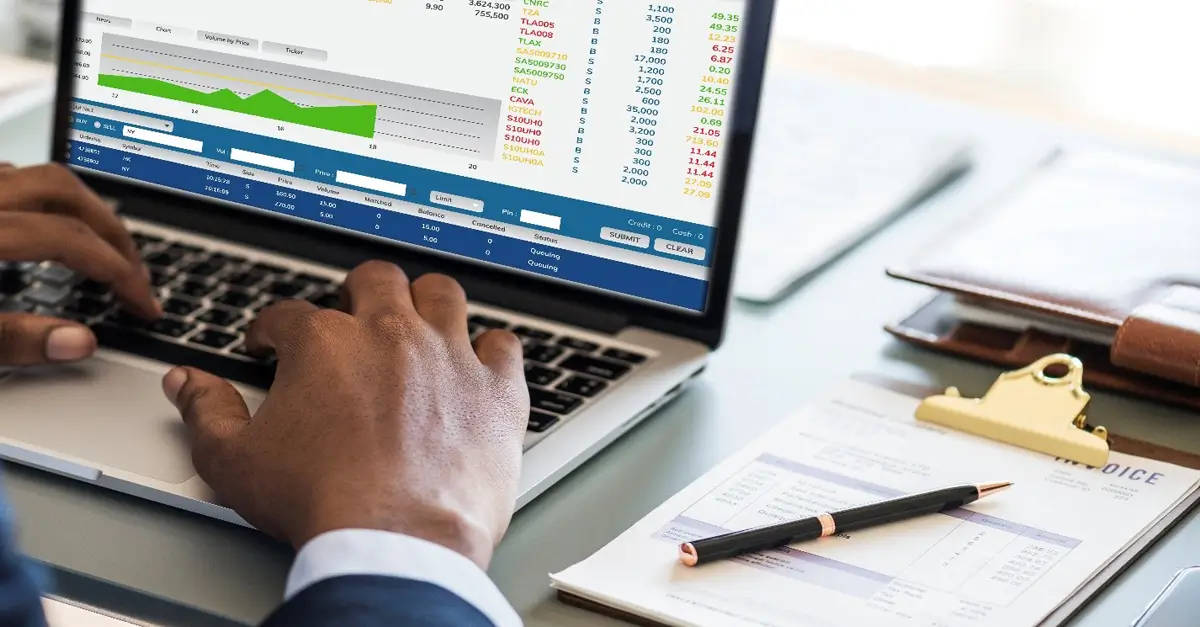
Mobile wallets offer significant operational benefits for SMEs beyond transactions and credit. They facilitate budgeting, financial tracking, and bookkeeping, as each payment or transfer is automatically recorded, creating a digital trail that business owners can use for budgeting, financial tracking, and bookkeeping. This reduces the reliance on manual systems and makes it easier to comply with tax requirements, apply for loans, or even register formally as a business.
Increased Market Reach and Customer Convenience
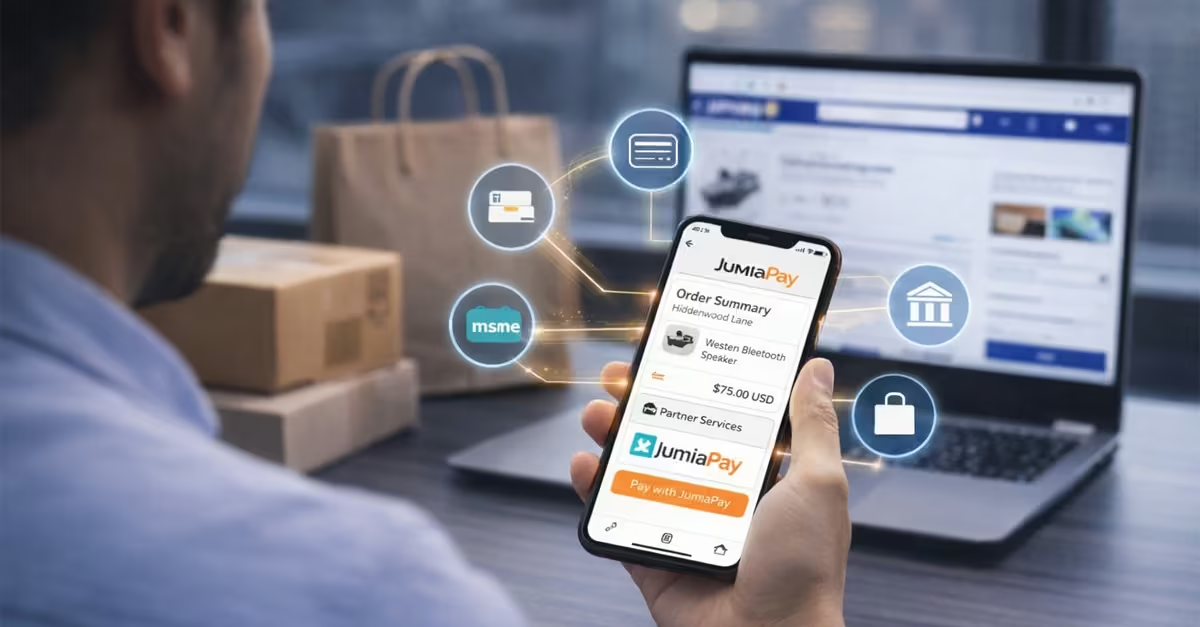
Businesses are no longer limited to local foot customers as they can sell products online, accept mobile payments from customers across the country, and even offer delivery services backed by instant payment confirmation due to the availability of Mobile money. This has enabled SMEs to serve a broader customer base by supporting remote and digital payments.
Business Continuity
Mobile money also plays a significant role in building financial resilience. It enables quicker recovery from income shocks through emergency loans, timely supplier payments, and the ability to continue transacting digitally even when physical infrastructure is compromised. This feature of mobile money ensures business continuity, even in the face of unexpected challenges, providing a sense of security and preparedness.
Read Also: The Impact of Inflation on Individual and Business Strategies
Actionable Strategies for Entrepreneurs
For entrepreneurs and small business owners, mobile money is more than a payment solution; it’s an entry to growth, stability, and new markets. To maximize its potential, here are key strategies that can help businesses fully leverage mobile financial tools:
Use Transaction Data to Build Creditworthiness
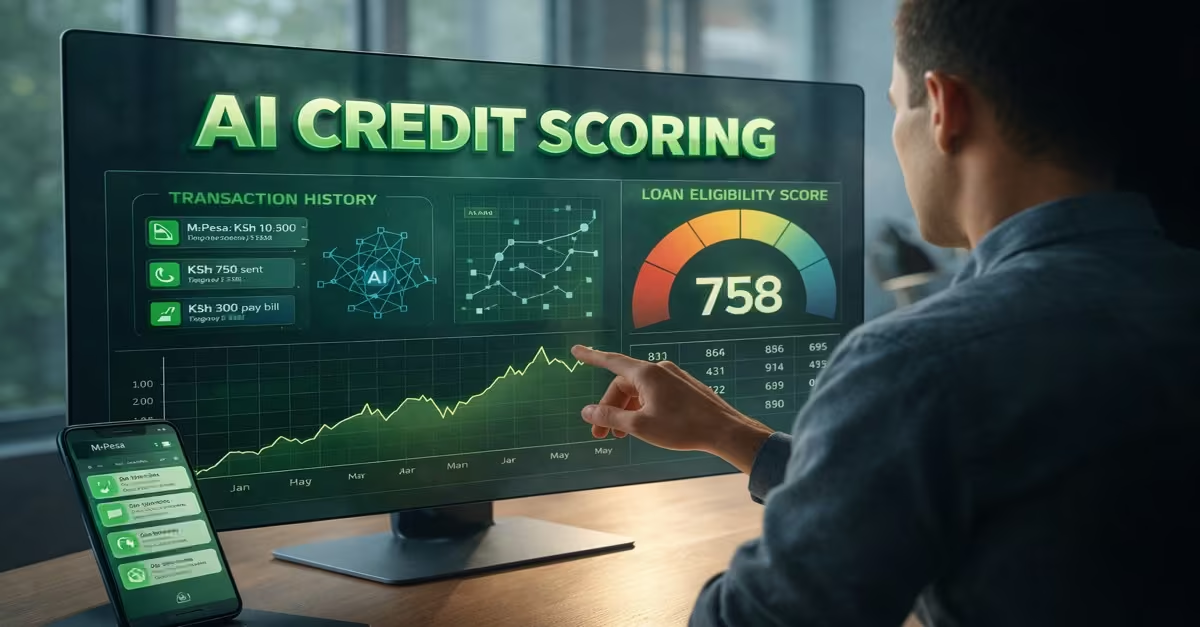
Treat every digital transaction as a step toward financial credibility. By consistently using mobile money for business-related payments such as supplier settlements, customer receipts, and salary disbursements, entrepreneurs create a digital financial history. Many mobile lenders and fintech platforms now use this data to assess creditworthiness, offering access to loans and overdrafts without traditional collateral.
Educate Customers on Digital Payments
Customer trust and participation are crucial to growing a mobile-first business. Entrepreneurs should take proactive steps to educate their clients on how to make digital payments, how to recognize fraud, and the benefits of cashless transactions. Clear signage, simple instructions, and even brief training during transactions can increase adoption and reduce payment friction.
Monitor Regulatory Updates and Compliance Requirements
The mobile money landscape is evolving rapidly, with frequent updates to Know Your Customer (KYC) requirements, transaction limits, taxation, and cross-platform interoperability rules. Entrepreneurs should stay informed through official updates, fintech communities, or service provider bulletins to ensure compliance. This helps avoid penalties, disruptions, or disqualification from future services like digital credit or government programs.
Read Also: Understanding Credit Scores in Kenya and Why They Matter to Entrepreneurs
Challenges and Limitations
Despite its transformative impact, mobile money in Kenya still faces several systemic and structural challenges that hinder its full potential. These limitations affect trust, access, and equity, especially among vulnerable and marginalized populations.
A. Fraud and Cybersecurity Risks

As mobile money platforms handle increasingly large volumes of transactions, they have become prime targets for cybercriminals. A good example is being given by Vincent (2025), which highlights that Kenya experienced a 201.7% surge in cyber-attacks, ranging from phishing scams and brute-force password attempts to SIM-swap fraud in early 2025. M-Pesa, which holds over 90% of the mobile money market share, remains especially vulnerable due to its scale.
B. Digital Illiteracy and Phone Access
Although mobile money has achieved widespread adoption, a large segment of the population still struggles with digital and financial literacy. According to a study done by Statskenya (2025), it shows that 42.1% of Kenyans are financially illiterate, limiting their ability to understand, trust, and effectively use mobile financial tools. Additionally, these gaps prevent full participation and risk deepening the digital divide between urban and rural populations.
C. Regulatory and KYC Constraints
While progress has been made in enabling coordination between services like M-Pesa and Airtel Money, regulatory challenges remain a stumbling block for many users. Strict Know Your Customer (KYC) requirements intended to prevent fraud and money laundering can unknowingly exclude individuals without formal identification
D. Infrastructure Gaps in Rural Areas
Reliable mobile money usage depends on access to stable mobile networks and electricity, both of which are still lacking in many rural and remote regions. Without consistent coverage or power, users face service interruptions, delayed transactions, and difficulty accessing mobile agents. Until coverage becomes more reliable, mobile money will remain inaccessible to some of the very populations it aims to empower.
E. High Transaction Costs for Small Users
While mobile money offers convenience, transaction fees can be disproportionately high for low-income users making frequent, small-value transactions, according to a study done by Deborah. Costs related to withdrawals, transfers, and payments, especially across different networks, can add up quickly and discourage regular use. For micro-entrepreneurs and daily wage earners, even small fees can become a barrier.
Tech Innovations Driving Financial Inclusion
The evolution of mobile money in Kenya has been accelerated by rapid technological innovation. These advancements are not only enhancing user experience but also deepening inclusion, particularly among groups that have long been excluded from the formal financial system. Below are the technology innovations.
Alternative Credit Scoring
Traditional banks rely heavily on formal credit histories and collateral factors that many low-income and informal workers lack. According to Cameron (2025), Platforms like M-KOPA are changing that by using alternative data such as airtime usage, phone behavior, repayment history, and even SMS activity to build dynamic credit profiles. This innovation allows users with no formal banking footprint to access loans, often within minutes, fostering financial inclusion for first-time borrowers and micro-entrepreneurs.
Feature-Phone & USSD Services
Smartphone penetration in Kenya is growing, but many people, especially in rural areas, still rely on basic feature phones. Unstructured Supplementary Service Data (USSD) technology remains crucial, enabling access to mobile money services through simple codes without internet access. These services work across all phone types and support functions such as transfers, bill payments, and balance checks. USSD ensures financial services remain accessible to the most remote users.
Agent Banking in Underserved Areas
Agent banking continues to be a crucial bridge between formal financial services and remote communities. Thousands of mobile money kiosks and authorized retail agents now offer services like cash deposits, withdrawals, bill payments, and account registrations. These agents play a key role in onboarding new users, building trust, and offering human support to those who are digitally or financially illiterate.
Embedded Finance and Ecosystem Integration
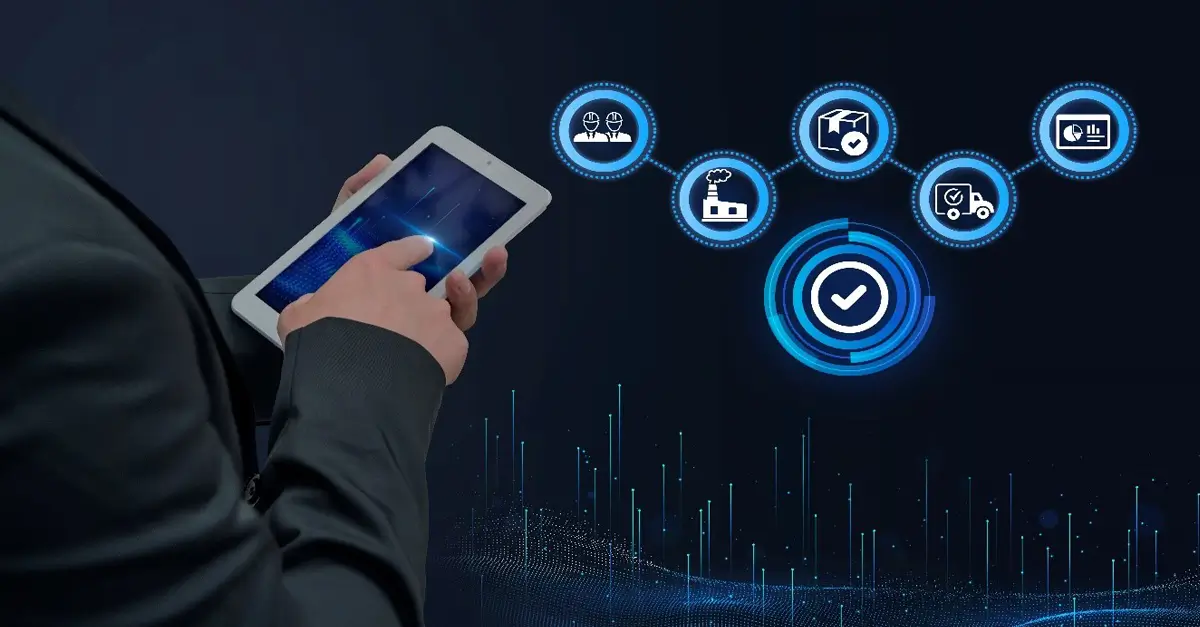
The mobile money ecosystem is expanding beyond simple peer-to-peer transfers into broader digital commerce. Application Programming Interfaces (APIs) and partnerships with platforms like PayPal, Western Union, and M-Pesa Global Pay have enabled users and SMEs to send, receive, and manage funds across borders. This integration empowers freelancers, e-commerce sellers, and small businesses to participate in the global digital economy—accepting payments, paying vendors, and managing transactions within a unified system.
AI and Smart Assistants
Artificial intelligence is increasingly being used to personalize financial services and improve decision-making. AI-driven credit models analyze vast user data in real time, allowing for tailored loan offers, risk assessment, and fraud detection.
Conclusion
Mobile money in Kenya is more than just a way to send and receive money; it’s a powerful tool that opens doors to savings, loans, insurance, and trade. It helps entrepreneurs grow their businesses and supports rural communities. It has positively impacted business owners and entrepreneurs by ensuring faster payment at a low transaction cost, providing micro lending options, ensuring operational efficiency by easing the methods of payment, and increasing market research. For a business owner to effectively take advantage of mobile money, he needs to implement strategies like educating its customers on how to use digital payment platforms, building a creditworthiness using digital payments, and understanding the regulations imposed by the government, like know your customer. Although its usefulness, mobile money has its challenges as it tries to ensure financial inclusion, it is faced with challenges like fraud and cybersecurity attacks, Digital illiteracy, high transaction costs for smaller transactions, and strict know your customers rules. Businesses in Kenya need to use mobile money not only as a tool for sending and receiving money but also as a tool for facilitating their growth, operational efficiency, and achieving business objectives.