Every year on 20th October, Kenyans come together to celebrate Mashujaa Day, one of the country’s most important national holidays. It is a special occasion dedicated to recognizing the brave men and women who contributed to Kenya’s struggle for independence, national development, freedom, democracy, and social progress. The word Mashujaa is Kiswahili for heroes. Therefore, Mashujaa Day means Heroes’ Day, a celebration that honours individuals whose sacrifices, courage, and achievements have helped shape Kenya’s history and future.
Although many people associate the holiday with freedom fighters such as Jomo Kenyatta and Dedan Kimathi, its meaning extends beyond the independence struggle. Today, Kenya recognizes heroes from different sectors, including education, healthcare, sports, environmental conservation, community leadership, and humanitarian service. For students and young people, Mashujaa Day offers an opportunity to understand Kenya’s history, appreciate the sacrifices of previous generations, and reflect on their responsibility in building a better nation.
This article explores the history of Mashujaa Day in Kenya, its significance, how it is celebrated, notable Kenyan heroes, and why the holiday remains relevant in 2026.
- What Is Mashujaa Day in Kenya?
- The History and Origin of Mashujaa Day
- Why Is Mashujaa Day Important to Kenyans?
- Famous Kenyan Heroes Remembered on Mashujaa Day
- How Mashujaa Day Is Celebrated in Kenya
- Mashujaa Day 2026: Celebrating Kenya's Heroes
- The Role of Women in Kenya's History
- Why Mashujaa Day Matters to University Students
- Difference Between Mashujaa Day, Madaraka Day, and Jamhuri Day
- How Kenyans Can Honour Heroes Beyond Mashujaa Day
- Frequently Asked Questions About Mashujaa Day in Kenya
- Conclusion
What Is Mashujaa Day in Kenya?
Mashujaa Day is a national public holiday celebrated annually on October 20 to honour individuals who have made outstanding contributions to Kenya.
The holiday is recognized under Article 9(3) of the Constitution of Kenya, 2010, alongside Madaraka Day and Jamhuri Day. Its main purpose is to recognize the sacrifices and achievements of Kenyan heroes, both historical and contemporary.
Mashujaa Day also promotes patriotism, national unity, cultural appreciation, and public reflection on the country’s progress.
Unlike celebrations that focus on one historical event, Mashujaa Day recognizes different forms of service to the nation. A teacher who transforms a community through education, a healthcare worker serving underserved populations, or an athlete representing Kenya internationally may all demonstrate qualities associated with heroism. The holiday reminds citizens that contributing positively to society is an important form of national service.
The History and Origin of Mashujaa Day
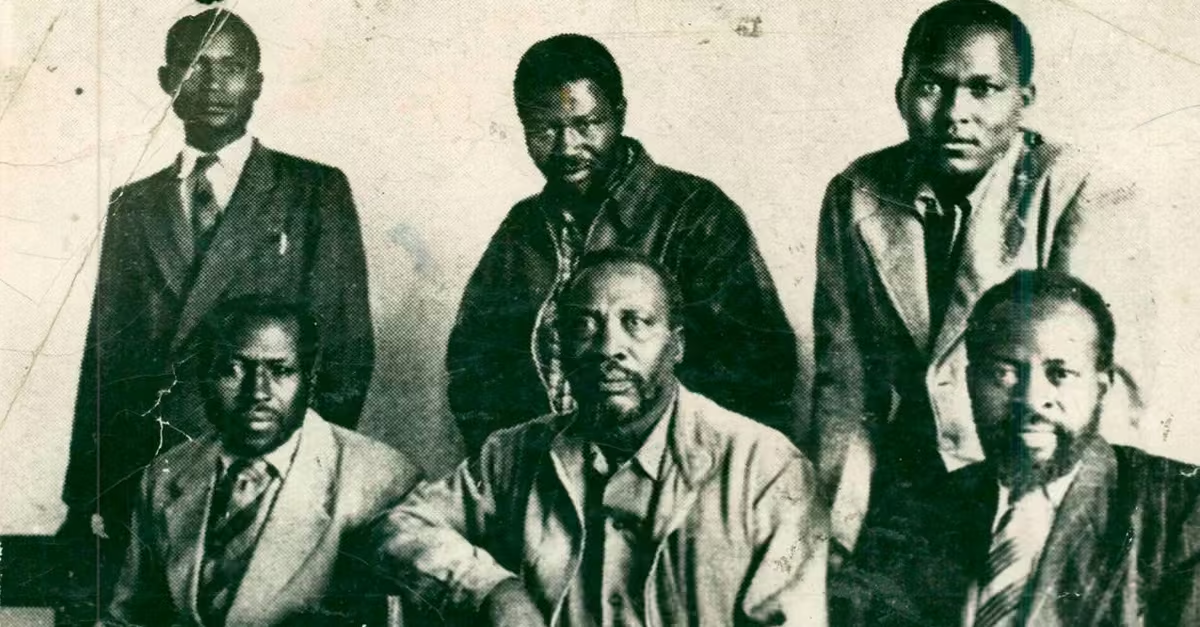
Mashujaa Day has its origins in Kenya’s colonial history, particularly the detention of prominent nationalist leaders during the struggle against British colonial rule.
On October 20, 1952, colonial authorities declared a state of emergency and arrested several African nationalist leaders. Among those arrested were Jomo Kenyatta, Bildad Kaggia, Kung’u Karumba, Fred Kubai, Paul Ngei, and Achieng’ Oneko. These leaders became widely known as the Kapenguria Six. The arrests occurred during a period of growing resistance against colonial policies, including land dispossession, political exclusion, and economic inequality.
Before the adoption of the 2010 Constitution, October 20 was celebrated as Kenyatta Day, primarily commemorating Jomo Kenyatta and the events surrounding his detention. Following constitutional reforms, the holiday was renamed Mashujaa Day to recognize a broader range of individuals who contributed to Kenya’s liberation and development. This change reflected a more inclusive understanding of national heroism.
Why Is Mashujaa Day Important to Kenyans?
Mashujaa Day is important because it connects Kenya’s past with its present and future.
- First, it honours individuals who sacrificed their freedom, safety, and sometimes their lives in the struggle for independence.
- Second, it encourages national unity by recognizing contributions from different ethnic communities, regions, professions, and generations.
- Third, it provides an opportunity to educate younger generations about Kenya’s history and the importance of constitutional rights.
The holiday also encourages citizens to reflect on the country’s progress in education, infrastructure, healthcare, governance, and economic development.
Most importantly, Mashujaa Day reminds Kenyans that patriotism involves responsibility, integrity, service, and respect for others.
Heroism is not limited to famous political leaders. Ordinary citizens who improve their communities can also make lasting contributions to the nation.
Famous Kenyan Heroes Remembered on Mashujaa Day
Kenya has produced many remarkable individuals whose contributions continue to inspire generations.
I. Dedan Kimathi
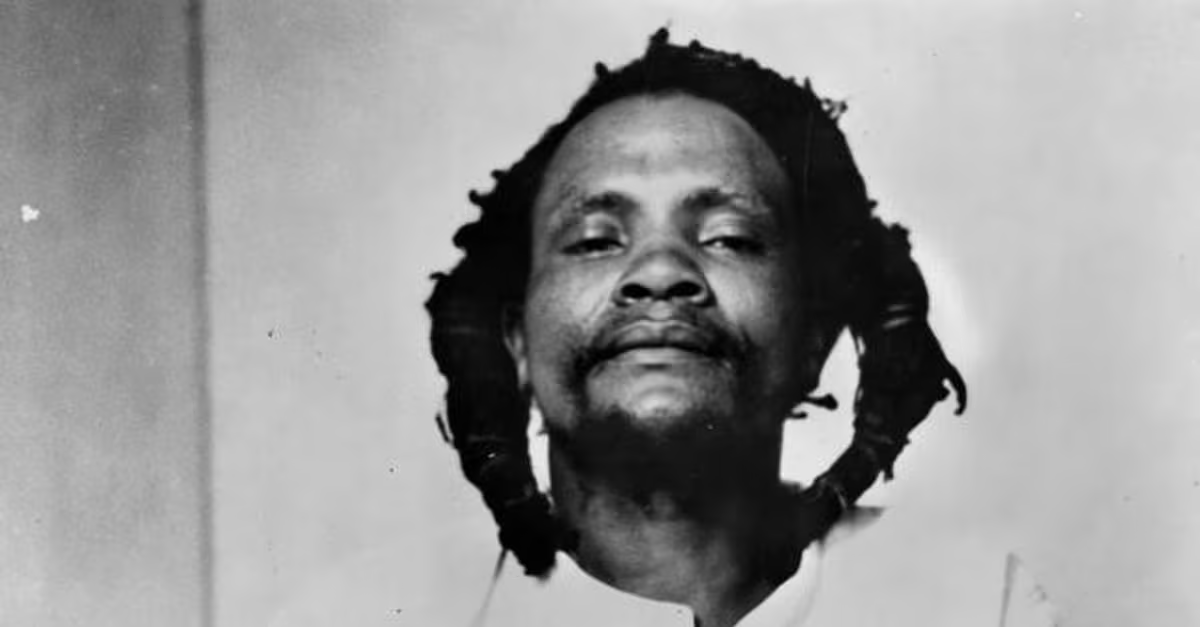
Dedan Kimathi was a prominent leader in the Mau Mau resistance against British colonial rule.
He became a symbol of courage and determination during Kenya’s fight for freedom. His resistance to colonial oppression remains an important part of the country’s independence history.
II. Mekatilili wa Menza
Mekatilili wa Menza was a Giriama woman who mobilized her community against British colonial policies in the early twentieth century.
She challenged forced labour, colonial interference, and other injustices affecting her people.
Her story demonstrates the important role women played in resisting colonial domination.
III. Wangari Maathai
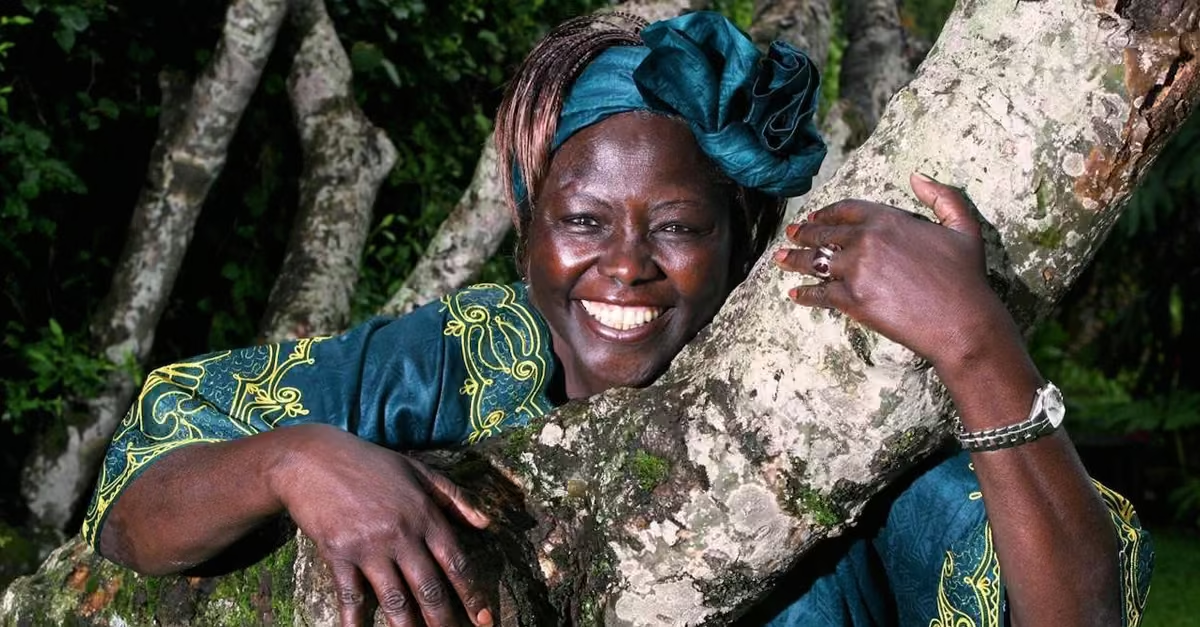
Wangari Maathai was an internationally recognized environmental activist and founder of the Green Belt Movement.
She promoted environmental conservation, women’s empowerment, and democratic rights.
In 2004, she became the first African woman to receive the Nobel Peace Prize.
IV. Tom Mboya
Tom Mboya was a Kenyan trade unionist and nationalist leader who contributed to the independence movement and educational advancement.
He played an important role in initiatives that enabled African students to pursue higher education abroad.
These individuals represent different forms of leadership, sacrifice, and dedication to national progress.
How Mashujaa Day Is Celebrated in Kenya
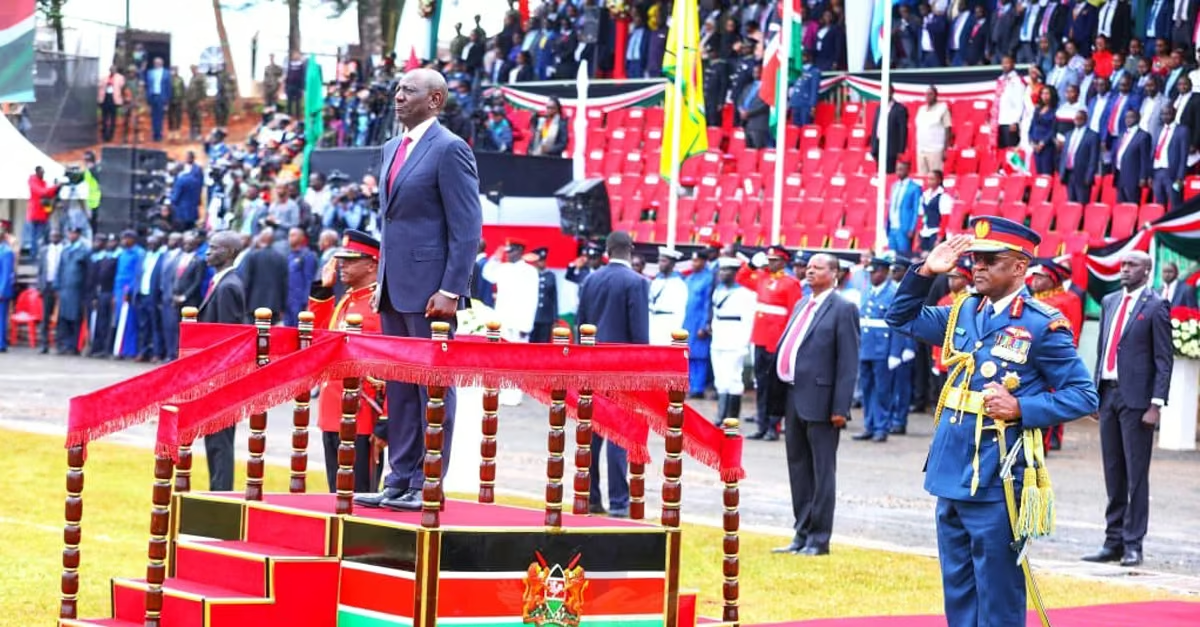
Mashujaa Day celebrations take place across the country, bringing together government officials, community leaders, students, and ordinary citizens. The main national celebration usually includes a presidential address, patriotic performances, cultural presentations, and recognition of national achievements. Military and security formations may participate in ceremonial activities, while cultural groups showcase Kenya’s diverse traditions.
In recent years, national celebrations have been hosted in different counties as part of efforts to promote inclusivity and regional participation. At the community level, people mark the holiday through cultural events, educational activities, family gatherings, and discussions about national history. Schools and universities may also organize activities highlighting Kenya’s freedom struggle and the contributions of national heroes. Some families use the public holiday to visit historical sites, museums, or memorials associated with Kenya’s independence.
Mashujaa Day 2026: Celebrating Kenya’s Heroes
Mashujaa Day 2026 falls on Tuesday, October 20.
The celebration provides another opportunity for Kenyans to recognize individuals who have contributed to the nation’s development. In modern Kenya, heroism includes more than military or political achievements. Healthcare workers who serve communities during emergencies, teachers working in underserved areas, entrepreneurs creating employment, and volunteers supporting vulnerable populations all demonstrate the importance of public service. Young innovators developing solutions to environmental, agricultural, and technological challenges also represent Kenya’s potential.
For students, the 2026 celebration offers an opportunity to reflect on how education, innovation, and responsible citizenship can contribute to national development. The central message remains that every Kenyan has the potential to make a positive difference.
The Role of Women in Kenya’s History
Women have played an important role in Kenya’s political, social, and economic development.
During the colonial period, women participated in resistance movements, supported freedom fighters, organized communities, and challenged oppressive policies. Figures such as Mekatilili wa Menza and Wangari Maathai demonstrate that leadership and courage are not limited by gender.
Women have also contributed significantly to education, healthcare, agriculture, entrepreneurship, and public administration. Recognizing their achievements helps create a more inclusive understanding of Kenya’s history. Mashujaa Day provides an opportunity to celebrate both well-known female leaders and ordinary women whose contributions often receive limited public recognition.
Why Mashujaa Day Matters to University Students
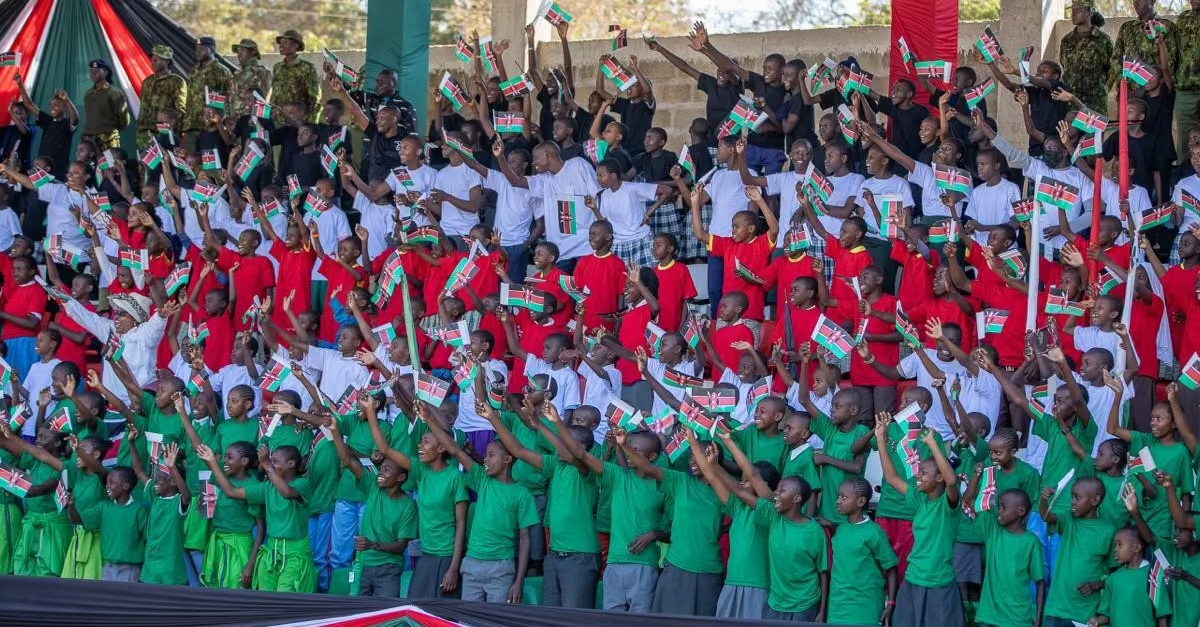
For university and college students, Mashujaa Day is more than a break from lectures and assignments. It provides an opportunity to learn about the struggles that shaped modern Kenya and the responsibilities associated with citizenship. Students can use the occasion to research historical events, participate in community service, and discuss national development challenges.
The holiday also encourages young people to appreciate the importance of education, leadership, innovation, and peaceful coexistence.
For example, students can organize environmental cleanups, volunteer at community organizations, or participate in educational outreach programmes.
These activities demonstrate that heroism can begin with small actions that improve other people’s lives. Young Kenyans do not have to wait until they become famous to contribute meaningfully to society.
Difference Between Mashujaa Day, Madaraka Day, and Jamhuri Day
Kenya celebrates three major national days, each representing an important aspect of its history.
| National holiday | Date | Meaning |
| Mashujaa Day | October 20 | Honours Kenya’s heroes |
| Madaraka Day | June 1 | Marks the attainment of internal self-government in 1963 |
| Jamhuri Day | December 12 | Celebrates Kenya becoming a republic in 1964 and also commemorates independence in 1963 |
Although these holidays have different historical meanings, they all encourage national pride and reflection. Madaraka Day focuses on self-government, Jamhuri Day commemorates independence and republican status, while Mashujaa Day recognizes the individuals who contributed to the nation’s achievements.
How Kenyans Can Honour Heroes Beyond Mashujaa Day
Honouring national heroes should not end when the public holiday is over. Kenyans can demonstrate appreciation for their country’s history by protecting public resources, respecting constitutional rights, and participating in community development.
Students can preserve historical knowledge through research, storytelling, and educational projects. Communities can recognize local heroes such as teachers, nurses, farmers, volunteers, and individuals who have contributed to social progress. Citizens can also support environmental conservation, promote peaceful coexistence, and mentor younger generations.
These actions help transform Mashujaa Day from an annual celebration into a lasting commitment to national development.
Frequently Asked Questions About Mashujaa Day in Kenya
When is Mashujaa Day Celebrated in Kenya?
Mashujaa Day is celebrated annually on October 20. It is one of Kenya’s constitutionally recognized national days.
Why Was Kenyatta Day Renamed Mashujaa Day?
The 2010 Constitution replaced Kenyatta Day with Mashujaa Day to recognize a broader range of heroes who contributed to Kenya’s liberation and development.
Who Are the Kapenguria Six?
They were Jomo Kenyatta, Bildad Kaggia, Kung’u Karumba, Fred Kubai, Paul Ngei, and Achieng’ Oneko, nationalist leaders arrested during the colonial emergency in 1952.
Is Mashujaa Day a Public Holiday in Kenya?
Yes. Mashujaa Day is a national public holiday under Kenya’s Constitution and public holiday laws.
What is the Main Message of Mashujaa Day?
The holiday emphasizes patriotism, courage, sacrifice, unity, and recognition of individuals who have contributed positively to Kenya.
Conclusion
Mashujaa Day remains one of Kenya’s most meaningful national celebrations because it honours the courage, sacrifice, and achievements of individuals who helped shape the nation. From freedom fighters who resisted colonial rule to modern professionals, environmentalists, educators, and community volunteers, Kenya’s heroes represent different forms of service and dedication. For young people, particularly university and college students, the holiday offers an important lesson: national development depends on the actions of ordinary citizens as much as those of prominent leaders.
As Kenya celebrates Mashujaa Day on October 20, 2026, citizens can reflect on the country’s journey, appreciate the contributions of previous generations, and consider how they can improve their communities. Mashujaa Day is not simply about remembering heroes of the past. It is also about inspiring the heroes of today and tomorrow.
Useful Resources for Further Reading
- Kenya Law Reform Commission — Constitution of Kenya, Article 9, on national days.
- National Museums of Kenya — Kenyan history, heritage, and cultural preservation.
- Nobel Prize: Wangari Maathai — Her environmental work and achievements.
- Green Belt Movement — Environmental conservation and Wangari Maathai’s legacy.
- Office of the President of Kenya — Official national celebration announcements.