
The rise of autonomous vehicles (AVs) is one of the most significant developments in the transportation sector. Self-driving cars promise to fundamentally reshape how people move from place to place, improving efficiency, safety, and environmental impact. As artificial intelligence (AI), machine learning, and sensor technologies continue to evolve, the dream of fully autonomous vehicles is becoming a reality. This article dives into the future of autonomous vehicles, and explores how self-driving cars will revolutionize transportation, examining their potential benefits, challenges, and the path toward widespread adoption.
For more information on the latest advancements in autonomous vehicles, you can visit Waymo’s official page.
1. What Are Autonomous Vehicles?
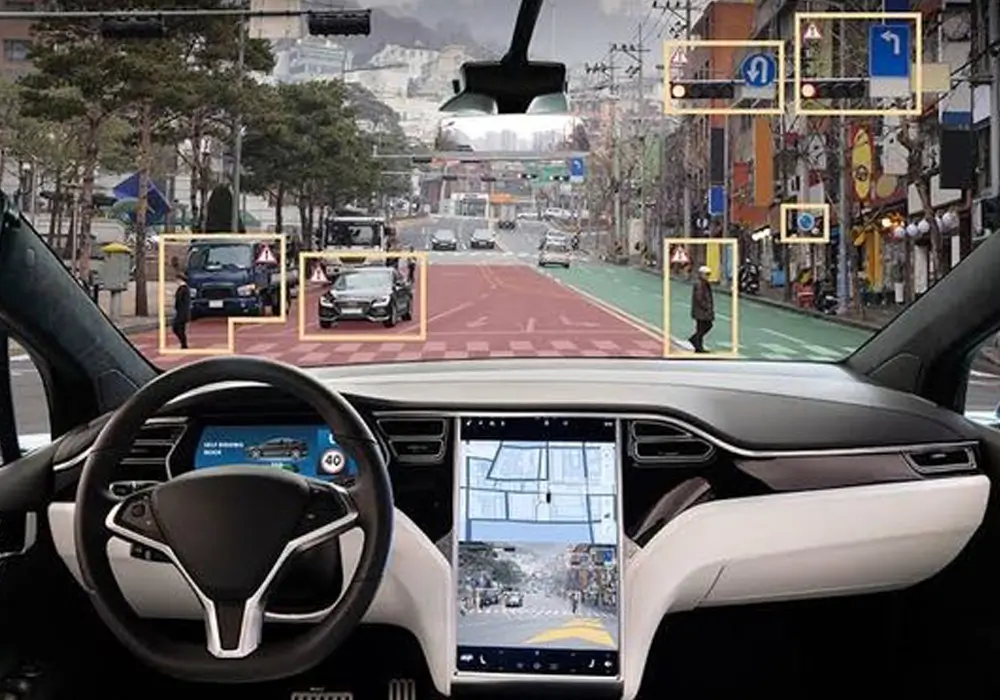
Autonomous vehicles, also known as self-driving cars, use a combination of sensors, cameras, radar, and AI to navigate roads without human intervention. These systems are designed to detect the environment, analyze data in real time, and make decisions to safely maneuver through various driving conditions. The Society of Automotive Engineers (SAE) has classified AVs into five levels of automation, ranging from Level 0 (no automation) to Level 5 (full automation, with no human driver required).
2. The Current State of Autonomous Vehicle Technology
Autonomous vehicle technology has made significant progress over the past decade, but it is still in the development and testing phases for most companies. Leading technology firms such as Tesla, Waymo, and Cruise have rolled out partially autonomous features, such as Tesla’s Autopilot, which provides driver assistance but still requires human oversight. Meanwhile, companies like Waymo and Uber are testing fully autonomous taxis in controlled environments.
3. The Benefits of Autonomous Vehicles
a. Increased Safety
One of the most significant promises of autonomous vehicles is enhanced road safety. According to the National Highway Traffic Safety Administration (NHTSA), human error accounts for 94% of all traffic accidents. AVs have the potential to eliminate these errors by reducing distractions, impaired driving, and reckless behaviors. With 360-degree vision and the ability to process vast amounts of data instantaneously, autonomous systems can respond to road hazards faster than humans, which could dramatically reduce accidents and fatalities.
b. Traffic Management and Reduced Congestion
AVs can help reduce traffic congestion by optimizing route planning and driving behavior. Unlike human drivers, autonomous vehicles can communicate with each other, making it easier to coordinate movements and maintain steady speeds, which reduces bottlenecks and improves the flow of traffic. As more vehicles on the road become autonomous, traffic systems will be able to work more efficiently, resulting in smoother commutes and less time wasted in traffic jams.
c. Environmental Impact
Autonomous vehicles can also contribute to a greener future. By improving fuel efficiency through optimized driving, reducing idling in traffic, and enabling the rise of electric self-driving cars, AVs are poised to significantly reduce greenhouse gas emissions. Additionally, AVs can support ride-sharing models, reducing the overall number of cars on the road and the corresponding environmental impact.
4. How Autonomous Vehicles Will Change Transportation
a. Public Transportation
Autonomous vehicles have the potential to revolutionize public transportation systems. Self-driving buses and shuttles could operate on fixed routes, providing safe and efficient transportation to commuters. This could reduce operational costs for transit authorities, improve service reliability, and offer more convenient options for riders, particularly in underserved areas. Cities like Las Vegas and Singapore have already begun testing autonomous public transit systems.
b. Ride-Hailing and Taxi Services
The ride-hailing industry will likely be one of the first sectors to experience widespread autonomous vehicle adoption. Companies like Uber and Lyft are investing heavily in self-driving technology with the goal of eventually replacing human drivers. AVs could lead to lower fares, improved availability, and safer rides. Additionally, fully autonomous taxis could provide transportation to people who are unable to drive, such as the elderly or disabled.
5. Challenges Facing Autonomous Vehicles
a. Regulatory Hurdles
One of the primary challenges facing the widespread adoption of AVs is regulatory approval. Governments around the world are still figuring out how to regulate autonomous vehicles, from establishing safety standards to creating laws around liability in the event of an accident. As AV technology advances, regulators must work closely with automakers and tech companies to develop clear guidelines that ensure the safety of passengers and pedestrians.
For insights into autonomous vehicle regulation, see The National Conference of State Legislatures’ guide.
b. Public Trust and Acceptance
Public perception of autonomous vehicles remains a major challenge. While the technology behind AVs is improving, many people are hesitant to trust their safety to a machine. High-profile accidents involving autonomous vehicles have heightened concerns about the reliability of the technology. Building public trust through successful pilot programs, stringent safety tests, and transparent communication will be key to the future success of AVs.
c. Cybersecurity and Privacy Risks
With increased automation and connectivity comes the risk of cyberattacks. Autonomous vehicles rely on complex software systems, and vulnerabilities in these systems could be exploited by hackers. Moreover, AVs collect vast amounts of data on passengers, raising concerns about privacy. Securing AVs from cyber threats and ensuring that user data is protected will be critical as these vehicles become more common on the road.
6. The Future of Autonomous Freight and Logistics
Autonomous vehicles are not just limited to personal transportation. The logistics industry is also set to be transformed by self-driving trucks and delivery systems. Autonomous trucks could operate continuously without the need for breaks, leading to faster and more efficient shipping. Companies like Embark and TuSimple are already testing long-haul autonomous trucks on highways, while firms like Nuro are experimenting with small, autonomous delivery vehicles for short-distance deliveries.
For more information on autonomous trucking, visit TuSimple.
7. The Economic Impact of Autonomous Vehicles
a. Job Displacement
While autonomous vehicles will create new industries and jobs, they will also lead to job displacement in sectors such as trucking, taxi driving, and delivery services. Workers in these industries will need to transition to new roles, and governments will need to consider how to support these workers through reskilling programs and job placement services.
To learn more about the economic impact of autonomous vehicles, you can read this report from Brookings Institution.

b. New Business Models
AVs will give rise to new business models in transportation, including subscription-based mobility services, autonomous ride-sharing platforms, and even mobile workspaces. These innovations will change how people view car ownership, with a shift from individual ownership toward shared, on-demand transportation options.
8. Autonomous Vehicles and Urban Planning
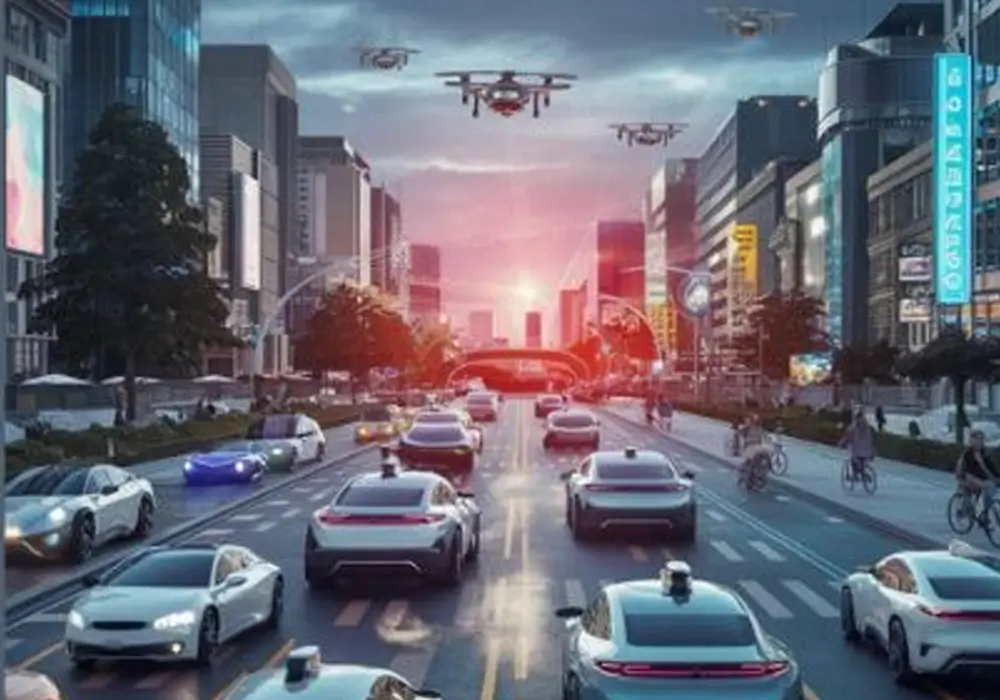
AVs will not only change the way people travel but also how cities are designed. As autonomous vehicles become more prevalent, urban planners will need to rethink infrastructure. Parking lots may become obsolete, as AVs can drop passengers off and continue moving. Roads could be redesigned to accommodate AVs’ optimized driving patterns, and traffic management systems will become increasingly automated.
For a deeper dive into how AVs will impact urban design, read this report from National League of Cities.
Conclusion
Autonomous vehicles are on the cusp of revolutionizing the transportation sector, offering safer, more efficient, and environmentally friendly options for personal and public transit. While there are still significant challenges to overcome, including regulatory approval, public trust, and cybersecurity concerns, the potential benefits of AVs are too great to ignore. As this technology continues to evolve, autonomous vehicles will play a critical role in shaping the future of transportation.