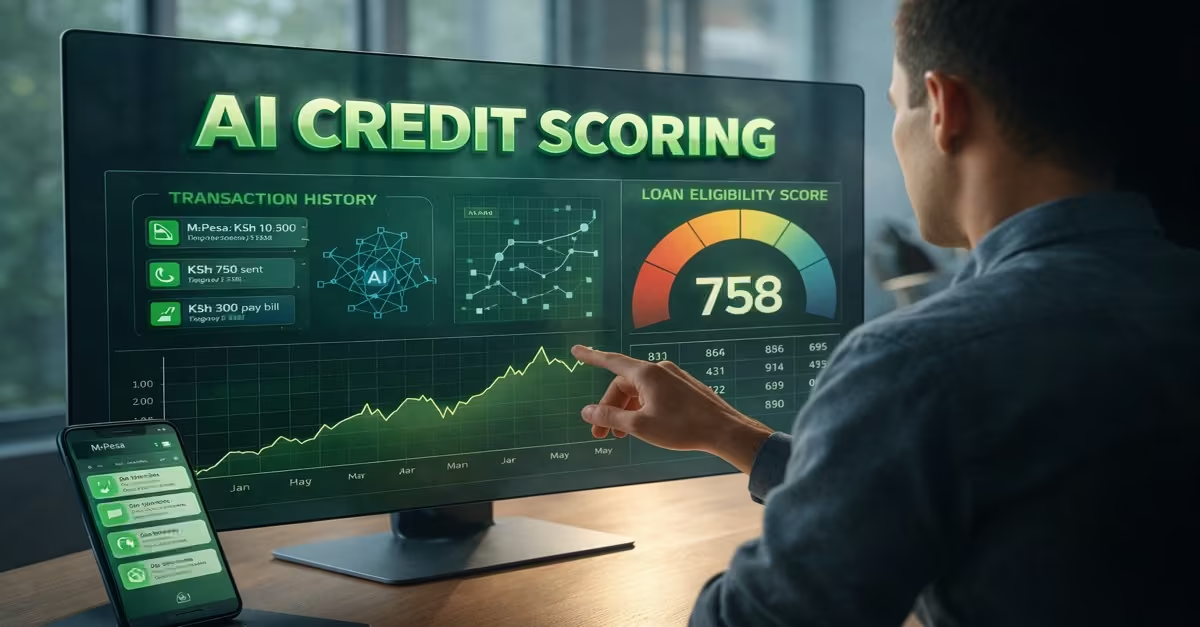
As Kenya’s business environment evolves, access to credit can make or break an entrepreneur’s journey. Your credit score determines your financial credibility, whether you’re launching a startup or scaling a digital venture in Nairobi. Yet, many entrepreneurs remain unaware of how the credit score influences their ability to secure funding, form partnerships, and grow sustainably. Understanding your credit score for a business isn’t just a technicality; it’s a strategic advantage. This article elaborates credit scores in Kenya, explains their importance, the myths people has about credit score, how to improve the credit score and factors affecting the credit score.
Understanding Credit Scores
Credit score refers to the numerical representation of your creditworthiness, how trustworthy you are when borrowing and repaying money. This score helps lenders assess the risk of giving you credit or a loan. In Kenya, the credit scores are managed by the credit reference bureaus that the Central Bank of Kenya licenses. The main Credit reference bureaus that are operating in Kenya are:
- Metropol
- Creditinfo Kenya
- Transunion.
Although the above bodies use different credit scoring methods, similar factors are used to base a score on an individual’s history of loan repayment, how frequently one borrows funds, and the amount of debt one owes currently.
A study done by Irene (2022) highlights that the credit score usually ranges from 250 to 900 in Kenya. A score that is closer to 250 is seen as a poor one. This individual or a business is perceived as a high-risk borrower; thus, lenders will refuse to give the loan to him, or if they offer you a loan, they will charge him a higher interest rate. On the other hand, a score that is close to 900 is considered excellent. This individual or a business is perceived to be a low-risk borrower; thus, lenders will be ready to accept the loan applications they make and even give them credit at a low interest rate.
Read Also: Fintech Innovations: How Technology is Changing Financial Strategies
How to Check the Credit Score in Kenya
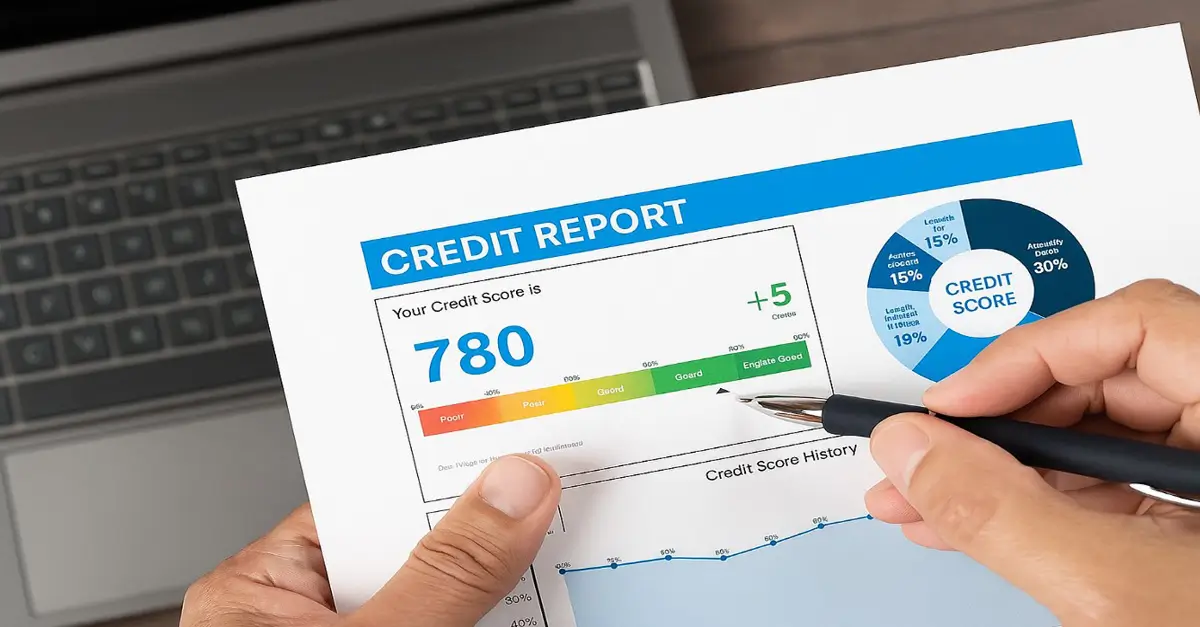
In Kenya, credit information is collected and analyzed by several licensed Credit Reference Bureaus (CRBs), which generate credit reports and scores based on data provided by lenders. The main Credit Reference Bureaus operating in Kenya include TransUnion, Metropol, and Creditinfo. Before accessing the credit report, it is vital for one first to choose which agency one would like to use. Each Credit Reference Bureau may apply slightly different scoring models and report formats, so it is advisable to review their offerings and select the one that aligns best with your needs. After choosing the type of credit reference bureau one is using, the following steps are followed as per Clinton (2025)
- Visit the Bureau’s Official Website—navigate to the official website of the credit bureau you’ve chosen, such as TransUnion Kenya, Metropol CRB, or Creditinfo Kenya.
- Find the Credit Report or Score Section- Locate the site section designed explicitly to request a credit score or view a credit report.
- Register or Sign In—if the user is new, they must register first. Here, the user will be asked to provide personal information and then verify his Identity. On the other hand, if the user already has an account, they will just be required to log in using their credentials.
- Submit a Request for Your Credit Report—At this stage, the user will be asked to complete the necessary online form, which typically asks for their full name, national ID number, date of birth, and contact information. Follow the specific instructions provided on the website while requesting the credit report.
- Complete Identity Verification: Based on the type of credit referencebureau one chooses, they may require you to answer security questions and upload official documents to verify your Identity.
- Access Your Credit Report and Score- Once your request is successfully processed and your Identity is verified, you will receive your credit report and score. This is usually delivered via email or through the bureau’s online portal.
After receiving the report, reviewing and carefully examining the information provided in the credit report and score is crucial. At this stage, one must confirm the information below:
- Personal details—One needs to confirm one’s Identity, for instance, whether the full name, national ID number, date of birth, and contact information are correctly stated.
- Credit Accounts-Lists all active and closed credit facilities such as loans, credit cards, or overdrafts, showing how much you borrowed and still owe.
- Payment History-Shows whether you have made payments on time or missed or delayed any payments, often monthly.
- Credit Inquiries—this usually checks the entities that have previously checked your credit report, usually banks or lenders, who review your profile before giving you a loan or credit.
- Negative or Derogatory Records-Highlights serious issues like loan defaults, accounts in collection, or court judgments that hurt your credit score.
The Factors Affecting the Credit Scores
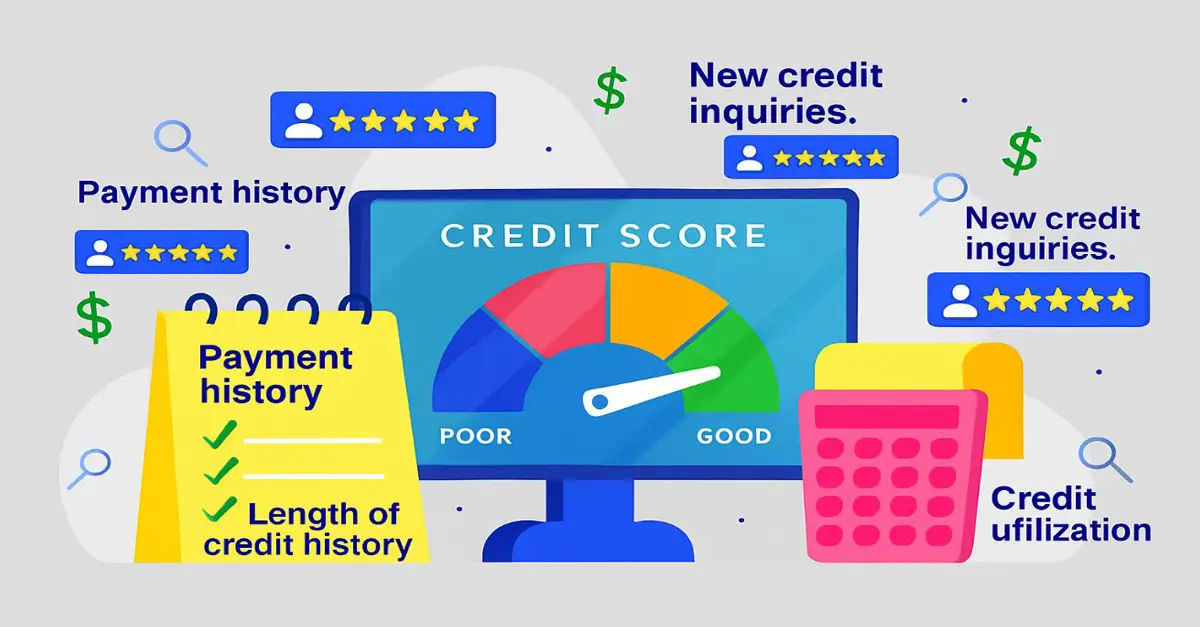
It’s essential to understand the elements that the Credit Reference Bureaus in Kenya use to evaluate the credit profile so as to maintain and improve the credit score. Research done by Irene (2022) highlights the factors below.
Payment History
this is the most crucial factor determining a credit score. it measures how consistently one repays borrowed funds. factors like loan defaults, late payments, or loans that are due but have not been paid yet will negatively affect an individual’s score. one-time and consistent payments will help build a strong credit profile.
Length of the Credit History
This refers to the long and consistent record of responsible borrowing and repayment. A long credit history gives lenders more information to assess your financial behavior, making it easier to predict whether you are likely to repay future loans, thus a higher credit history.
Credit Utilization
This factor usually measures how much of your available credit you are currently using at any given time. It is calculated using the percentage. This factor is important because it signals to lenders how well you manage your credit. High credit utilization, especially when it gets close to your credit limit, may suggest that you are financially overextended or struggling to manage expenses. As a result, it can negatively affect your credit score.
On the other hand, maintaining a low credit utilization rate, generally below 30%, shows that you are using credit responsibly and within your means. This builds lender confidence in your ability to manage debt without relying too heavily on credit.
Credit Mix
Credit mix refers to the number of credit accounts one has used over time. These may include Mobile loans, SACCO loans, and Bank loans, such as personal or business loans. Credit cards have different types of credit, which shows lenders that you can responsibly manage various forms of debt, not just one. It demonstrates financial flexibility and experience, which can positively impact your credit score.
New Credit Inquiries
It refers to the checks lenders make when one makes a loan application. When you apply for credit, the lender accesses your credit report to assess your financial stability.
While occasional inquiries are regular, applying for multiple loans quickly can raise concerns among lenders. It may signal that you are experiencing financial difficulties or relying too heavily on borrowed funds.
Read Also: Mastering Working Capital: The Key to Operations Efficiency
Common Credit Score Myths in Kenya
There are many myths about credit scores and CRB listings in Kenya. If one follows these myths, one may make wrong financial decisions. Below are the common myths.
A. The CRB Listings are Always Negative
This is where many believe that when someone is listed at the CRB, the person is characterized by a bad financial record and even loan defaults.Gertrude (2024) states this is incorrect, as the CRB would have negative and positive credit scores. For instance, if one repays loans on time and consistently, these actions are being recorded, which helps create a strong credit profile. Being listed in the CRB means that your credit activities are being tracked, not necessarily that one is in trouble.
B. You Cannot Recover from a Poor Score
The credit score changes based on an individual’s credit behavior; thus, it’s not permanent. If one begins to pay the loans on time, reduce outstanding debts, and avoid unnecessary borrowing, one’s score will gradually improve. Recovery takes time and discipline, but it is entirely possible.
C. Only Banks Care About the Credit Scores
As banks are the main financial institutions that use credit scores, they are not the only ones who may want to know how one pays and how responsible one is when it comes to the payments of borrowed funds. Other financial institutions, like insurance companies, employees, and even suppliers, will want to know your credit scores so as to assess your reliability.
D. Paying to be Cleared Improves the Score Immediately
Some people believe that paying a clearance fee automatically boosts their credit score. However, this only removes the listing from the CRB records; it does not instantly improve your credit score. Improvement happens when you consistently repay loans, reduce credit usage, and maintain healthy credit behavior over time.
How to Improve Your Credit Score
Improving the credit score is a journey, not an overnight fix. Still, you can build a strong financial profile with patience and discipline. Here is how:
- Don’t borrow from multiple lenders at once- one is advised to focus on lending from a few lenders to show financial stability, given that applying for credit from many sources within a short time will lower the credit score.
- Pay loans on time paying loans on time is the strongest way of building a positive credit history. One can use standing orders, reminders, and mobile apps to be reminded about payments and thus avoid late payments.
- Monitor the credit report—regular checking can easily spot errors and fraud. Contact CRB’s customers if you find any issues.
- Clearing the outstanding debts- Even if you can’t pay everything at once, repaying in small, and consistent installments shows responsibility and improves your score over time.
- Avoid frequent credit inquiries. Too many loan applications make you appear desperate for money. Only apply for credit when it’s necessary and planned.
The Consequences of a Poor Credit Score
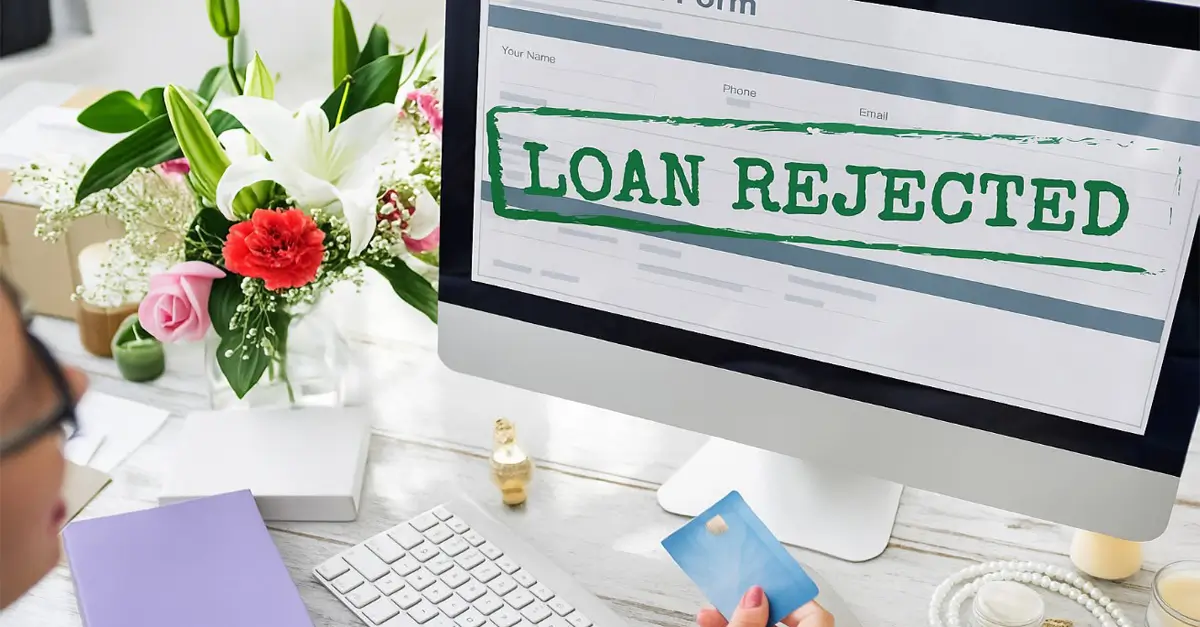
Low credit scores can easily affect personal and financial life. A business’s or an individual’s poor creditworthiness can limit access to opportunities and increase financial burdens. Below are illustrations of the consequences.
A. High Interest Rates
Two people can qualify for a loan but are charged different interest rates even if they take the same amount of loan and the same duration. This is due to their credit scores. A person with a low credit score is assumed to be riskier, so more interest is charged to them than to someone with a high credit score. This increases the total cost of borrowing and can strain your finances further.
B. Loan Rejection
Before one qualifies to be given a loan, financial institutions evaluate an individual’s credit score. In this case, one’s loan application can easily be rejected when they find that he has a low credit score, as this raises concerns about the ability to pay. This makes it hard to secure a loan for personal and business use.
C. Difficulty Accessing Supplier Credit
Suppliers are also another user of credit scores. In business, suppliers may hesitate to offer goods or services on credit to those with low scores. He can disrupt cash flow, hinder operations, and damage supplier relationships.
D. Increased Insurance Premiums
Some insurance companies, especially those offering car, health, or business coverage, may use your credit history as part of their risk assessment process. A poor credit score can suggest that you may be less financially responsible or more likely to file claims. As a result, insurers may consider you a higher-risk client, and this perception can lead to higher insurance premiums. At the same time, these increased costs can significantly affect your personal or business budget, making essential coverage more expensive or less accessible.
Conclusion
In Kenya’s evolving economy, where a key driver of business success is access to finance, understanding one’s credit score is a necessity. Regardless of the kind and size of business one is venturing into, one’s credit profile plays a critical role in shaping one’s financial future.
A good credit score opens the door to affordable loans, flexible supplier terms, lower insurance costs, and lower borrowing costs. A poor credit score, on the other hand, can limit your access to funding, raise borrowing costs, and create unnecessary hurdles in your entrepreneurial journey.
As an entrepreneur, taking charge of your credit profile today can position your business for long-term success tomorrow. Stay informed, borrow responsibly, monitor your score regularly, and turn your credit report into a tool, not a barrier, for business growth.