
Wi-Fi 6, also known as 802.11ax, is the latest wireless networking standard designed to enhance internet connectivity and overall network efficiency. Developed to improve upon the previous Wi-Fi 5 (802.11ac) standard, Wi-Fi 6 provides faster speeds, better performance in crowded environments, and increased power efficiency for connected devices. The introduction of this new standard is a response to the growing number of smart devices, streaming services, and the increasing demand for higher bandwidth applications. This article will essentially cover what is Wi-Fi 6 (802.11ax) and it’s predecessors, it’s features and benefits.
Understanding What is Wi-Fi 6 (802.11ax)
Wi-Fi 6 utilizes advanced technologies such as Orthogonal Frequency Division Multiple Access (OFDMA), Basic Service Set (BSS) Coloring, Target Wake Time (TWT), and improved Multi-User, Multiple Input, Multiple Output (MU-MIMO) capabilities. These enhancements allow for more efficient data transmission, reducing network congestion and improving the overall user experience.
One of the most significant improvements with Wi-Fi 6 is its ability to handle multiple devices simultaneously. Unlike previous Wi-Fi standards, which often experienced slowdowns when numerous devices were connected, Wi-Fi 6 optimizes bandwidth allocation and increases network efficiency. This makes it particularly beneficial in environments with high device density, such as offices, stadiums, airports, and smart homes.
Additionally, Wi-Fi 6 improves security with the implementation of WPA3 encryption, which enhances protection against cyber threats and unauthorized access. This is especially important as more businesses and individuals rely on wireless networks for sensitive data transactions.
In summary, Wi-Fi 6 represents a significant advancement in wireless networking, offering higher speeds, improved efficiency, and better security. As more devices become Wi-Fi 6 compatible, users will experience a more seamless and robust internet connection, ultimately enhancing their digital experiences.
The Evolution of Wi-Fi to Wi-Fi 6
Wi-Fi technology has undergone several significant advancements since its inception, each generation bringing improved speeds, reliability, and efficiency. The evolution from Wi-Fi 1 (802.11b) to Wi-Fi 6 (802.11ax) showcases a trajectory of innovation designed to meet the growing demands of internet users.
The earliest version of Wi-Fi, 802.11b, was introduced in 1999, offering speeds of up to 11 Mbps. Over the years, Wi-Fi standards evolved through multiple iterations, including 802.11a (54 Mbps), 802.11g (54 Mbps), 802.11n (600 Mbps), and 802.11ac (Wi-Fi 5), which reached speeds of up to 3.5 Gbps. Each new standard introduced better performance, broader coverage, and improved security.
Wi-Fi 5 (802.11ac), released in 2013, became the dominant wireless standard for nearly a decade, offering fast speeds and supporting high-bandwidth applications such as video streaming and online gaming. However, as the number of connected devices increased, Wi-Fi 5 began facing limitations in handling high-density environments efficiently.
Wi-Fi 6 emerged as the solution to these challenges, incorporating several technological improvements to enhance network performance. One of the most notable advancements is its ability to support multiple devices simultaneously without compromising speed or latency. This is particularly beneficial in homes, businesses, and public spaces where numerous devices connect to a single network.
Furthermore, Wi-Fi 6 integrates power-saving features such as Target Wake Time (TWT), which allows devices to schedule when they wake up to transmit or receive data, extending battery life. Additionally, the introduction of WPA3 security enhances encryption protocols, making networks more secure against cyber threats.
With the rise of smart homes, IoT devices, and streaming services, Wi-Fi 6 ensures a seamless and efficient internet experience. As adoption increases, Wi-Fi 6 is set to become the new standard, paving the way for future wireless innovations.
What are the Differences Between Wi-Fi 5 and Wi-Fi 6?
Wi-Fi 5 (802.11ac) and Wi-Fi 6 (802.11ax) are two generations of wireless networking technology with distinct advancements. While Wi-Fi 5 has been the standard for many years, Wi-Fi 6 introduces significant improvements in speed, efficiency, and overall performance.
A. Speed and Efficiency
One of the most noticeable differences between Wi-Fi 5 and Wi-Fi 6 is speed. Wi-Fi 5 supports a maximum theoretical speed of up to 3.5 Gbps, while Wi-Fi 6 can achieve speeds of 9.6 Gbps. This increase in speed makes Wi-Fi 6 ideal for high-bandwidth applications such as 4K and 8K video streaming, cloud gaming, and real-time collaboration tools.
B. Device Handling
Wi-Fi 6 enhances network efficiency by introducing OFDMA (Orthogonal Frequency-Division Multiple Access) and an improved version of MU-MIMO (Multi-User, Multiple Input, Multiple Output). These technologies allow multiple devices to share the available bandwidth efficiently, reducing congestion and improving performance in crowded environments like offices, schools, and smart homes.
C. Power Efficiency
Wi-Fi 6 introduces Target Wake Time (TWT), a feature that optimizes power consumption. TWT enables devices to schedule their communication with the router, significantly extending battery life for mobile devices, smart home gadgets, and IoT (Internet of Things) devices.
D. Security Enhancements
Wi-Fi 6 also improves security with WPA3 encryption, which provides stronger protection against cyber threats compared to the WPA2 encryption used in Wi-Fi 5. WPA3 makes it harder for hackers to access a network, enhancing privacy and safeguarding sensitive information.
In summary, Wi-Fi 6 offers faster speeds, better device management, improved power efficiency, and stronger security compared to Wi-Fi 5, making it a more advanced and future-proof wireless networking technology.
What are the Advantages of Wi-Fi 6 Over Previous-Generation Wi-Fi Technologies?
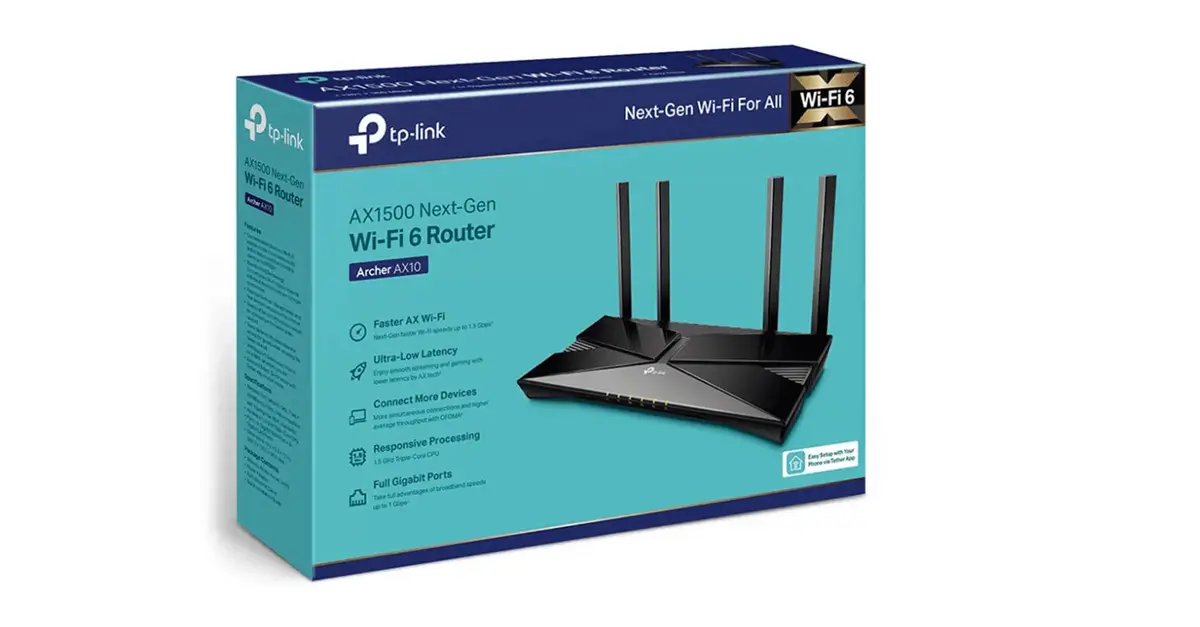
Wi-Fi 6 introduces several advantages that significantly improve network performance, efficiency, and security over previous generations such as Wi-Fi 4 (802.11n) and Wi-Fi 5 (802.11ac). Below are some of the key benefits of Wi-Fi 6 over older technologies:
1. Higher Speeds for Faster Data Transfer
One of the most noticeable improvements with Wi-Fi 6 is its speed. Previous generations, particularly Wi-Fi 5, offered maximum theoretical speeds of 3.5 Gbps, whereas Wi-Fi 6 can deliver up to 9.6 Gbps. This nearly threefold increase in speed ensures faster data transfers, which is crucial for users who frequently stream high-definition videos, engage in cloud-based work, or use bandwidth-intensive applications.
Additionally, the enhanced speed is particularly beneficial for businesses, as it enables quicker file transfers, more efficient video conferencing, and better overall performance for connected devices in an office environment. Faster speeds also mean improved performance for smart home devices, which rely on real-time data communication.
2. Improved Multi-Device Connectivity Using OFDMA and MU-MIMO
Traditional Wi-Fi networks often struggle when multiple devices are connected, leading to network congestion and slower performance. Wi-Fi 6 resolves this issue by incorporating Orthogonal Frequency-Division Multiple Access (OFDMA) and an upgraded version of Multi-User, Multiple Input, Multiple Output (MU-MIMO).
- OFDMA divides channels into smaller sub-channels, allowing multiple devices to transmit data simultaneously rather than taking turns. This reduces latency and improves efficiency, especially in homes or offices with many connected devices.
- MU-MIMO was first introduced in Wi-Fi 5 but was limited to downlink connections (router to device). Wi-Fi 6 improves upon this by enabling MU-MIMO in both uplink and downlink connections, ensuring that multiple devices can send and receive data simultaneously. This enhancement greatly improves network efficiency and ensures a smooth user experience, even in crowded environments.
3. Enhanced Security with WPA3 Encryption
Cybersecurity threats are a growing concern, and Wi-Fi 6 addresses these issues by supporting WPA3 encryption, which replaces the older WPA2 protocol used in previous generations. WPA3 offers several security improvements:
- Stronger encryption: WPA3 uses 128-bit encryption for personal networks and 192-bit encryption for enterprise networks, making it more resistant to hacking attempts.
- Better protection against brute-force attacks: WPA3 includes a feature called Simultaneous Authentication of Equals (SAE), which prevents attackers from repeatedly guessing passwords until they gain access to a network.
- Secure public Wi-Fi connections: With Individualized Data Encryption, WPA3 encrypts data transmitted between the user and the router, even on open public networks, making it much harder for hackers to intercept sensitive information.
These security enhancements are crucial for both home users and businesses, ensuring that Wi-Fi 6 networks remain safe from cyber threats.
4. Better Power Management Through Target Wake Time (TWT)
One of the most overlooked advantages of Wi-Fi 6 is power efficiency. The Target Wake Time (TWT) feature significantly improves the battery life of devices by allowing them to schedule when they wake up to communicate with the router.
- In previous Wi-Fi generations, devices continuously checked for data transmissions, draining battery life unnecessarily.
- With Wi-Fi 6 and TWT, devices can remain in a low-power state when not actively transmitting data, only waking up when needed.
This improvement is especially useful for smart home devices, IoT (Internet of Things) gadgets, and mobile devices, ensuring they last longer between charges.
5. Reduced Latency for Smoother Performance in Gaming and Streaming
Wi-Fi 6 significantly reduces latency, or the delay in data transmission, making it ideal for applications requiring real-time communication, such as:
- Online gaming, where lower latency means faster reaction times and smoother gameplay.
- Streaming 4K/8K videos, where reduced buffering ensures uninterrupted viewing experiences.
- Video conferencing, where lag-free communication improves productivity and collaboration.
By reducing latency, Wi-Fi 6 enhances user experiences across multiple devices and applications, ensuring consistent, high-quality connectivity.
What are the Improvements in Wi-Fi 6 Over Wi-Fi 5?
Wi-Fi 6 not only outperforms older generations but also introduces key improvements specifically over Wi-Fi 5 (802.11ac):
1. Better Congestion Management via BSS Coloring
Wi-Fi 6 introduces Basic Service Set (BSS) Coloring, which reduces interference and improves performance in densely populated areas such as apartment buildings, offices, and airports.
- In Wi-Fi 5, overlapping signals from neighboring networks often caused congestion and slow speeds.
- With Wi-Fi 6 and BSS Coloring, each access point assigns a unique “color” to its signals, allowing devices to identify and ignore transmissions from overlapping networks.
This improvement leads to faster speeds, reduced interference, and improved stability in crowded environments.
2. Higher Efficiency with OFDMA
As mentioned earlier, OFDMA is a game-changing feature that divides wireless channels into smaller sub-channels, allowing multiple devices to communicate simultaneously.
- In Wi-Fi 5, devices had to take turns communicating with the router, leading to latency and slow performance in busy networks.
- Wi-Fi 6 resolves this issue with OFDMA, which allows multiple data streams to be transmitted at once, ensuring better efficiency and faster data transfers.
3. Increased Range for Consistent Connections
Wi-Fi 6 improves signal range and penetration compared to Wi-Fi 5. This is especially beneficial for:
- Large homes and offices, where stronger signals ensure coverage across multiple rooms.
- Outdoor Wi-Fi networks, where increased range helps maintain stable connections over long distances.
- Smart home devices, which rely on consistent connectivity to function effectively.
By enhancing range and signal strength, Wi-Fi 6 provides more reliable connections even in complex environments.
4. More Simultaneous Connections with Advanced MU-MIMO
Wi-Fi 6 expands MU-MIMO capabilities, supporting more simultaneous connections than Wi-Fi 5.
- Wi-Fi 5 supports only 4 devices at a time using MU-MIMO.
- Wi-Fi 6 increases this to 8 devices per access point, significantly improving network efficiency in homes and workplaces with many connected devices.
This means that Wi-Fi 6 routers can handle more users without sacrificing performance, making it ideal for modern households and businesses.
What are the Benefits of Wi-Fi 6 for Users?
Wi-Fi 6 offers several real-world benefits that improve everyday experiences for users:
1. Seamless Streaming with High-Speed Internet
With faster speeds and reduced latency, Wi-Fi 6 ensures buffer-free streaming, even for high-definition 4K and 8K content. Users can enjoy uninterrupted entertainment without lag or connectivity drops.
2. Improved Gaming Experiences Due to Lower Latency
For gamers, Wi-Fi 6 offers:
- Lower ping times, reducing input lag.
- Better connection stability, minimizing packet loss.
- Smoother online gaming, even in multiplayer scenarios.
These improvements make Wi-Fi 6 the preferred choice for competitive gamers and game streamers.
3. Better Battery Life for Mobile Devices
TWT technology in Wi-Fi 6 reduces power consumption, leading to longer battery life for smartphones, tablets, and laptops. This is especially beneficial for users who rely on their devices for extended periods.
4. Stronger Security Against Cyber Threats
With WPA3 encryption, users are better protected from cyber threats, hacking attempts, and data breaches. WPA3 makes public Wi-Fi safer, ensuring peace of mind when connecting to networks in cafés, hotels, and airports.
Key Features and Benefits of Wi-Fi 6
Wi-Fi 6, also known as 802.11ax, represents a significant upgrade over previous Wi-Fi standards by offering higher speeds, improved congestion management, better range, and enhanced connectivity. As more devices rely on wireless networks, Wi-Fi 6 ensures a faster, more efficient, and reliable internet experience. Below, we explore the key features and benefits in greater detail.
A. Higher Data Transfer Speed
One of the most notable improvements in Wi-Fi 6 is its higher maximum data transfer speed. Wi-Fi 6 can deliver speeds of up to 9.6 Gbps, which is significantly higher than the 3.5 Gbps offered by Wi-Fi 5 (802.11ac). This increased speed benefits users in multiple ways:
- Faster downloads and uploads: Large files, such as 4K or 8K videos, can be downloaded in seconds. Cloud-based applications also perform better with faster speeds.
- Smoother streaming: Streaming services such as Netflix, YouTube, and Disney+ offer high-resolution content. Wi-Fi 6 ensures buffer-free experiences, even when multiple devices are streaming simultaneously.
- Enhanced productivity: Remote workers benefit from seamless video conferencing, real-time collaboration, and quick file transfers, making Wi-Fi 6 ideal for home offices and businesses.
The speed improvements stem from advanced technologies like 1024-QAM (Quadrature Amplitude Modulation), which increases data transmission efficiency by packing more data into each signal.
B. Improved Congestion Management
With the rise of smart home devices, IoT (Internet of Things), and high-traffic networks, Wi-Fi 6 introduces features to reduce congestion and improve network stability. BSS (Basic Service Set) Coloring is a crucial enhancement that helps mitigate interference in environments with multiple Wi-Fi networks.
- Reduces network congestion: In places like apartments, offices, or stadiums, multiple Wi-Fi networks overlap, leading to interference. BSS Coloring tags data streams with unique identifiers, helping devices ignore unnecessary signals and connect more efficiently.
- Better performance in crowded areas: Wi-Fi 6 ensures stable connections even in airports, shopping malls, and large workplaces, where multiple users are online simultaneously.
- Reliable connections for smart homes: Households with smart TVs, voice assistants, security cameras, and gaming consoles benefit from consistent and interference-free connectivity.
By improving congestion management, Wi-Fi 6 delivers a smoother online experience for multiple users and devices.
C. Increased Range for Wireless Devices
Wi-Fi 6 enhances signal strength and range, ensuring a stable and extended wireless connection throughout homes, offices, and large venues. This improvement is particularly important in areas where Wi-Fi signals struggle to penetrate walls or reach distant rooms.
- Better coverage across large spaces: Whether in multi-story houses, warehouses, or office buildings, Wi-Fi 6 maintains a strong and consistent connection.
- Stronger signals through walls: Traditional Wi-Fi networks struggle with signal degradation when passing through obstacles. Wi-Fi 6’s improved signal transmission enhances connectivity in distant or obstructed areas.
- Better outdoor connectivity: Users working in gardens, patios, or open spaces can stay connected without interruptions.
This increased range benefits businesses, homes, and public Wi-Fi networks, ensuring a seamless wireless experience across all environments.
D. Improved Connectivity
Wi-Fi 6 introduces MU-MIMO (Multi-User, Multiple Input, Multiple Output) and OFDMA (Orthogonal Frequency Division Multiple Access) to manage multiple device connections simultaneously. Unlike previous Wi-Fi standards that handled one device at a time, Wi-Fi 6 allows multiple devices to send and receive data at once without slowing down.
- Supports multiple users without slowdowns: Ideal for households or offices where multiple devices—laptops, smartphones, smart TVs, gaming consoles, and smart appliances—are connected at the same time.
- Better experience for gamers and video calls: Lower latency ensures lag-free gaming and clear video conferencing, making Wi-Fi 6 essential for professional and entertainment use.
- More efficient bandwidth usage: Devices get equal network priority, preventing slowdowns during peak usage times.
Conclusion
We hope the article covers in-depth what is Wi-Fi 6 (802.11ax): it represents a significant advancement in wireless networking, offering substantial improvements in speed, efficiency, connectivity, and security compared to its predecessors. As technology evolves and the number of connected devices continues to rise, the demand for a more reliable and high-performing wireless network has never been greater. Wi-Fi 6 directly addresses these needs by enhancing data transfer speeds, improving congestion management, extending wireless range, and optimizing connectivity for multiple devices.
One of the standout benefits of Wi-Fi 6 is its higher data transfer speed, which reaches up to 9.6 Gbps—nearly three times faster than Wi-Fi 5. This ensures seamless video streaming, cloud-based applications, gaming, and remote work without buffering or slowdowns. Additionally, congestion management technologies like BSS Coloring and OFDMA help Wi-Fi 6 perform exceptionally well in high-density environments, such as apartments, offices, stadiums, and airports. These enhancements allow multiple devices to share bandwidth more efficiently, preventing interference and network slowdowns.
Furthermore, Wi-Fi 6 significantly expands the range and coverage of wireless networks, ensuring stronger connections even in large homes, multi-floor buildings, or outdoor areas. This is especially beneficial for smart homes and businesses that rely on stable internet connections for numerous devices. Enhanced MU-MIMO technology also improves multi-device connectivity, allowing networks to handle multiple users simultaneously without reducing performance.
Lastly, Wi-Fi 6 introduces WPA3 encryption, offering better security and protection against cyber threats. Additionally, power-saving features like Target Wake Time (TWT) improve battery life for mobile and IoT devices.