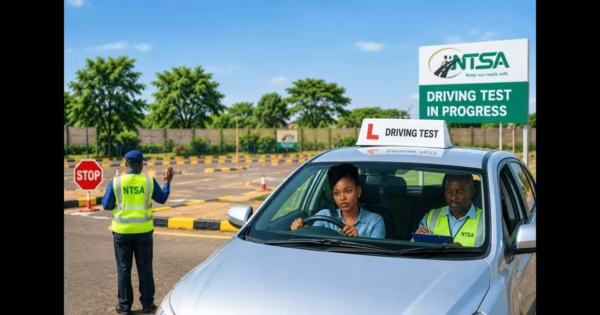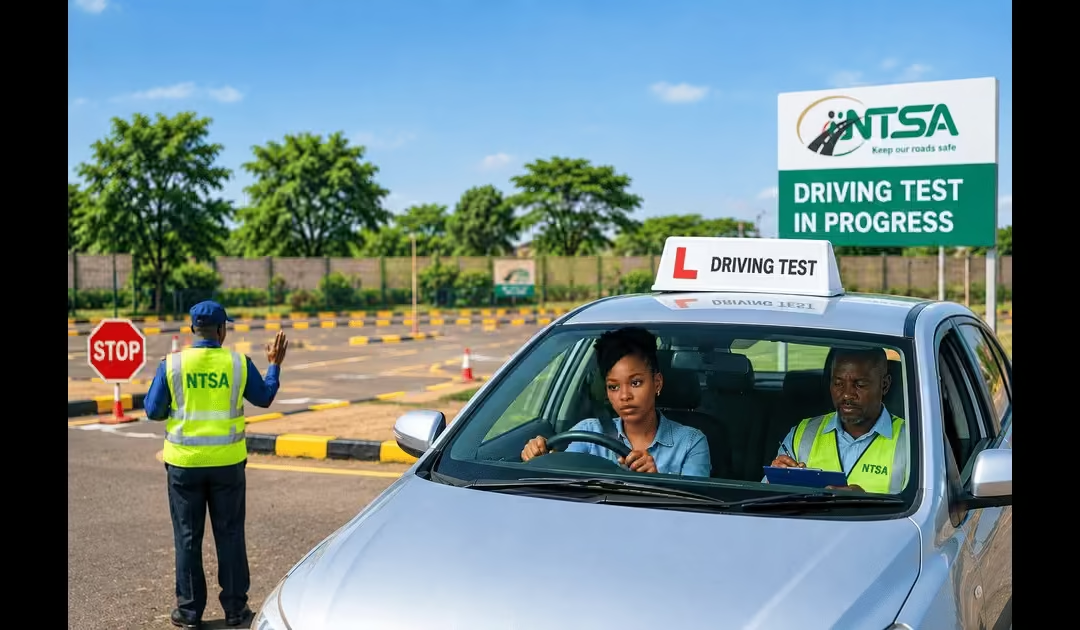
A driving test is an important step for anyone working towards getting a driving license in Kenya. After completing the required driving lessons and gaining enough experience behind the wheel, a learner who is ready for assessment must book a driving test by choosing their preferred date, time, and location. The test is conducted at a designated Driving Test Unit (DTU) by a qualified Driving Test Examiner (DTE), who assesses whether the applicant has the skills and knowledge needed to drive safely.
It can be difficult to book a driving test with NTSA without a proper guide, an understanding of the current requirements, the documents needed, the applicable fees, and what to expect on the day of the assessment. The booking of the driving test is available through the eCitizen platform; much of the booking process can be completed online, and then you attend the driving test in person. This guide is going to explain the step-by-step process of booking your driving test via eCitizen.
- What Is the NTSA Driving Test in Kenya?
- Who Conducts the Driving Test?
- What Does the NTSA Driving Test Assess?
- Requirements to Book an NTSA Driving Test
- How to Book an NTSA Driving Test in Kenya
- How Much Does the NTSA Driving Test Cost?
- What Happens If You Fail the NTSA Driving Test?
- Six Most Common Reasons Candidates Fail the NTSA Driving Test
- What Happens on NTSA Driving Test Day?
- What Happens If You Pass the NTSA Driving Test?
- Frequently Asked Questions About the NTSA Driving Test
- a) How Do I Book an NTSA Driving Test In Kenya?
- b) How Much Does The NTSA Driving Test Cost In Kenya?
- c) How Long Is The NTSA Certificate of Competence (C Of C) Valid?
- d) What Should I Do After Receiving My NTSA Certificate of Competence?
- e) Can I Reschedule My NTSA Driving Test?
- f) What Happens If I Fail the NTSA Driving Test?
- Conclusion
What Is the NTSA Driving Test in Kenya?
The NTSA driving test is an official assessment that an applicant takes to show that they have the knowledge and physical ability needed to drive a motor vehicle of the relevant class. Before taking the test, an applicant who feels ready must book a driving test by selecting their preferred date, time, and location. NTSA states that the test is conducted at designated Driving Test Units (DTUs) across the country and is carried out by Driving Test Examiners (DTEs).
Who Conducts the Driving Test?
The driving test is conducted by Driving Test Examiners (DTEs) at Driving Test Units (DTUs) located across the country. The DTE assesses the applicant based on the requirements for the relevant vehicle class. According to NTSA Kenya, an applicant who passes the driving test is issued a Certificate of Competence showing the class or classes of motor vehicles they are allowed to drive. The certificate is valid for three months.
What Does the NTSA Driving Test Assess?
The NTSA driving test assesses several areas to determine whether an applicant has the knowledge and physical fitness needed to drive the relevant class of motor vehicle. The following are the areas the driving test mostly covers.
- Knowledge of Road Rules – The applicant is tested on their understanding of the rules that apply to road use and the conduct of motorists.
- Knowledge of Road Signals and Signs – This assesses whether the applicant understands recognized road signals and signs used to control, warn, and guide road users.
- Knowledge of the Applicable Road or Highway Code – The applicant must demonstrate an understanding of the authorized road or highway code that applies to road users.
- Physical Fitness to Drive – The test also considers whether the applicant is physically fit to drive a motor vehicle of the class for which they are applying for a license.
Requirements to Book an NTSA Driving Test
Before booking an NTSA driving test, applicants need to meet certain requirements and have the necessary documents and account details ready. These requirements help confirm that the applicant is eligible to book the test and complete the process through the eCitizen/NTSA service portal. Carol’s guide on the application for the driving test highlights the following key requirements.
a) Valid Provisional Driving License (PDL)
A valid PDL is required before you can book the driving test. The PDL should be active and match the vehicle class you intend to be tested for, such as Class B for motor cars.
b) Enrolment in a Registered Driving School
You should be enrolled in a driving school that is registered and licensed by NTSA. The driving school may also help you with the test booking process and prepare you for the assessment.
c) Driving Test Booking Fee
You are required to pay the prescribed driving test fee using the available payment options on the portal. After the payment is completed successfully, a Test Booking Certificate or booking slip is issued as proof of your test appointment.
d) National ID or Passport
You need an accepted identification document to create and access your eCitizen account. You should also carry the relevant identification document when attending the driving test.
Must Read: You must have an active eCitizen account because this is where the application is done.
Read Also: How to Conduct an NTSA Motor Vehicle Search in Kenya via eCitizen (2026)
How to Book an NTSA Driving Test in Kenya
Booking an NTSA driving test is the final step in the learner-driver testing process before applying for a driving license. The booking is completed online through the NTSA Service Portal on eCitizen. Follow the procedure below to book your driving test.
Step 1: Log In to Your eCitizen Account
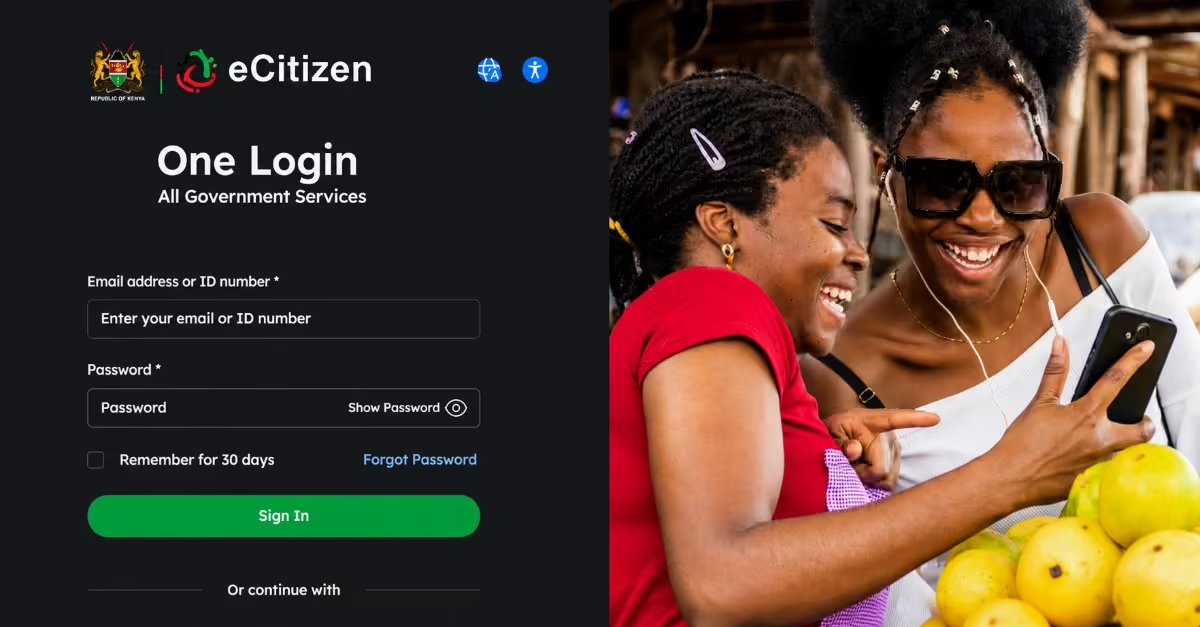
- Go to the eCitizen portal and sign in using your registered account details.
- If you do not have an eCitizen account, create one before accessing NTSA services.
Step 2: Select the NTSA Service Portal (New)
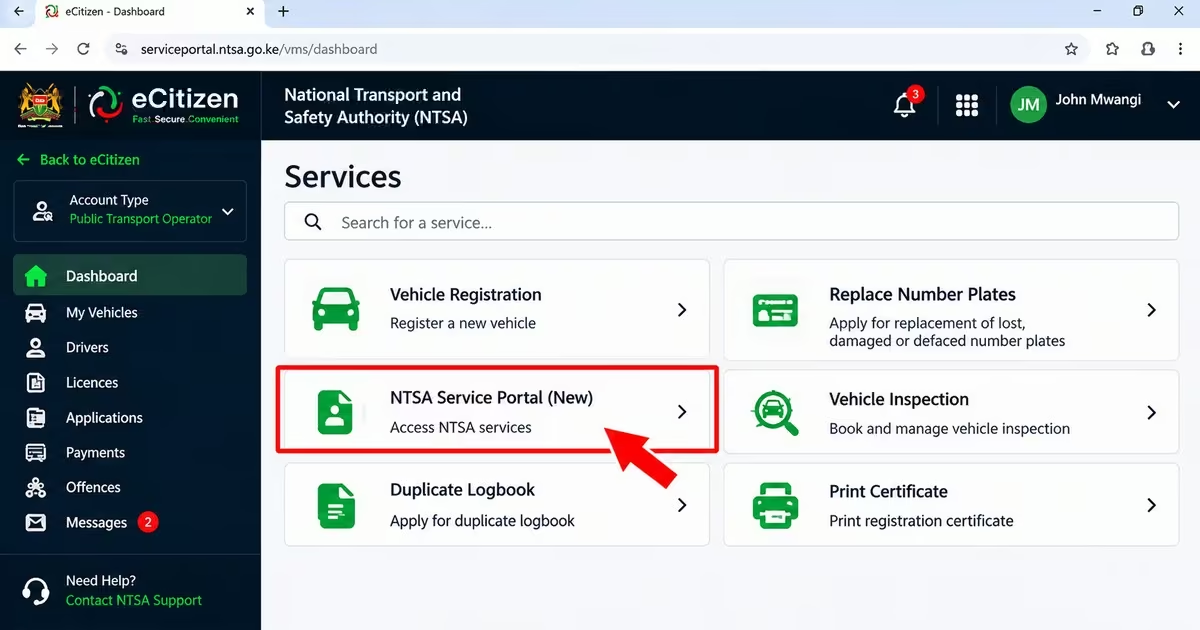
- From the eCitizen dashboard, select NTSA Service Portal (New).
- Make sure you meet the requirements for booking a driving test before proceeding.
Step 3: Select Test Booking
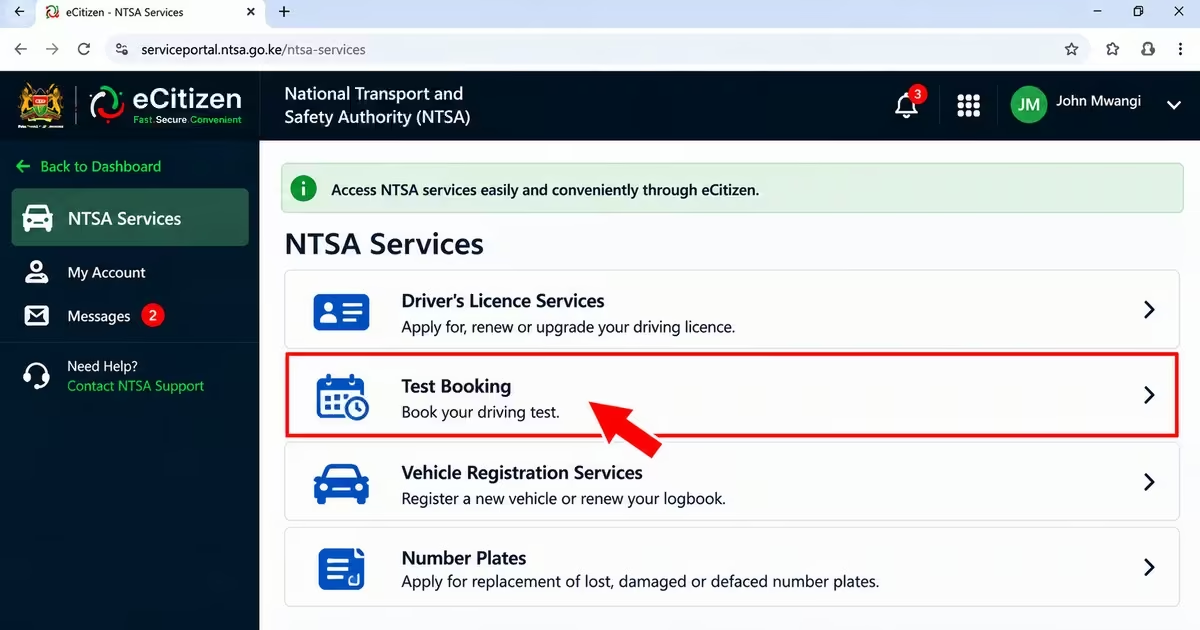
- Select Test Booking from the available NTSA services.
- Choose the applicable driving test class or category.
Step 4: Choose a Test Center and Date
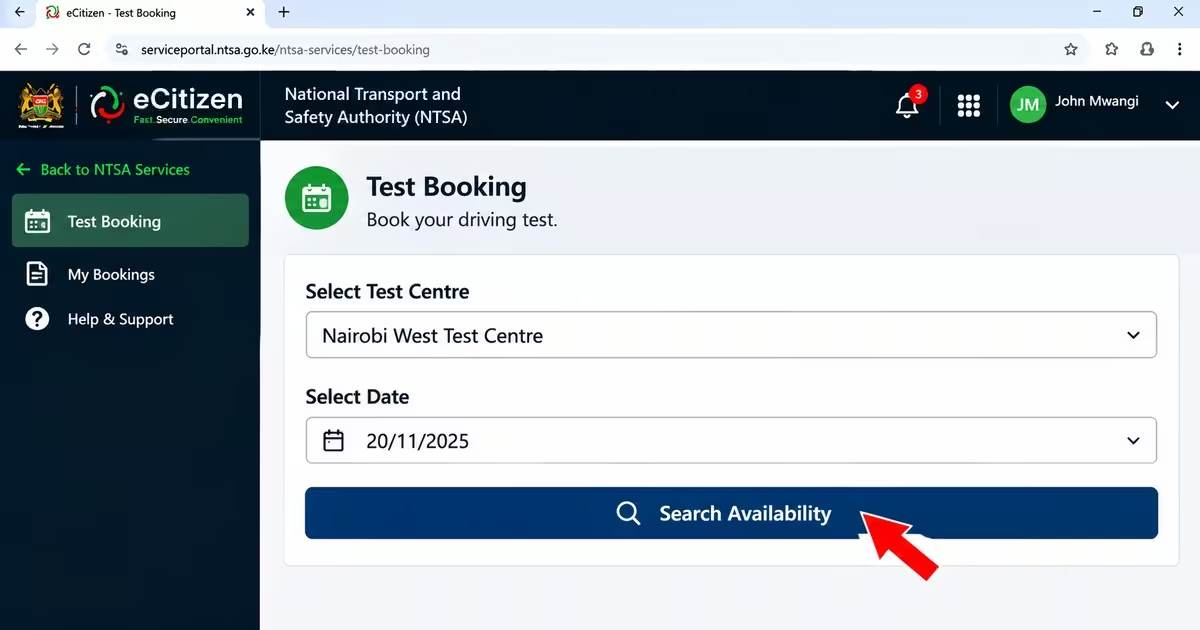
- Select your preferred NTSA test center.
- Choose an available test date and time from the options provided by the portal.
Step 5: Pay the Test Booking Fee
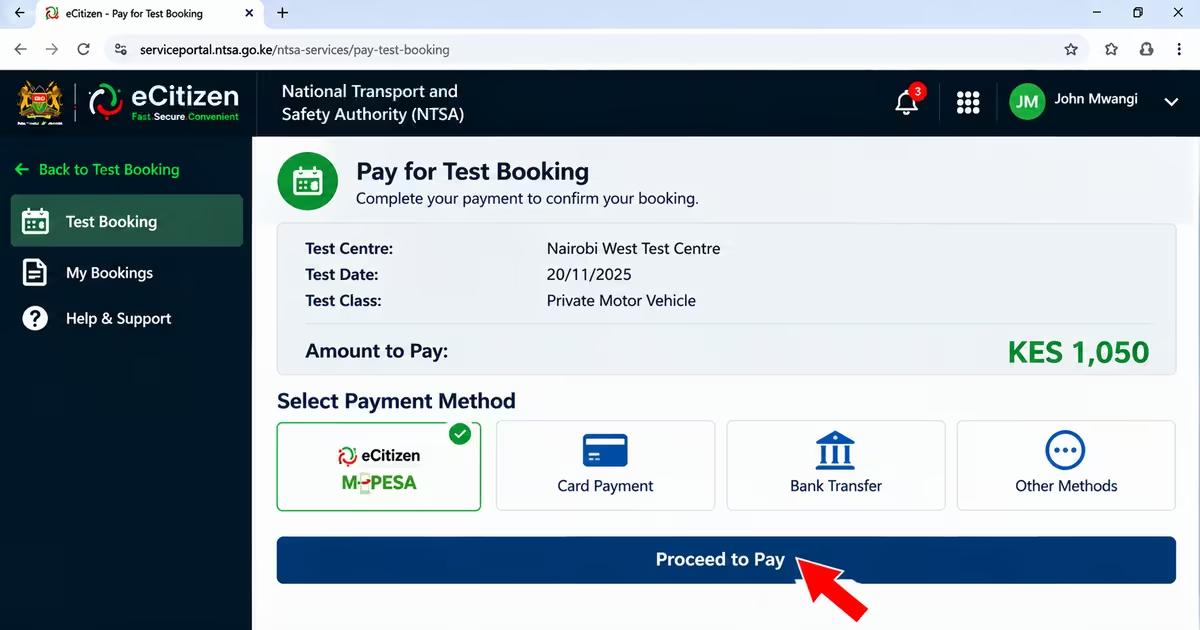
- Pay the required driving test booking fee through the available eCitizen payment options.
- The booking is confirmed after the payment has been successfully processed.
Step 6: Download the Booking Slip
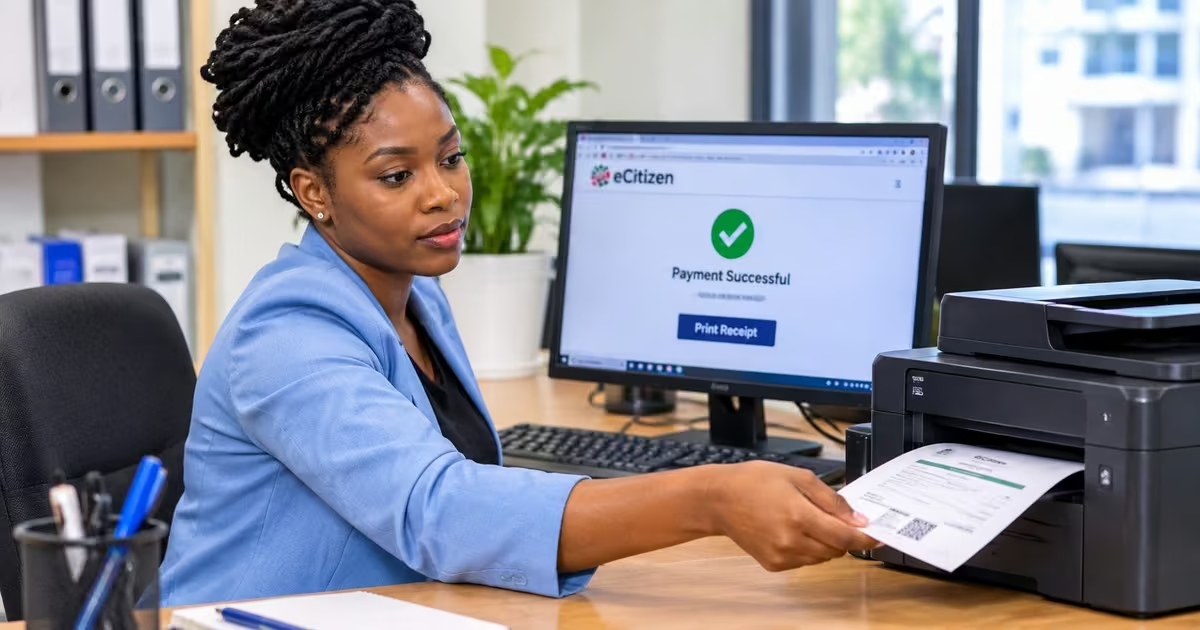
- After your payment and booking are confirmed, download the test booking slip from the portal.
- Print the slip and carry it with you on the test day, together with the required identification and driving documents.
Step 7: Attend the Driving Test
- Go to the selected test center on the scheduled date and attend the driving test.
- If you pass, you can proceed with the next stage of the driving license application.
- If you do not pass, book another test using the same procedure we used to book this one.
How Much Does the NTSA Driving Test Cost?
According to the NTSA Driver Test Booking service, booking an NTSA driving test costs KES 1,050. The fee is paid online through the eCitizen/NTSA portal during the booking process. After the payment is successfully completed, the applicant can receive the driving test booking certificate showing the selected test details.
What Happens If You Fail the NTSA Driving Test?
If you fail the theory or practical part of the NTSA driving test, you can retake the test by making a new booking through the eCitizen/NTSA portal. You will need to select a new test date and pay the applicable driving test booking fee again before taking the test. The retest gives you an opportunity to improve the areas where you had difficulties and prepare before attempting the test again.
Six Most Common Reasons Candidates Fail the NTSA Driving Test
Passing the NTSA driving test requires more than knowing how to operate a vehicle. Candidates are assessed on road rules, observation, vehicle control, and safe driving. According to Arnold’s guide on NTSA test booking, the following are common reasons why people fail the NTSA driving test.
a) Highway Code and Road Sign Errors
This mainly involves a driver confusing different road signs or failing to understand road markings, such as double solid lines, which can lead to mistakes during the test.
b) Failing to Check Mirrors Before Signaling
Drivers should check the appropriate mirrors before signaling to make sure it is safe to make the intended move. Failing to observe surrounding traffic may be considered poor observation.
c) Excessive Rollback During a Hill Start
During a hill-start exercise, allowing the vehicle to roll backward beyond the permitted distance can result in a fail. Candidates should practice controlling the clutch, brake, and accelerator to keep the vehicle steady.
d) Poor Lane Discipline at Roundabouts
Using the wrong lane for the intended exit or failing to signal appropriately when leaving a roundabout can indicate poor observation and lane discipline.
e) Incorrect Speed in Built-Up Areas
Exceeding the posted speed limit can be a failure. Candidates should also maintain a safe and appropriate speed according to the road and traffic conditions rather than driving unnecessarily slowly.
f) Difficulty During Parallel Parking
Nervousness or poor vehicle control can cause a candidate to make too many corrections, hit the curb, or complete the maneuver incorrectly. Regular practice can help improve control and confidence when parking.
What Happens on NTSA Driving Test Day?
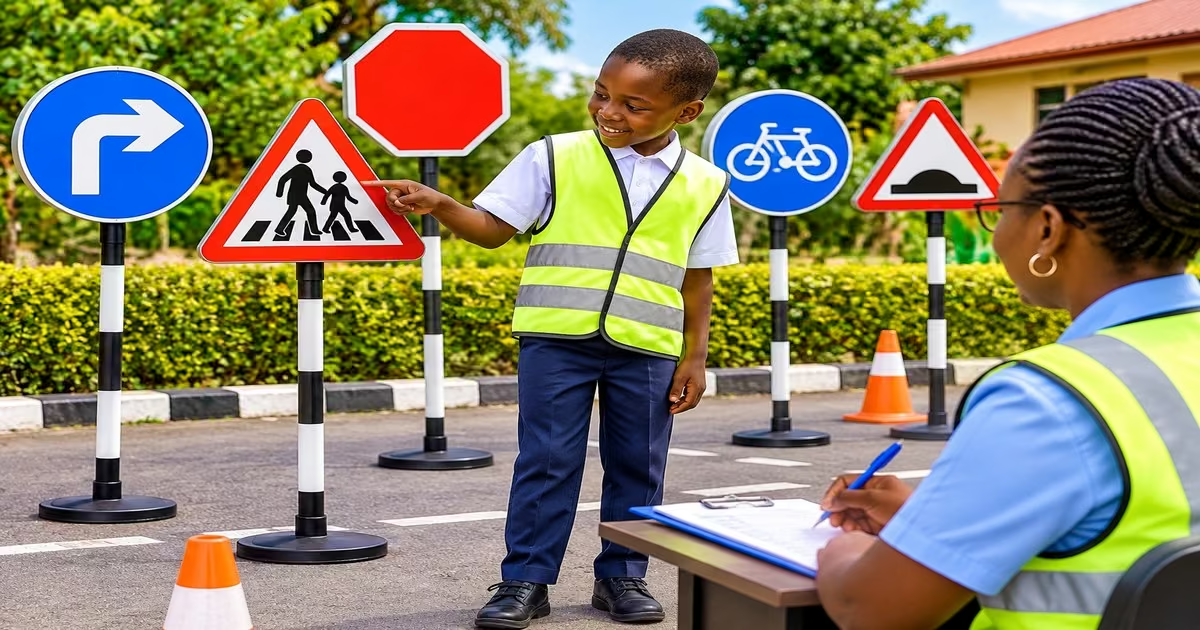
On the day of your NTSA driving test, you will be assessed on your knowledge of road rules and your ability to operate a vehicle safely. This test is mainly classified into two parts: a theory test and a practical driving test. These two have been explained in detail below.
I. Theory Test
The theory section tests your understanding of basic road-use and safety requirements. It may cover:
- Road Signs – Recognizing and understanding different traffic signs.
- Traffic Rules – Understanding the rules that apply to drivers and other road users.
- Road Safety – Knowing safe driving practices and responsible road use.
- Model Town Board – Understanding and responding to different road situations shown on the model town board.
II. Practical Driving Test
During the practical test, the Driving Test Examiner (DTE) observes how you operate and control the vehicle. The assessment may include:
- Vehicle Control – Operating the vehicle smoothly and safely.
- Observation and Mirror Use – Checking the surroundings and using the mirrors correctly.
- Vehicle Maneuvers – Performing the required maneuvers safely and correctly.
- Hill Start and Parking – Performing exercises such as a hill start and the required parking maneuvers.
- Road Discipline – Following traffic rules, maintaining proper road position and driving safely in different road situations.
Read Also: How to Access, Download, and Verify NTSA eLogbook on eCitizen (2026 Guide)
What Happens If You Pass the NTSA Driving Test?
After successfully passing the NTSA driving test, including the required theory and practical assessments, you are issued a Certificate of Competence. The certificate confirms the vehicle class or classes you have demonstrated competence to drive and is valid for three months from the date of issue. It is an important document in the process of obtaining your driving license.
After receiving your Certificate of Competence, you should proceed with the driving license application within its validity period. Completing the process promptly helps ensure that the certificate remains valid when you apply for your license.
Frequently Asked Questions About the NTSA Driving Test
a) How Do I Book an NTSA Driving Test In Kenya?
You can book an NTSA driving test through the eCitizen/NTSA Service Portal. Log in to your account, select the driving test service, choose an available test date, time, and center, and pay the required fee. A booking certificate is issued after successful payment. The process has been explained in detail in the guide above.
b) How Much Does The NTSA Driving Test Cost In Kenya?
The NTSA driving test booking fee is KES 1,050. The fee is paid through the available payment options on the eCitizen/NTSA portal when making the booking.
c) How Long Is The NTSA Certificate of Competence (C Of C) Valid?
The Certificate of Competence (C of C) is valid for three months from the date of issue. It shows the vehicle class or classes that you have demonstrated competence to drive.
d) What Should I Do After Receiving My NTSA Certificate of Competence?
After receiving your Certificate of Competence, you should proceed with your driving license application through the NTSA/eCitizen portal while the certificate is still valid.
e) Can I Reschedule My NTSA Driving Test?
You may be able to reschedule your driving test, depending on the options available on the NTSA portal and the applicable NTSA procedures. Check your booking through the eCitizen/NTSA portal for the available options.
f) What Happens If I Fail the NTSA Driving Test?
If you fail the driving test, you can book another test through the eCitizen/NTSA portal. You will need to make a new booking and pay the applicable test fee before taking the test again.
Read Also: How to Upgrade Your Driving Licence Class in Kenya: Step-by-Step NTSA eCitizen Guide
Conclusion
The NTSA driving test is an important step towards obtaining a driving license in Kenya because it assesses your knowledge of road rules and your ability to operate a vehicle safely. Before taking the test, ensure that you have all the requirements, such as a valid Provisional driving license, have completed the required training from an NTSA-licensed driving school, and have a valid ID. After that, you can then book the test through the eCitizen/NTSA portal by following the procedure explained above. On the test day, prepare for both the theory and practical assessments. If you pass, you are given a certificate of completion, which is valid for only three months; thus, you must proceed with your application for the driving license before it expires. If you do not pass, you can rebook and retake the test after further preparation.