
Introduction
In an increasingly connected world, cybersecurity has become a cornerstone of trust between technology providers and their enterprise clients. Organizations rely on comprehensive logging and monitoring systems to detect threats, trace suspicious behavior, and maintain compliance with security standards. When those logs go missing, the implications are profound. In these article, we delve on the impact of Microsoft’s security log loss and its implications and how to prepare for the same.
In September 2024, Microsoft—one of the largest cloud service and software providers globally—disclosed a significant issue: a flaw in its logging infrastructure resulted in the partial loss of critical security logs for nearly a month. While the company emphasized that no security compromise occurred, the implications of the lost logs are being debated across cybersecurity circles, raising questions about transparency, risk management, and the reliability of enterprise cloud services.
This blog delves into the Microsoft security log loss incident, analyzes its impact, and explores what organizations can learn from it. We’ll also cover key reactions, provide recommendations for risk mitigation, and discuss how this event fits into the broader cybersecurity landscape.
The Incident: What Happened?
According to Microsoft’s own admission, a bug in its internal monitoring systems caused significant data logging disruptions between September 2 and September 19, 2024. The issue affected logs that are critical for identifying unauthorized access, anomalous activity, and other cybersecurity events.
Affected services include:
- Microsoft Entra – incomplete sign-in and activity logs
- Azure Logic Apps & Healthcare APIs – incomplete platform logs
- Microsoft Sentinel – incomplete security alerts
- Azure Monitor – disrupted diagnostic data
- Azure Trusted Signing – missing SignTransaction and SignHistory logs
- Azure Virtual Desktop – incomplete telemetry in Application Insights
- Power Platform – discrepancies in data reports
Microsoft revealed that the root cause was not a malicious attack, but rather a technical bug introduced during routine updates. This bug prevented a subset of internal agents from successfully uploading log event data, leading to a temporary loss in visibility. The flaw was discovered during the process of fixing an unrelated issue. Once identified, Microsoft resolved the problem and initiated customer outreach to notify those potentially affected.
Why Are Security Logs So Important?
Security logs form the foundation of threat detection and incident response. They are the breadcrumbs that cybersecurity teams follow to:
- Detect unauthorized access attempts
- Investigate and reconstruct breach scenarios
- Monitor unusual behavior across cloud environments
- Ensure compliance with legal and industry standards (e.g., HIPAA, ISO 27001, GDPR)
- Meet internal audit and forensic investigation requirements
A loss of logging data is akin to flying blind. Organizations may be unable to detect a breach—or worse, they may fail to realize that one occurred. As noted by cybersecurity expert Bruce Schneier, “Logs are security. If you don’t log it, it didn’t happen”.
This incident underscores the criticality of secure, redundant, and reliable logging infrastructures—particularly for enterprises handling sensitive data.
Impact on Microsoft’s Customers

For many organizations, the fallout of missing logs can extend far beyond a technical inconvenience. The loss directly affects:
1. Threat Detection Capabilities
Security teams rely on timely and complete logs to identify ongoing threats. With partial or missing logs, some attacks may have gone undetected during the affected window.
2. Incident Response & Forensics
If a breach had occurred during that timeframe, forensic investigations would have been hampered due to gaps in the available data. This compromises not only security protocols but also legal defenses in the case of litigation.
3. Compliance Risks
Organizations under regulatory scrutiny (such as healthcare, finance, and government) must retain logs for auditing purposes. Gaps in log data may put these organizations at risk of non-compliance, leading to fines and reputational damage.
4. Operational Confidence
Trust in cloud services depends on their reliability. When fundamental tools like logging fail, organizations may reconsider vendor choices or explore hybrid-cloud approaches that offer more control.
5. Reputation & Risk Management
Although Microsoft reported that the bug was not exploited maliciously, the mere possibility of unseen threats during the logging gap can erode stakeholder trust.
In addition, affected customers may face challenges during their own audits and security assessments, as they may not be able to account for specific activities that occurred during the log loss period.
Microsoft’s Response: Transparent or Too Late?
Microsoft has publicly acknowledged the issue and claims that all impacted customers have been notified. A company spokesperson told TechCrunch that the bug has been resolved and steps have been taken to prevent similar incidents in the future.
Additionally, Microsoft has launched a post-incident review and is working with enterprise clients to assess potential risks stemming from the logging gap.
However, the company’s communication strategy has raised some concerns. Critics argue that:
- Notification to customers came weeks after the issue began
- Details in the public domain were initially vague, relying on journalistic investigations to surface the story
- Microsoft’s prior experience with high-profile security events (e.g., SolarWinds, Exchange vulnerabilities) suggests a need for more proactive disclosure
While the situation was resolved, transparency around detection time, root cause analysis, and internal safeguards could have been better handled.
What the Industry Is Saying
Gartner’s Take
According to cybersecurity analysts at Gartner, this incident highlights the risks of cloud service provider dependency. Enterprises are advised to diversify their monitoring systems and maintain off-cloud log backups.
They also suggest that organizations adopt stricter third-party risk management protocols and include audit rights in their cloud service agreements.
Infosec Professionals’ Reaction
Cybersecurity forums like Reddit’s /r/netsec and professional groups on LinkedIn saw robust discussions around the implications of the bug. The consensus points to a shared concern: if it happened at Microsoft, it could happen anywhere.
Many security professionals argue that this event reinforces the importance of zero-trust architectures and data sovereignty.
Lessons Learned: What Enterprises Can Do Now
In light of this event, organizations must re-evaluate how they manage, store, and verify their logging systems—especially when relying on third-party cloud providers.
1. Implement Multi-Tier Logging
Use multiple systems for log collection, including redundant third-party tools that mirror cloud-provider logs.
2. Export and Archive Logs Off-Cloud
Set up scheduled log exports to secure, isolated storage systems to preserve audit trails. These exports should be encrypted and validated for integrity.
3. Conduct Regular Log Audits
Perform gap analysis and timestamp verification to ensure continuity and completeness. Spot-check logs across all platforms to detect anomalies.
4. Enhance Vendor Oversight
Request transparency from cloud providers regarding logging infrastructure and incident response protocols. Insist on clear SLAs and monitoring capabilities.
5. Invest in SIEM and SOAR Solutions
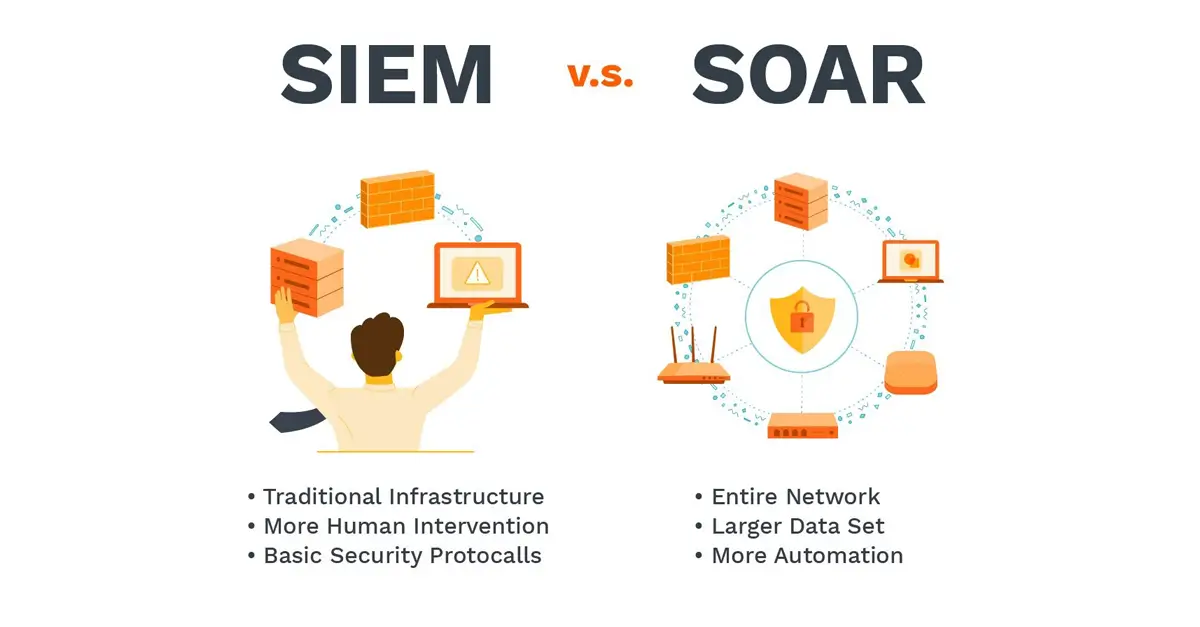
These systems can normalize, analyze, and retain log data independently of the cloud provider’s native systems. Make sure these tools have proper alerting mechanisms.
6. Test for “What If” Scenarios
Simulate log outages in tabletop exercises to understand operational and security impacts. Prepare response playbooks and escalation paths.
7. Include Log Retention Clauses in Contracts
Ensure service agreements with cloud providers clearly define responsibilities around log collection, retention, and failure notifications.
The Broader Context: Trust, Resilience, and Risk
This incident is not just a technical glitch—it’s a governance issue.
Cloud computing is a shared responsibility model. While providers are responsible for infrastructure security, customers must ensure their data and configurations are resilient against such failures.
As businesses increasingly migrate workloads to cloud environments, the resilience of monitoring infrastructure becomes non-negotiable. Logging disruptions, even temporary ones, can undermine years of investment in security architecture.
Microsoft is not alone in experiencing this kind of issue. AWS, Google Cloud, and other vendors have all had their moments. The key takeaway is not to vilify Microsoft, but to understand that even mature systems are not immune to failure.
Moreover, this incident should catalyze broader industry reforms. More robust cloud logging standards, stronger contractual protections, and increased collaboration between enterprises and vendors are urgently needed.
Recommendations for Microsoft
While Microsoft has acted swiftly to patch the problem, long-term credibility will depend on deeper changes. Here are some steps Microsoft could take to restore customer trust:
- Publish a detailed technical post-mortem that includes detection time, root cause, and resolution timeline
- Offer compensatory support for affected enterprise clients with compliance obligations
- Enhance transparency and visibility into its monitoring infrastructure, potentially via third-party audits
- Enable customizable log redundancy options for clients who want more control over data retention
- Introduce alerts when logging stops or is interrupted for critical services
Final Thoughts and Conclusion
This incident should serve as a wake-up call for every enterprise operating in the cloud.
Security logs are not just metadata—they are vital evidence, real-time alerts, and a cornerstone of digital trust. Whether due to bugs or breaches, their loss is always serious.
Microsoft’s reputation as a leader in cybersecurity is not likely to be permanently damaged, but this event will leave its mark. More importantly, it will prompt a renewed focus on how logs are collected, where they are stored, and what redundancy mechanisms are in place.
In the end, the lesson is clear: don’t put all your logs in one basket—even if it’s a Microsoft one.