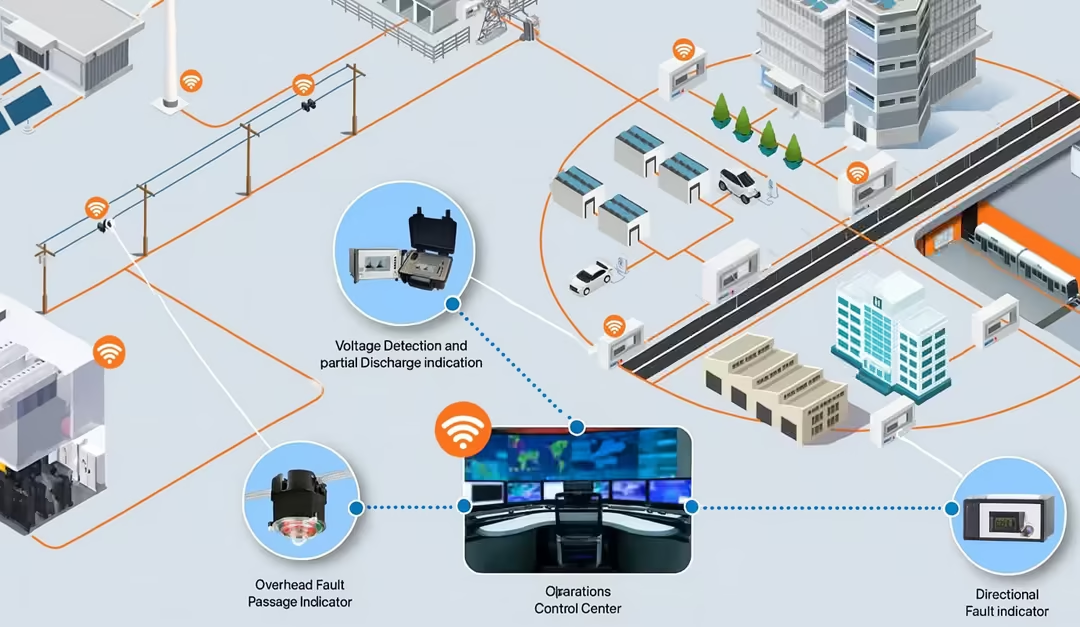
Global electricity demand is steadily increasing due to population growth, rapid urbanization, industrial development, and the growing use of digital technologies. Homes, businesses, and industries now depend more than ever on reliable power. However, traditional electricity systems are struggling to cope with this demand while also managing rising costs and meeting sustainability targets. As a result, utilities and governments are exploring smarter and more efficient ways to produce, distribute, and manage electricity.
Smart grids offer a modern solution to these challenges by combining electricity networks with digital technology, automation, and real-time data. Unlike traditional power grids, which mainly deliver electricity in one direction, smart grids allow two-way communication between energy providers and consumers. This means utilities can monitor electricity flow more closely, respond to changes faster, and manage the system more effectively.
By using technologies such as advanced sensors, smart meters, and data analytics, smart grids have improved the reliability of electricity supply and reduced power outages. Smart grids can detect faults early, respond quickly to disruptions, and balance electricity supply and demand more accurately. Smart grids also make it easier to integrate renewable energy sources like solar and wind, which fluctuate in their electricity output depending on weather conditions.
Understanding the Smart Grid
Smart grids are modern electricity networks that use digital technology to manage power flow more efficiently. Unlike traditional power systems, smart grids combine physical infrastructure with communication networks, sensors, and software to collect and analyze real-time data, as per the Enel group. This enables energy providers to make informed decisions and respond quickly to changes in electricity demand and supply.
One of the key differences between smart grids and traditional electricity grids lies in communication. Traditional systems operate on a one-way model, where electricity flows from power plants to consumers with limited feedback. Smart grids enable two-way communication between utilities and consumers, enabling both parties to share information. This improves visibility, control, and overall performance of the power system.
Smart grids also offer greater flexibility and reliability by automatically detecting faults, isolating problem areas, and restoring power more quickly during outages. In contrast, traditional grids often rely on manual processes, which can lead to longer downtime and higher operational costs. Smart grids are also better placed to integrate renewable energy sources, electric vehicles, and energy storage systems.
In addition, smart grids empower consumers by giving them greater insight into their energy use. Through smart meters and digital platforms, users can track consumption in real time, manage usage more effectively, and reduce costs. This shift toward a more interactive, efficient electricity system makes smart grids a critical foundation for sustainable, resilient energy distribution.
How Smart Grids Work
A smart grid functions as an intelligent, automated platform for electricity distribution. It integrates digital sensors and two-way communication across the entire network. This infrastructure enables continuous monitoring of energy flow from generation to consumption. Consequently, the system can dynamically balance how electricity is supplied, considering demand, thereby improving the reliability of energy resources. A study by Solar Tech highlights the following components that constitute the smart grid.
a. Advanced Metering Infrastructure
At the foundation of every smart grid lies the Advanced Metering Infrastructure, a network of smart meters that serves as the electrical network’s digital nervous system. Smart meters provide continuous, two-way communication of energy data, whereas traditional analog meters require manual reading. The smart meters are used to do the following.
- Collect data continuously- they are used to record electricity usage at shorter intervals, often every 15 minutes or less, depending on how the meter is configured.
- Enable two-way communication- they send the usage data to the utility company and receive commands back.
- Support dynamic pricing- they allow real-time pricing based on supply and demand.
- Detect outages automatically- Alerting the utility company immediately when power is lost.
- Enable remote service operations-Allow the utility company to connect or disconnect electricity service remotely, eliminating the need for on-site visits.
b. Two-way Communication
To enable real-time data exchange among all grid components, smart grids rely on robust communication networks. For this communication to work perfectly, the use of different technologies such as:
- Fiber-optic cables are used to provide high-speed, secure data transmission for critical infrastructure.
- Wireless networks- These include cellular networks, Wi-Fi, and dedicated radio frequencies used to support two-way communication within smart grids.
- Power line communications- this technology uses the existing electrical wires to carry data signals.
- Satellite communications- they ensure connectivity in remote areas.
c. Energy Storage Integration
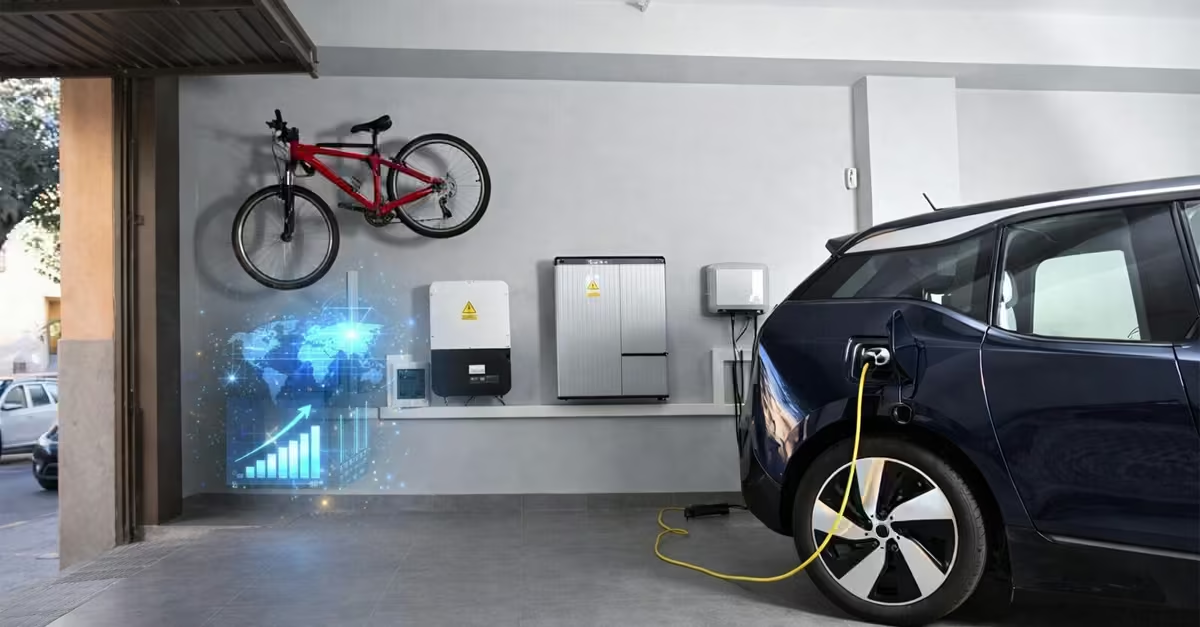
Energy storage systems (ESS), particularly battery technologies, play a vital role in smart grids by addressing the fluctuating nature of renewable energy sources such as solar and wind, which depend on weather conditions to generate electricity. They store excess electricity generated during periods of high production or low demand and release it when demand increases or generation drops. This capability helps balance electricity supply and demand, improves grid reliability, and supports the efficient integration of renewable energy into the power system. These systems include the following:
- Battery Energy Storage Systems (BESS) – These systems use advanced batteries to store electricity and release it quickly when needed. They are highly responsive, making them ideal for stabilizing the grid during sudden fluctuations in supply or demand.
- Pumped Hydro Storage – This method stores energy by pumping water to a higher elevation during periods of low demand and releasing it through turbines to generate electricity during periods of high demand. It provides large-scale and long-duration storage. This is one of the most established energy storage technologies.
- Compressed Air Energy Storage (CAES) – CAES systems store energy by compressing air and keeping it in underground tanks. When electricity is needed, the compressed air is released to drive turbines, generating power. This approach allows for large-scale storage over extended periods.
- Vehicle-to-Grid (V2G) technology– V2G systems use the batteries of electric vehicles as distributed storage. Electric vehicles can store energy when demand is low and supply it back to the grid during peak periods, helping balance supply and demand while supporting the integration of renewable energy.
d. Grid Automation and Control Systems
The intelligence of a smart grid is powered by advanced software systems that make instant decisions to keep the grid running smoothly. These systems include:
- Supervisory Control and Data Acquisition (SCADA)
It is a computer-based system that combines hardware and software to collect, monitor, and analyze electricity grid data in real time. This allows utilities to closely oversee grid operations and respond quickly to changes or issues within the system, as per R.W.Hurst. In smart grids, SCADA systems monitor the power grid in real time and remotely control operations. Grid operators interact with grid equipment through human–machine interface (HMI) software, which enables them to monitor system conditions and manage grid operations efficiently. SCADA systems also record operational events in log files, providing valuable data for analysis, performance evaluation, and fault investigation. Research done by Tutorials Point highlights the following SCADA functions in the smart grid.
- Data collection- it’s used to collect data from sensors and monitoring devices installed across the entire grid.
- Transmission – it transmits the data collected from the grid to the SCADA master station.
- Storage and analysis of grid data to gain insights into system performance and operating conditions.
- Remote monitoring and control of grid operations.
- Detection of faults or abnormal conditions and notification of grid operators.
- Creation of log files for grid operations and generation of analytical reports.
- Distribution Management Systems (DMS).
Refer to technologies that manage the distribution of electricity across a power network. They are designed to improve the efficiency and reliability of the grid by using data collected from various sensors and connected devices. DMS platforms optimize distribution network operations by enabling automatic fault location and isolation, applying voltage optimization algorithms, supporting load forecasting and network planning, and facilitating the integration of distributed energy resources.
e. Real-Time Data Flow and Monitoring
Smart grids generate and process large amounts of data every second. Through smart meters and other digital devices, utilities collect detailed information about how electricity is used across the network. This continuous flow of data helps utilities understand system conditions and make better operational decisions.
By analyzing this data, smart grids support predictive maintenance by identifying equipment that may fail before problems occur. They also improve load forecasting by predicting electricity demand patterns more accurately, which helps to detect energy theft by identifying unusual or unauthorized usage, and enable ongoing grid optimization by continuously improving system efficiency and performance.
f. Demand Response Mechanisms
Smart grids support advanced demand response programs that help balance electricity supply and demand by adjusting consumption, rather than relying only on power generation. These programs allow the grid to respond more flexibly during periods of high demand. They work by:
- Sending price signals to smart appliances and thermostats.
- Automatically reducing non-essential electricity use during peak periods.
- Encouraging consumers to shift energy use to off-peak hours.
- Coordinating energy demand with large industrial and commercial customers.
Read Also: How EdTech is Shaping the Future of Learning: The Rise of Online Classrooms and Digital Tools
Key Technologies Powering Smart Grids
Smart grids depend on a range of advanced digital technologies to operate efficiently, reliably, and securely. These technologies work together to collect data, monitor system performance, automate operations, and enable real-time communication across the electricity network. According to insights published by ICG (2025), the following are the key technologies used in smart grids.
- Artificial Intelligence (AI) and Machine Learning
Artificial intelligence and machine learning strengthen smart grid operations by analyzing large volumes of data and supporting predictive decision-making. AI systems help forecast electricity demand, detect unusual patterns, and optimize power distribution automatically. By learning from both historical and real-time data, AI improves efficiency, reduces operating costs, and enables faster fault detection and system recovery.
- Smart Meters
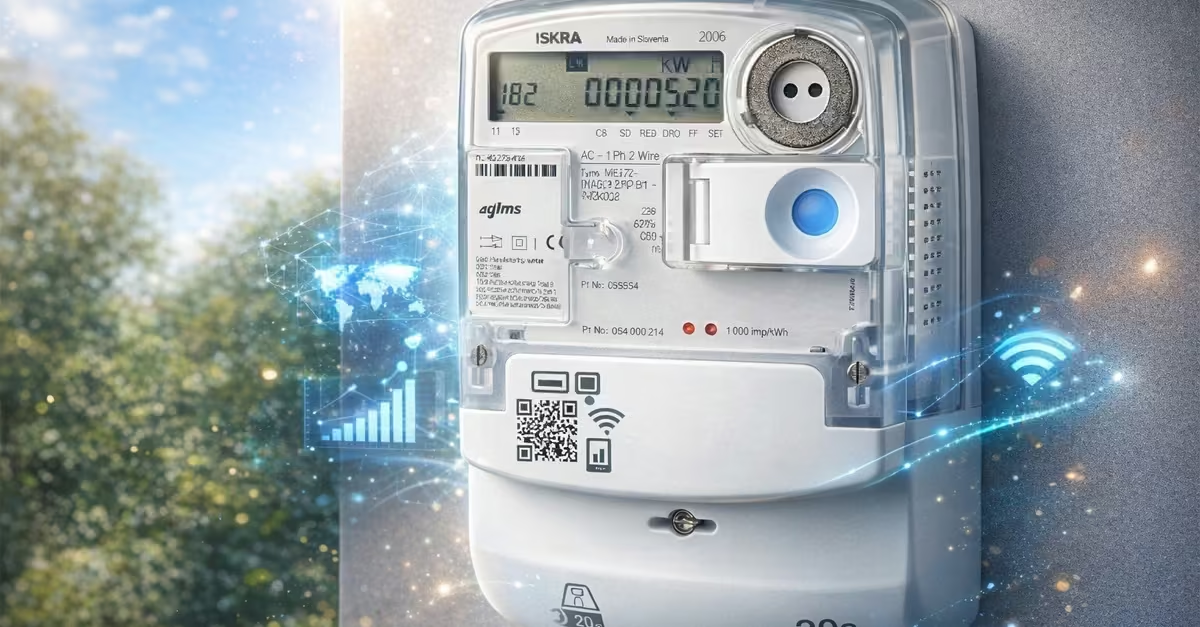
Smart meters replace traditional electricity meters by providing real-time data on energy consumption. They enable two-way communication between consumers and utilities, allowing users to monitor their usage and make informed decisions about energy efficiency. For electricity providers, smart meters improve billing accuracy, demand forecasting, and load management.
- Sensors and Internet of Things (IoT) Devices
Sensors and IoT devices are applied across the grid to continuously monitor voltage levels, equipment performance, and environmental conditions. This real-time visibility allows grid operators to quickly detect irregularities, respond to disruptions, and balance supply and demand more effectively, thereby enabling reliability and operational efficiency.
- Blockchain Technology
Blockchain provides a secure, transparent framework for managing energy transactions in smart grids. It enables peer-to-peer energy trading, particularly in decentralized systems where consumers can also act as producers. By ensuring data integrity and trust without centralized control, blockchain supports efficient, auditable, and tamper-resistant energy exchanges.
- Energy Storage Systems
Energy storage technologies, such as batteries, are essential for managing excess energy generated from renewable sources like solar and wind. Stored energy can be released during periods of high demand or low generation, improving grid stability and reliability. Energy storage also supports peak load management and enhances the overall flexibility of the smart grid.
Benefits of Smart Grids for Energy Distribution
Smart grids offer a wide range of benefits for utilities, consumers, and the energy system as a whole. By combining digital intelligence with electricity infrastructure, they improve how power is produced, distributed, and used. These advantages make smart grids an essential solution for meeting today’s growing energy demands. As per WTS Energy (2025)
- Improved Energy Efficiency-Through real-time monitoring and automated controls, smart grids reduce energy losses and ensure electricity is delivered where and when it is needed most. This leads to more efficient use of available power resources.
- Enhanced Reliability and Fewer Outages-Smart grids can detect faults early and respond automatically to problems. This allows utilities to restore power faster during outages, reducing downtime and improving overall service reliability.
- Better Integration of Renewable Energy-Smart grids make it easier to integrate renewable energy sources such as solar and wind. By balancing supply and demand in real time, they help manage the variability of renewable power and support cleaner energy systems.
- Cost Savings for Utilities and Consumers-More efficient operations and predictive maintenance help utilities lower operational costs. Over time, these savings can translate into reduced electricity costs for consumers.
- Greater Consumer Control and Transparency-With smart meters and digital platforms, consumers can monitor their electricity usage more closely. This transparency helps users manage consumption, avoid waste, and make more informed energy decisions.
Smart Grids and Renewable Energy Integration
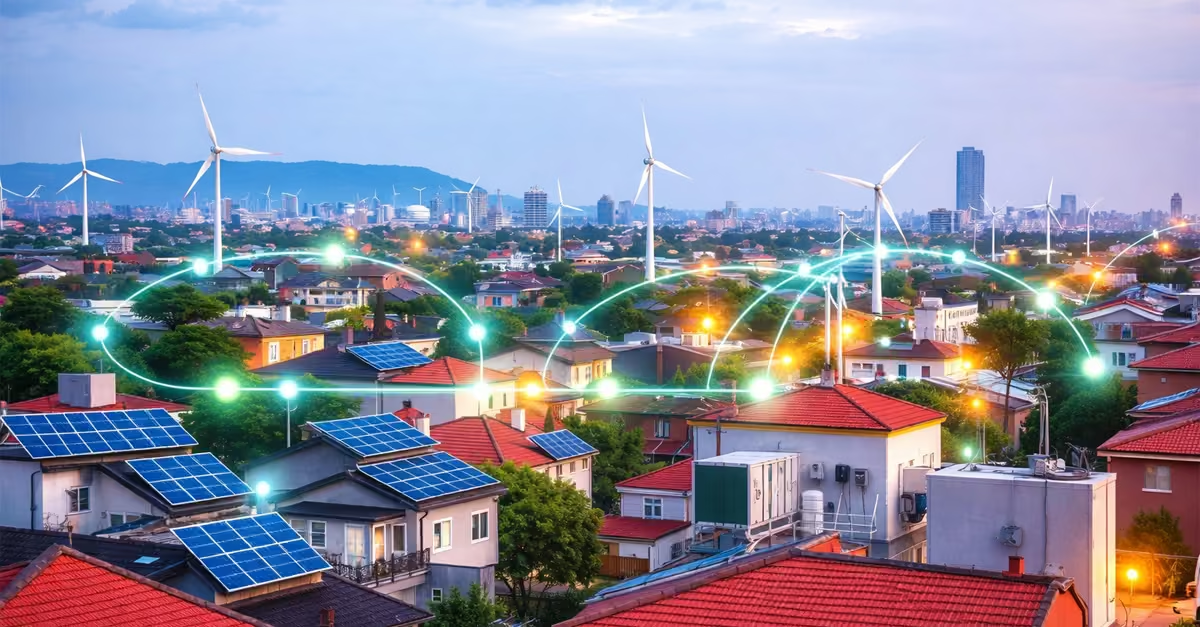
Smart grids play a critical role in integrating renewable energy sources such as solar and wind into modern electricity networks. Unlike conventional power generation, renewable energy output often depends on weather conditions, leading to fluctuations in electricity supply. These variations are difficult to manage using traditional grid systems. Smart grids address this challenge by using real-time monitoring, forecasting tools, and automated controls to balance electricity generation with demand, helping maintain grid stability even when renewable output changes.
Through advanced sensors, smart inverters, and energy management systems, smart grids can better manage intermittent power generation. They enable quick adjustments in power flows, support the use of energy storage systems, and coordinate distributed energy resources across the network as per Nenopower (2025). This allows utilities to maximize the use of clean energy while maintaining reliable and secure electricity delivery. As a result, smart grids make large-scale integration of renewable energy technically and operationally feasible, supporting the transition to a cleaner, more sustainable energy future.
Read Also: Smart Cities: How IoT is Transforming Urban Living
The Role of Smart Grids in Energy Storage and Electric Vehicles
Smart grids play a key role in managing energy storage and electric vehicles by supporting the integration of renewable energy and optimizing electricity use. They provide real-time monitoring and control of energy flows, which becomes increasingly important as more electric vehicles (EVs) are added to the grid.
Smart grids also enable Vehicle-to-Grid (V2G) technology, allowing EVs to feed stored energy back into the grid when needed. This not only enhances grid stability but also creates potential new revenue streams for EV owners. By connecting energy storage systems, EVs, and renewable sources, smart grids make the electricity network more responsive, efficient, and sustainable, while supporting cleaner transportation and reducing carbon emissions.
Challenges and Limitations of Smart Grid Implementation
Although smart grids have improved today’s modern energy systems, their implementation requires careful planning and long-term commitment. Moving from traditional power networks to digitally enabled grids involves major changes to infrastructure, technology, and day-to-day operations. The following are the major limitations.
- High Initial Investment Costs
Smart grids require significant upfront investment in technologies such as smart meters, sensors, communication networks, and advanced software systems. These costs can be a major challenge, especially for electric providers operating on limited budgets.
- Aging Infrastructure and Upgrade Requirements
Many existing electricity networks were built long before digital technologies became common. Upgrading or replacing this legacy infrastructure to support smart grid functions can be complex, expensive, and sometimes disruptive to normal power supply operations.
- Technical Complexity and System Integration
Smart grids rely on integrating multiple technologies, platforms, and devices. Managing these interconnected systems requires specialized technical expertise, strong coordination, and continuous monitoring to ensure reliable and stable performance.
- Cybersecurity and Data Privacy Risks
Greater digital connectivity increases exposure to cyber threats. Protecting critical infrastructure and sensitive consumer data requires strong cybersecurity measures, regular system updates, and ongoing risk management efforts.
- Workforce Skills and Training Gaps
Operating and maintaining smart grid systems demands highly skilled professionals with expertise in digital technologies and power systems. A shortage of trained personnel can slow implementation and increase operational risks, highlighting the need for ongoing workforce training and development.
Conclusion
Smart grids represent a major improvement in how electricity systems operate by combining digital technology with physical infrastructure to deliver more efficient, reliable, and flexible energy networks. Smart grids use a range of technologies, including smart meters, the Internet of Things, block chain, artificial intelligence, and energy storage systems. Through these technologies, consumers can enjoy benefits such as improved efficiency, enhanced reliability, better integration, and cost savings. As a result, smart grids improve energy distribution, support the integration of renewable energy, and help consumers better understand and manage their electricity use. While challenges such as high initial costs, infrastructure upgrades, regulatory barriers, and technical complexity still exist, the long-term benefits are significant. Smart grids strengthen energy security, support sustainability goals, and provide a strong foundation for future innovations such as electric vehicles and decentralized energy systems.