Motor vehicle inspection in Kenya is a mandatory process conducted by the National Transport and Safety Authority (NTSA) to ensure that vehicles meet the required safety and legal standards before being allowed on the road. If you own a private car, a Public Service Vehicle (PSV), or another commercial vehicle, regular inspection helps confirm that the vehicle is safe and roadworthy for use on Kenyan roads.
Today, booking an NTSA motor vehicle inspection in Kenya is done fully online through the eCitizen NTSA portal, making the process quicker and more convenient for motorists. Vehicle owners don’t need to spend hours in long queues, since inspection appointments, fee payments, and booking confirmations can all be completed digitally.
In this guide, I will guide you on:
- How to book an NTSA vehicle inspection step-by-step
- The requirements needed and inspection charges
- common mistakes that can cause delays or failed inspections.
Read Also: How to Place a Vehicle Caveat: Step-by-Step Guide
What is NTSA Motor Vehicle Inspection?
An NTSA vehicle inspection is a mandatory process conducted by the National Transport and Safety Authority to verify that a vehicle meets the required safety, mechanical, and environmental standards in Kenya, as per Fred (2025). The inspection helps confirm that vehicles used on public roads are roadworthy, well-maintained, and compliant with traffic laws and regulations. The process identifies mechanical problems and unsafe vehicle conditions, thus helping to reduce road accidents, improve public safety, and encourage responsible vehicle ownership across the country.
Requirements for NTSA Motor Vehicle Inspection
Vehicle owners must ensure they have all the required documents and details for the inspection process to reduce delays, rejected bookings, or failed inspections. A study by Maina states the following requirements are needed.
- Original logbook -physical logbook or e-logbook accepted from June 10, 2026.
- National ID card or passport
- Valid vehicle insurance certificate
- Inspection booking confirmation slip
- Payment receipt for the inspection fees
NTSA Motor Vehicle Inspection Checklist: What Do They Check?
The National Transport and Safety Authority requires all commercial vehicles, Public Service Vehicles (PSVs), and school buses to undergo annual motor vehicle inspections to ensure they are safe, roadworthy, and compliant with Kenyan traffic laws. The inspection process is detailed and systematic, covering both the vehicle’s mechanical condition and its overall safety performance on the road. A study by Ravasco (2026) highlights the following places where NTSA checks during inspection.
a) Undercarriage Inspection
This stage of the inspection focuses on the lower parts of the vehicle to ensure they are safe and in good working condition. Inspectors check components such as wheel bearings, kingpins, bushes, and the steering system for wear or damage that could affect vehicle control. The suspension system is also inspected to ensure the vehicle maintains proper balance and stability on the road. In addition, inspectors examine the engine, exhaust system, and fuel system for any leaks. At the same time, the chassis or frame is checked for rust, cracks, or structural damage. The braking system is also tested to ensure the brakes are working effectively and evenly.
b) Tyres and Wheels
Tyres and wheels are among the most important safety components of any vehicle, which is why they receive close attention during inspection. Inspectors verify that the tyres are the correct type and size for the vehicle and check them for excessive wear, cuts, or damage. They also inspect the road wheels and hubs to ensure they are secure and properly fitted. The spare wheel carrier is examined to confirm it is in good condition and safely mounted. Vehicles with worn-out, damaged, mismatched, or underinflated tyres may fail the inspection because they pose a major road safety risk.
c) Electrical and Lighting System
The electrical and lighting systems are inspected to ensure the vehicle remains safe during night driving and in poor weather conditions. Inspectors test all front and rear lights to confirm they are functioning properly, including brake lights, indicators, and hazard lights. Headlamp alignment and brightness are also checked to ensure good visibility without affecting other road users. In addition, inspectors verify that number plates are clearly visible and properly illuminated. Other components checked include the horn, windscreen wipers, washers, dashboard indicators, and the vehicle’s overall electrical system.
d) Vehicle Body and Safety Belts
Inspectors also examine the vehicle body’s general condition and safety features to ensure compliance with road safety regulations. This includes checking whether the vehicle color matches the details in the logbook, inspecting seats, doors, mirrors, bumpers, and the bonnet for proper condition, and examining the windscreen and windows for cracks that could affect visibility. For PSVs, mandatory markings such as route details, yellow bands, reflectors, and chevrons are also verified. Seat belts are carefully checked to ensure they are properly installed and functioning correctly.
e) Test Drive
The final stage of the inspection involves a road test to evaluate the vehicle’s actual performance under normal driving conditions. During the test drive, inspectors assess the speedometer’s accuracy, confirm that digital speed limiters are functioning properly where required, and evaluate the vehicle’s handling and overall stability. The braking system is also tested to ensure the service brakes and parking brake function effectively. Smoke emissions are monitored as part of environmental compliance checks. This practical assessment helps inspectors determine whether the vehicle is truly roadworthy beyond the stationary inspection process.
How to Book NTSA Motor Vehicle Inspection Online (Step-by-Step)
NTSA allows vehicle owners to book motor vehicle inspections online through the eCitizen platform. The process involves selecting the inspection service, making payment, and scheduling an appointment at your preferred inspection center. Follow the steps below to complete your booking successfully.
Step 1: Log In to eCitizen
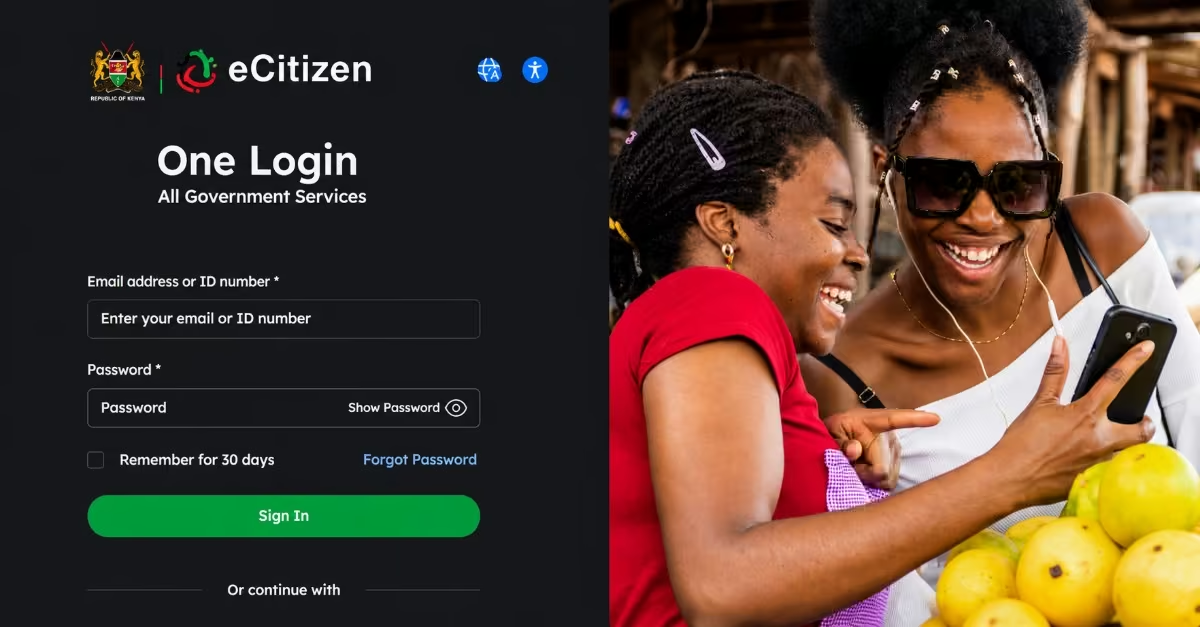
- Visit the NTSA eCitizen Portal and enter your National ID number together with your password to log in.
- If you cannot remember your password, click on “Forgot Password,” and a one-time PIN will be sent to your registered phone number to help you reset it.
Quick Tip: For a smoother experience, use Google Chrome on a desktop or laptop, as some mobile browsers may encounter loading or navigation issues on the portal.
Step 2: Open the NTSA Service Portal
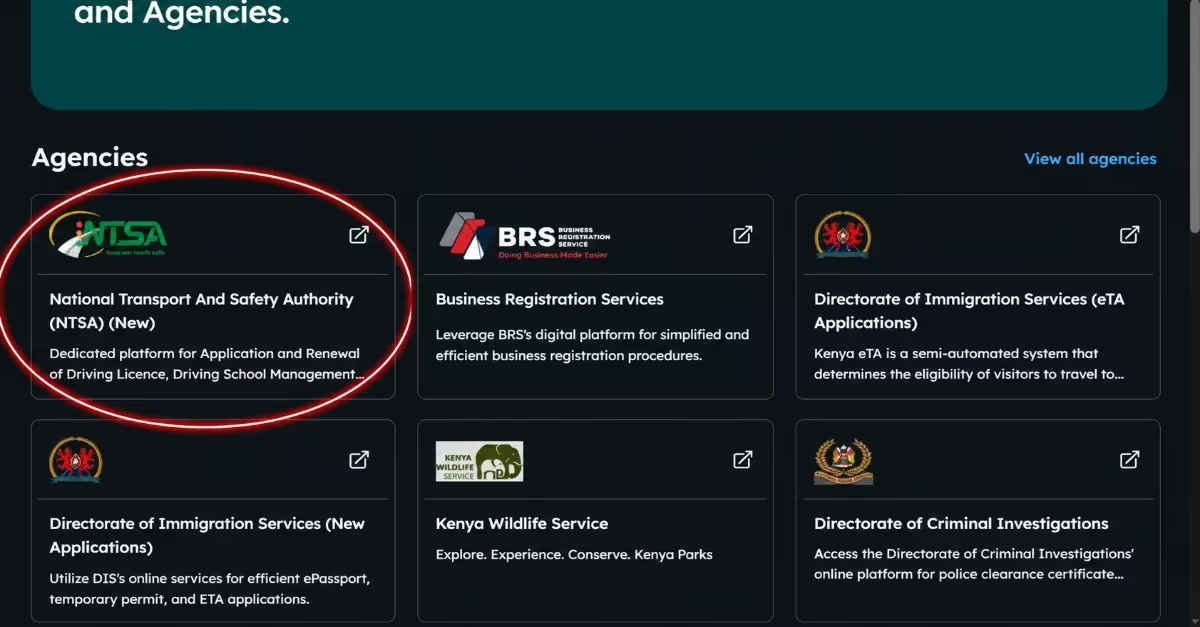
- After logging in, click on “New NTSA Portal” or choose “NTSA Services” from your eCitizen dashboard. This will redirect you to the section containing all NTSA online services.
Step 3: Go to Motor Vehicle Services
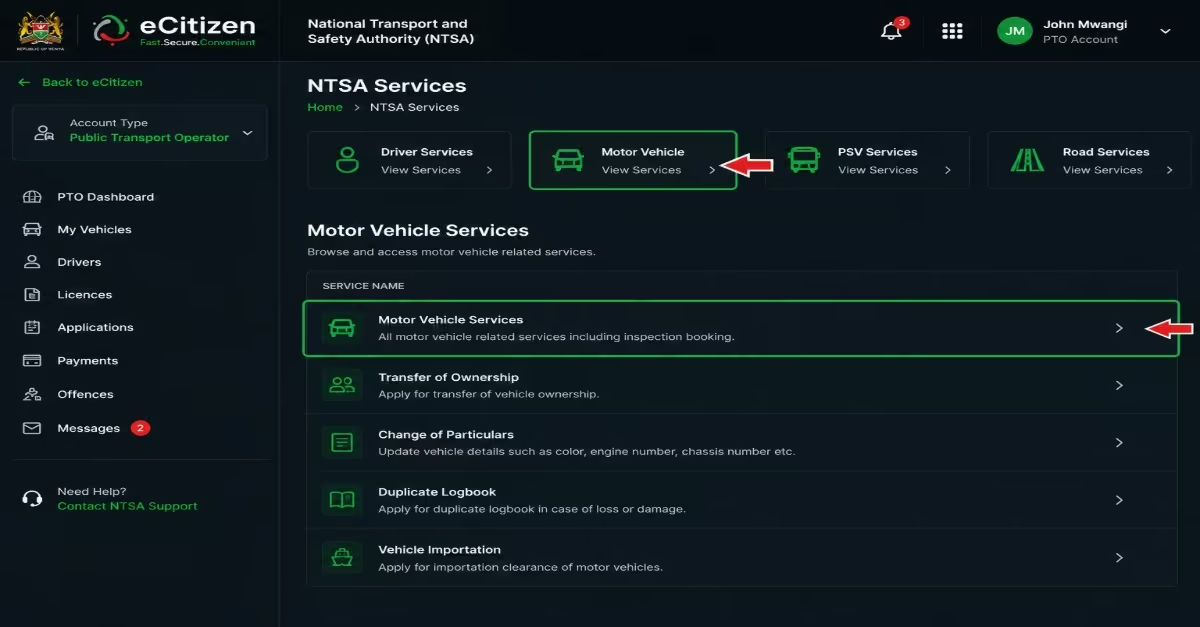
- Inside the NTSA dashboard, click on “Motor Vehicle” on the left-hand menu. Select “View”
- Click on “Motor Vehicle Services.” This section contains vehicle-related services, including inspection booking.
Step 4: Select Your Inspection Type
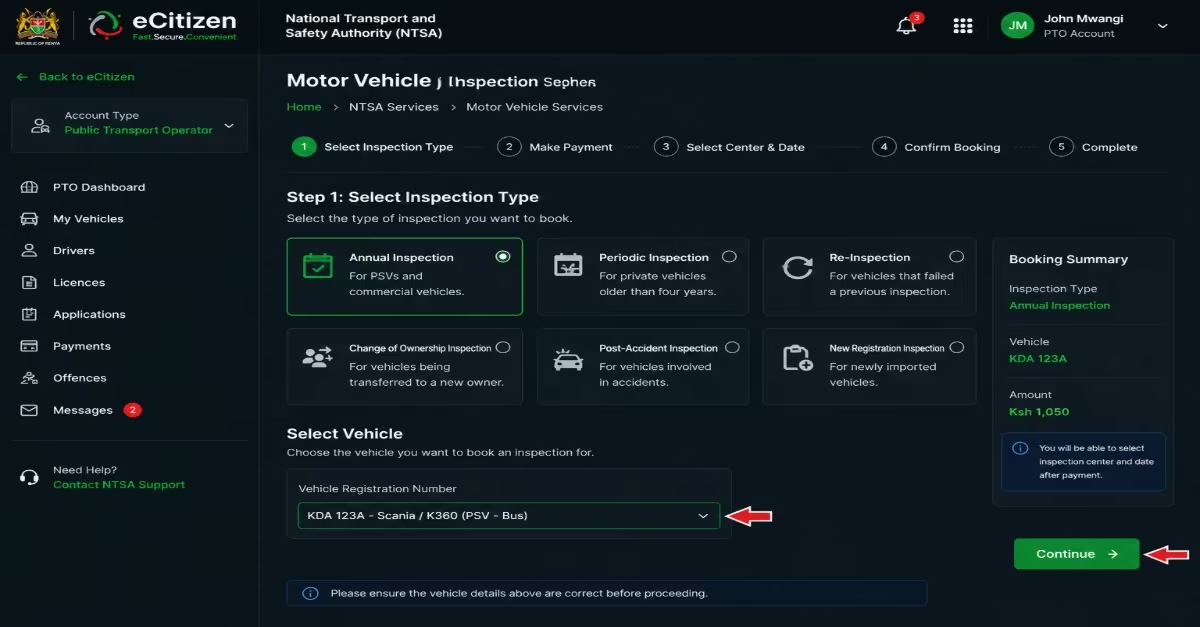
Choose the inspection category that matches your vehicle and the purpose of the inspection.
| Inspection Type | Purpose |
| Annual Inspection | For PSVs and commercial vehicles |
| Periodic Inspection | For private vehicles older than four years |
| Re-Inspection | For vehicles that failed a previous inspection |
| Change of Ownership Inspection | For vehicles being transferred to a new owner |
| Post-Accident Inspection | For vehicles involved in accidents |
| New Registration Inspection | For newly imported vehicles |
- After selecting the inspection type, choose your vehicle registration number from the list of vehicles linked to your account.
Step 5: Pay the Inspection Fee
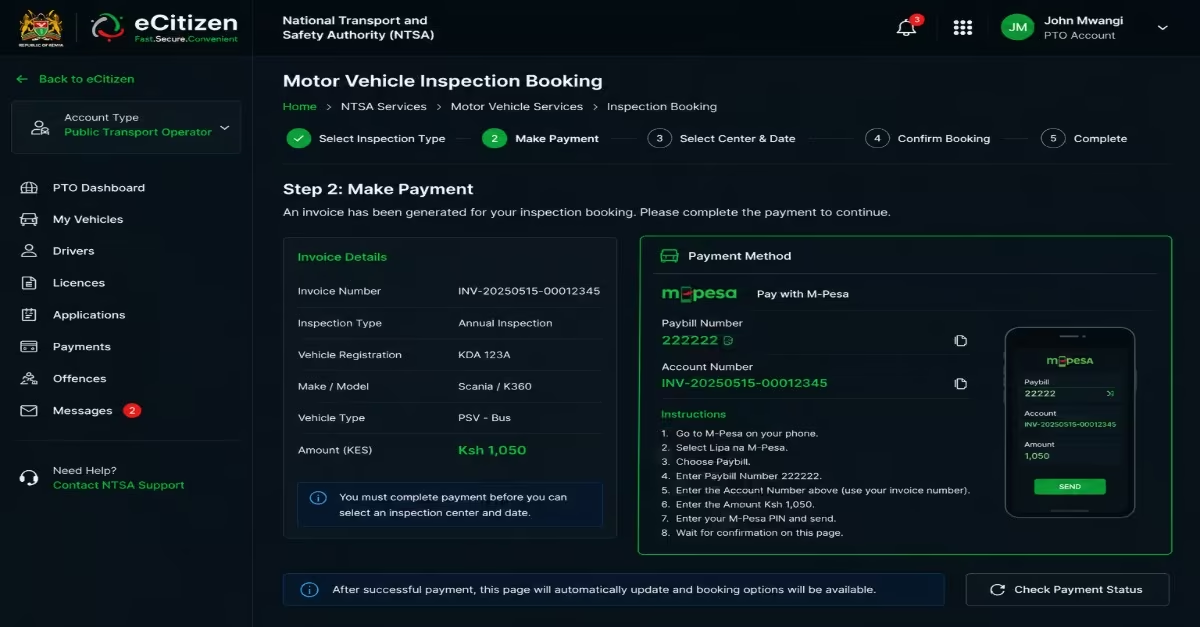
- The system will automatically generate an invoice for payment. Payments should be made online before visiting the inspection center.
- Standard inspection fee for private vehicles: KES 1,050. Payment method: M-Pesa through Government Paybill 222222, Account number: Use the invoice number generated by the eCitizen system
- Once payment is confirmed, the booking options will become available on the portal.
Step 6: Select Your Inspection Center and Date
- Click on “Book Now”
- Choose your preferred NTSA inspection center from the approved list. Select an available inspection date and time slot that fits your schedule.
Quick Tip: Inspection slots at busy centers such as Nairobi and Mombasa fill up quickly, so it is advisable to book early.
Step 7: Confirm and Complete the Booking
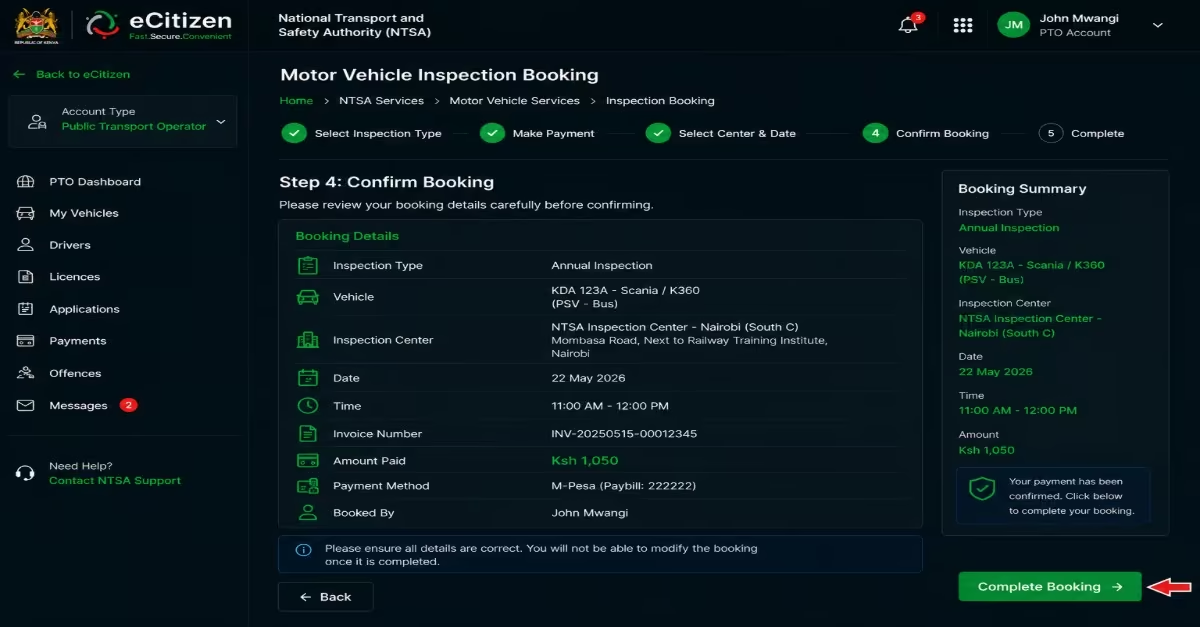
- Carefully review all the booking details, including the inspection type, inspection center, booking date, and payment information. Once everything is correct, click “Complete Booking” to finalize the process.
Step 8: Download and Print Your Documents
- After completing the booking, go to “Application History” on your dashboard.
- Download your Inspection Booking Slip and also Download your Payment Receipt.
- Print the documents or save digital copies on your phone for presentation at the inspection center.
What Happens if Your Car Fails NTSA Inspection?
If your vehicle fails the inspection, you will be issued a Defects Inspection Report showing the specific areas or components that did not meet the required standards. Vehicle owners are given 14 days from the date of inspection failure to repair and correct the identified problems. After fixing the issues, you must return to the same inspection center within 14 days for a free re-inspection, during which inspectors will only recheck the failed items. However, if you exceed the 14 days or choose to visit a different inspection center, you will be required to pay the full inspection fee of KES 1,050 again before the vehicle can be reinspected.
Common NTSA Booking Mistakes to Avoid
Many vehicle owners experience delays, failed inspections, or rejected bookings due to simple mistakes during the application process. Understanding these common errors can help you complete your NTSA motor vehicle inspection booking smoothly and avoid unnecessary inconveniences.
- Booking the wrong inspection type – Always confirm whether your vehicle requires an annual inspection, a change-of-particulars inspection, a re-inspection, or another category before making the booking.
- Visiting an inspection center without an online appointment – NTSA inspection services are now booked online through the eCitizen platform, and walk-ins are rarely accepted at most inspection centers.
- Paying through the wrong Paybill number – Some motorists still use the old NTSA Paybill number 220220, which is no longer valid for many eCitizen payments. Always confirm and use the official eCitizen Paybill number 222222 when making payments.
- Failing to save or print important documents – After payment and booking confirmation, ensure you save or print both the inspection booking slip and the payment receipt, as they may be required at the inspection center.
- Presenting a vehicle with unresolved mechanical problems – Vehicles with faulty brakes, worn-out tyres, broken lights, excessive smoke emission, or other defects are likely to fail inspection and require re-inspection.
- Using a mobile browser for the booking process – While the eCitizen portal can be accessed on smartphones, using Google Chrome on a desktop or laptop computer often provides a smoother and more reliable booking experience.
Read Also: Applying for New Generation Number Plates in Kenya: Step-by-Step Guide
Frequently Asked Questions (FAQs)
How Much Does a Car Inspection Cost In Kenya?
The standard NTSA motor vehicle inspection fee for private vehicles is KES 1,050. However, fees may vary by vehicle type and required inspection service.
How do I Pay for an NTSA Vehicle Inspection?
After booking your inspection on the eCitizen platform, the system automatically generates an invoice for payment. Payments are made via M-Pesa using the Government Paybill number 222222, while the invoice number generated by the system is used as the account number.
How Long Does an NTSA Vehicle Inspection Take?
In most cases, the inspection process takes approximately 30 minutes to 1 hour, depending on the inspection center, vehicle condition, and the number of vehicles scheduled that day.
Can I Walk Into An Inspection Center Without Booking?
No. NTSA vehicle inspections must first be booked online through the eCitizen platform before visiting the inspection center.
Can Someone Else Take My Car For Inspection?
Yes. Another person can present the vehicle for inspection on your behalf, provided they carry all the required documents, including the booking confirmation and payment receipt.
Conclusion
Booking a National Transport and Safety Authority motor vehicle inspection in Kenya has become much easier and more convenient through the eCitizen platform. By understanding the inspection requirements, preparing the necessary documents, and following the booking procedure I explained above, you can complete the process smoothly and avoid unnecessary delays or failed inspections. Regular vehicle inspections not only help you to comply with Kenyan traffic laws but also improve road safety by ensuring that vehicles remain roadworthy, mechanically sound, and safe for all road users. Avoid common mistakes such as booking the wrong inspection type, using a mobile browser during the booking process, failing to save or print important documents, presenting a vehicle with unresolved mechanical problems, and paying via the wrong Pay bill number.