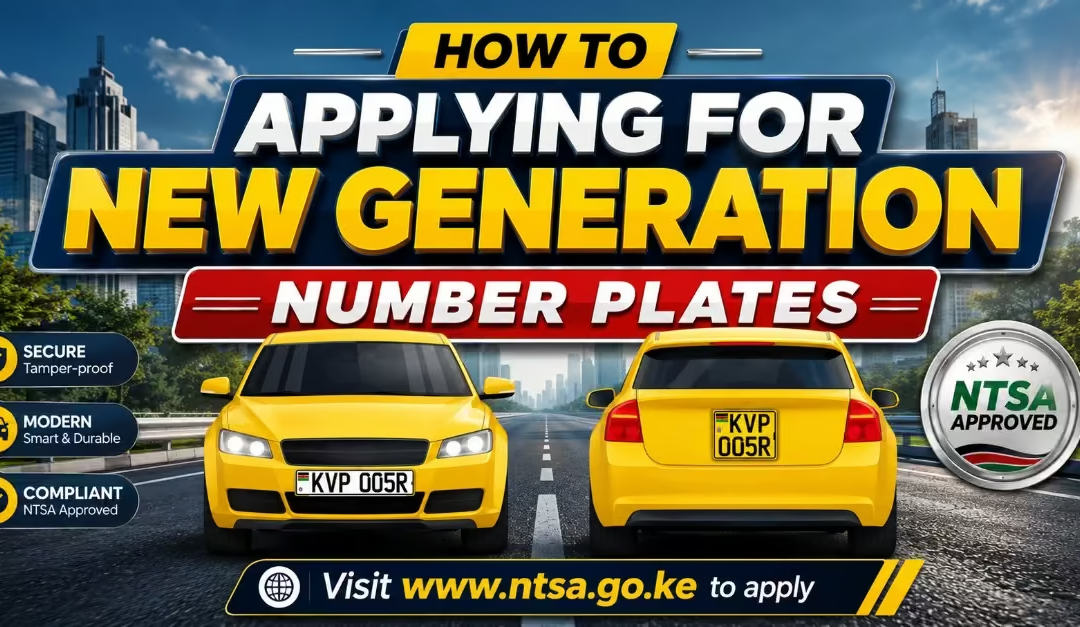
Kenya’s roads are changing quickly as more motorists adopt the new generation number plates introduced by the government through the National Transport and Safety Authority. The new plates are designed with enhanced security and tracking features to improve vehicle identification, enhance road security, and make motor vehicle records management more efficient in Kenya.
Despite the increasing demand, many vehicle owners are still unsure about the actual application process. Many drivers continue to face confusion about where to apply, the required documents, the application fees, the processing time, and how the new plates are collected. In this article, I will guide you step by step on how to:
- Apply for a new generation number plate
- How to check your application status
- Documents needed for the application for new generation number plates
- A summary of the cost of different number plates in Kenya
- Tips on how to avoid during the application.
What are the Features of the New Digital Number Plates in Kenya
The new generation number plates introduced in Kenya feature several advanced features to improve vehicle security, identification, and road safety. They include the following:
- Reflective Material Technology – The plates use reflective materials that improve visibility at night and in low-light conditions.
- Scannable Security Hologram – Each number plate contains a unique hologram that helps authorities verify its authenticity and detect counterfeit plates.
- Unique Serial Number – Every plate is assigned a unique serial number for easy identification and tracking.
- Chassis Number Integration – The plate is electronically linked to the vehicle’s chassis number, making it more difficult to alter a vehicle’s identity.
- Anti-Cloning and Anti-Forgery Features – Advanced security measures help prevent the duplication, forgery, and illegal use of number plates.
- Category-Specific Identification – Different vehicle types, such as private cars, motorcycles, government vehicles, and diplomatic vehicles, have unique identifiers for easier recognition.
Read Also: How to Place a Vehicle Caveat: Step-by-Step Guide
Requirements for NTSA New Generation Number Plate Application
Having the correct information and records ready helps reduce delays in the National Transport and Safety Authority system when applying for new generation number plates in Kenya. Depending on the type of vehicle and the nature of the application, some motorists may also be required to provide additional supporting documents. A study by Godswill (2025) highlights the following documents required to obtain a new-generation number plate.
- National ID – A valid Kenyan national identity card is required to confirm the identity of the registered vehicle owner during the application process.
- KRA PIN Certificate – Your KRA PIN certificate is needed for taxpayer identification and verification when processing the application through the government system.
- Vehicle Logbook – The original vehicle logbook or the vehicle logbook details are required to verify ownership and confirm the vehicle registration information.
- e-Citizen Account – Applicants must have an active eCitizen account because the application and payment process is completed online through the government portal.
- Inspection Records – In some situations, especially for certain vehicle categories or special applications, valid vehicle inspection records may be required before the new number plates are issued.
How to Apply for New Generation Number Plates in Kenya (2026 Guide)
Step 1: Log In to Your eCitizen Account
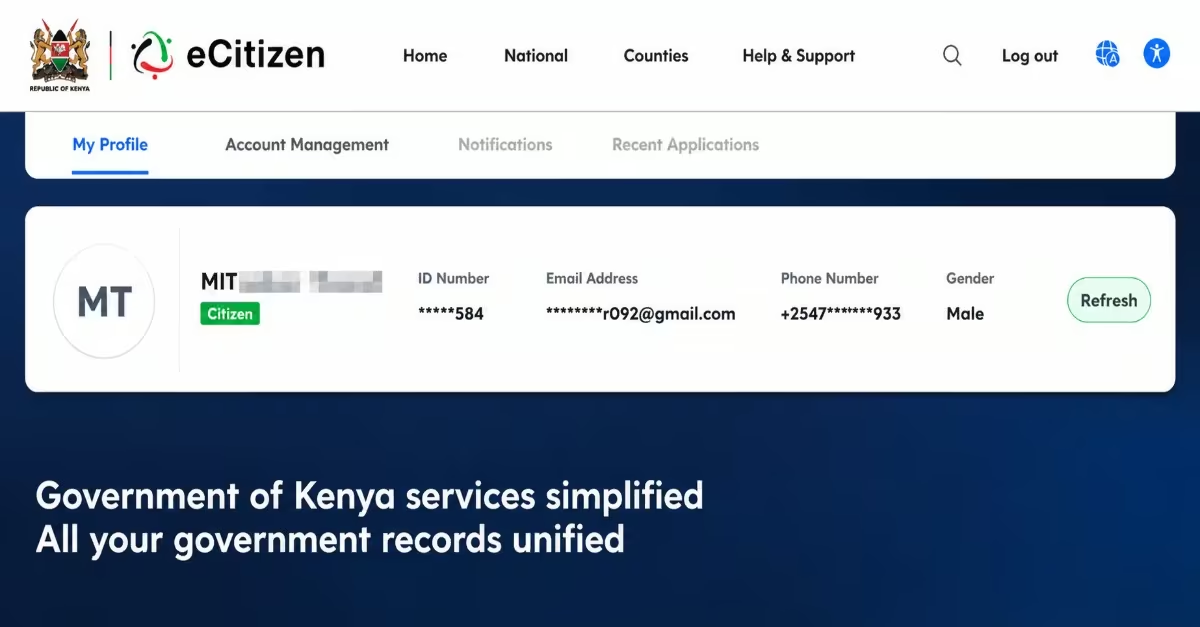
- Visit the official eCitizen portal at accounts.
- Enter your National ID number and your e-Citizen password to sign in.
- Once you have logged in, your personal details will be displayed at the top of the page — make sure you are in the correct account.
- Scroll down to the agencies section and select “National Transport and Safety Authority (NTSA) (New).”
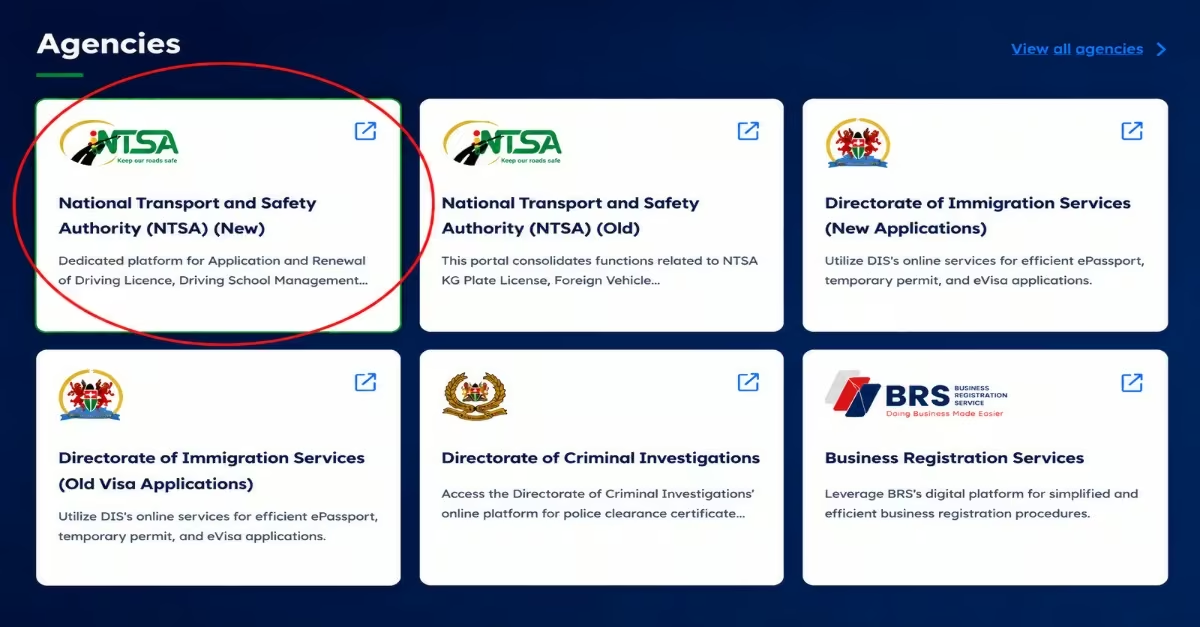
- Follow the instructions provided until you are fully logged into the NTSA system.
- Scroll down to view the vehicles or motorcycles registered under your name, then click “View” next to the relevant vehicle.
Step 2: Apply for a Reflective Plate
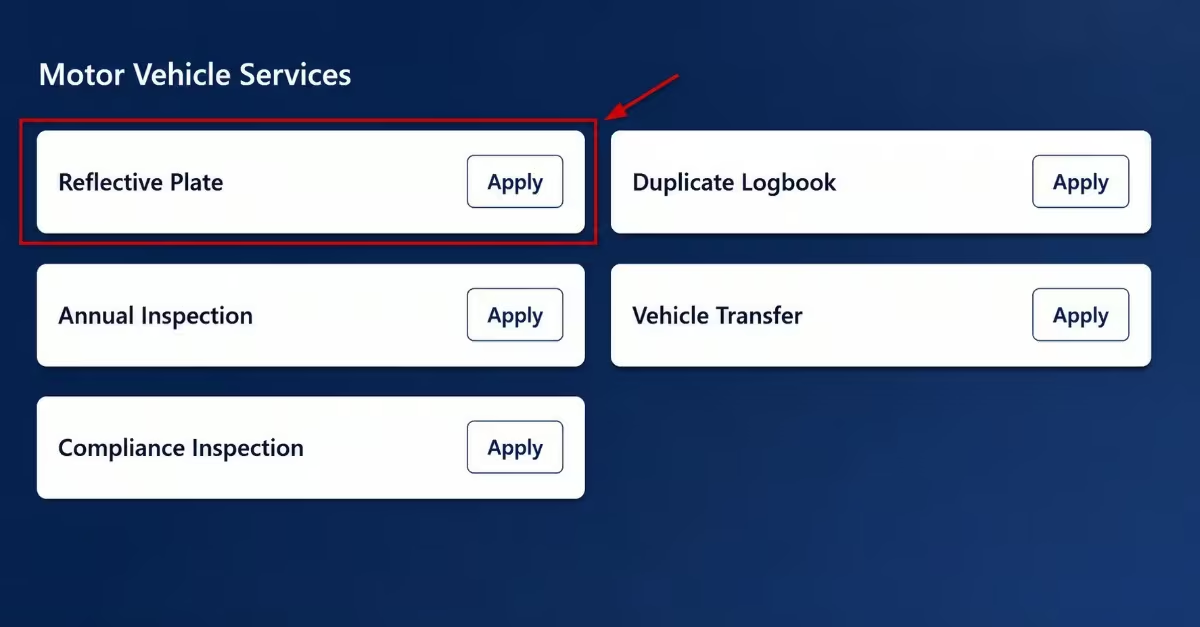
- Click on the “Motor Vehicle Services” option.
- Select “Apply” under the “Reflective Plate” section.
- Review the vehicle details displayed on the screen, then click “Next.”
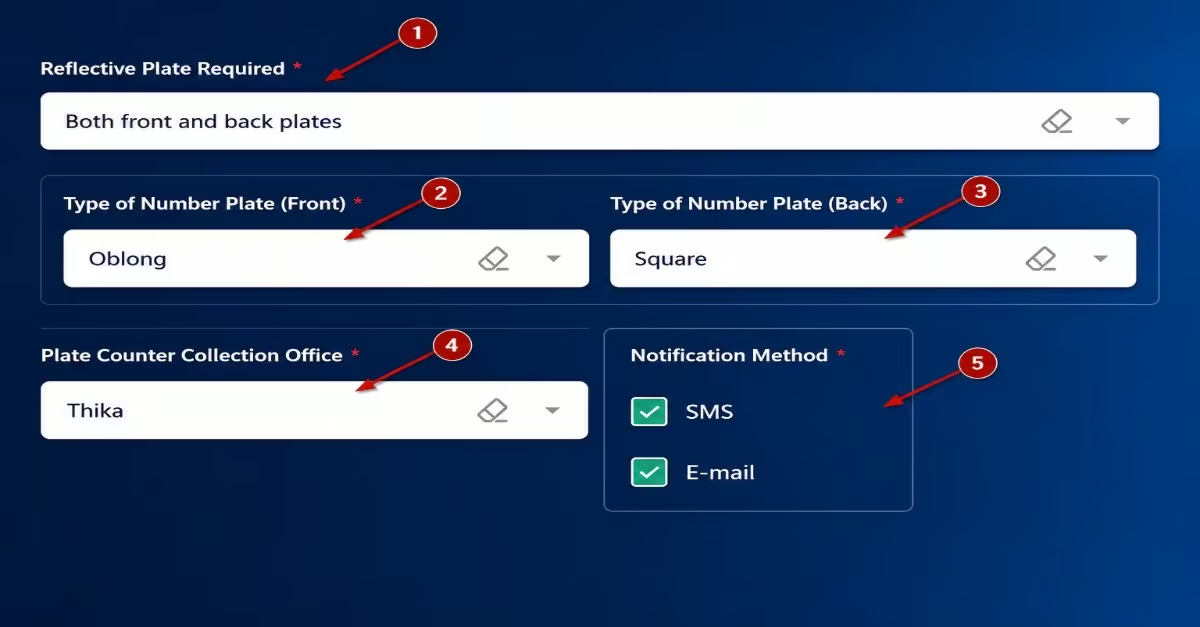
- Under “Reason for Reflective Plate,” choose “New Generation.”
Quick Tip: For “Reflective Plate Required,” select both front and back plates for a car, or only the back plate for a motorcycle.
- Under “Type of Number Plate,” choose the plate shape — “Oblong” refers to the standard rectangular shape used by most vehicles.
- Select your preferred notification method; it is advisable to choose both SMS and Email so you do not miss important updates.
Step 3: Upload Documents and Enter Authorized Collector Details
- Upload a single PDF file containing clear images of both number plates and your logbook.
Quick Tip: To prepare this, take clear photos of the front and rear of your vehicle showing the number plates, as well as a photo of the logbook. Then combine all images into one Word document and save it as a PDF.
- Scroll to the “Authorized Person to Collect Plate” section.
- Under “ID Lookup,” select National Identification if you are a Kenyan citizen.
- Enter your ID number and first name, then click “Search” — the remaining details will auto-fill if correct.
- Provide your phone number and email address.
- Tick the declaration box to confirm that all information provided is accurate.
- Click “Preview” to review your application, then click “Complete” to submit.
Step 4: Make Payment
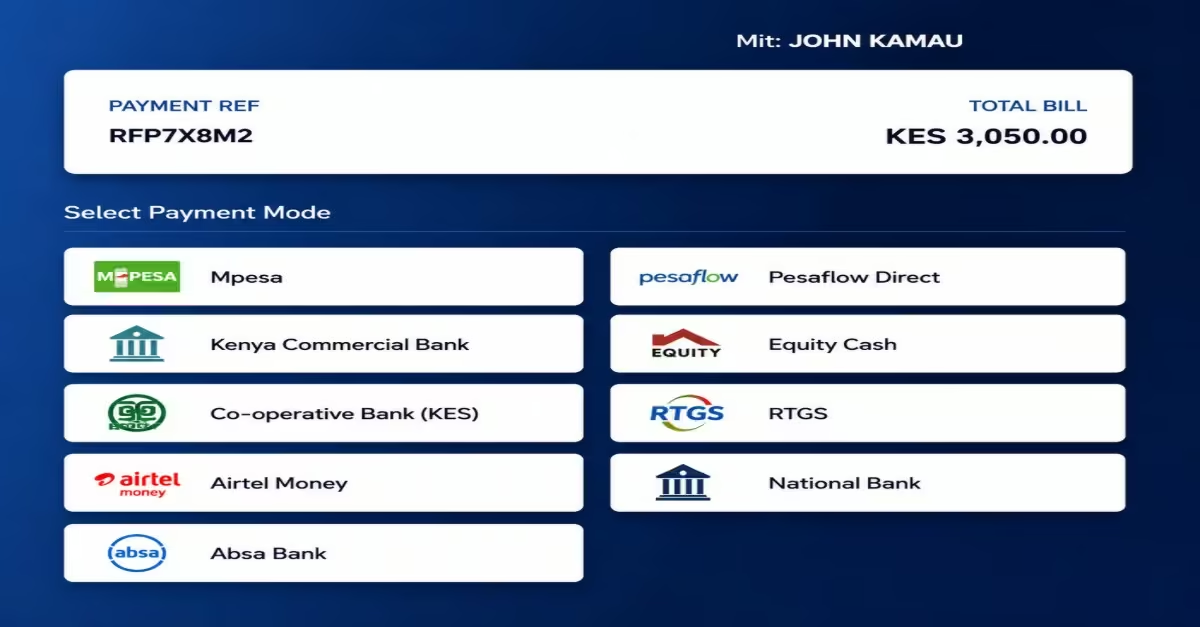
- Choose your preferred payment method, such as M-Pesa, bank, or any option available on the eCitizen platform.
- Pay exactly KES 3,050 for a motor vehicle or KES 1,550 for a motorcycle — avoid underpaying or overpaying, as this may cause the application to fail.
- Once payment is successful, a confirmation message will appear on the screen.
- You will also receive a confirmation SMS or email, which you should keep for your records.
Step 5: Wait for the Notification and Collect Your Plates
- Processing usually takes about 7 working days.
- NTSA will send you an SMS notification once your plates are ready for collection.
Quick Tip: When collecting them, carry your original National ID and your old number plates (both front and rear), as these must be surrendered.
- Collect the new plates from the NTSA center you selected during your application.
Cost of New Generation Number Plates in Kenya
| Plate type | Suitable for | Cost |
| Standard plate | Motorcycles | KES 1550 |
| Special number plates | Preferred number combinations | KES 30,000 |
| Personalized/ customized plate | Custom names or word | KES 1000 |
| Replacement plate | Lost or damaged | KES 3000 (single) and KES 3600 (pair) |
How Long Does It Take to Get New Number Plates in Kenya?
Once you submit your application through the eCitizen platform, the National Transport and Safety Authority verifies and processes it within about 7 working days. After processing, you will receive an SMS notification informing you when your number plates are ready for collection.
Factors That May Delay Your Number Plate Application
Although the application process for new generation number plates is generally straightforward, some motorists may experience delays before their plates are processed or issued. In many cases, these delays are caused by verification challenges, technical issues with the National Transport and Safety Authority platform, or heavy traffic on the platform. A study by Techmag (2025) highlights the following factors that may lead to delay.
a) High Demand
The growing number of motorists applying for new-generation number plates across Kenya has increased demand, potentially slowing processing and production timelines.
b) Incomplete Documents
Missing or incorrect documents, such as vehicle logbook details, national ID information, or KRA PIN records, can delay verification and approval.
c) System Downtime
Temporary downtime on the National Transport and Safety Authority or eCitizen systems may affect application submission, payment confirmation, or status updates.
d) Verification Issues
Applications may take longer to process if there are discrepancies in vehicle ownership records, chassis details, or personal information linked to the vehicle.
How to Track NTSA New Number Plate Status on eCitizen
Step 1 — Log In to eCitizen
- Logging in to the eCitizen portal – Visit the official eCitizen website.
- Log in using your National ID number and password.
- If you do not yet have an account, click on “Register” and complete the registration process using your National ID number and phone number.
Step 2 — Navigating to the NTSA Services Section
- After logging in, locate the list of government agencies displayed on your dashboard. Search for and click on “NTSA” to open the National Transport and Safety Authority services page. On the NTSA dashboard, select “Online Services.”
Step 3 — Navigate to Other Services
- A drop-down menu will appear with two sections: “NTSA Services” and “Other Services.” Click on “Other Services” to continue. A new tab labelled “Uncollected Smart DLs and Number Plates” will then appear on your screen.
Step 4 — Check Your Number Plate Status
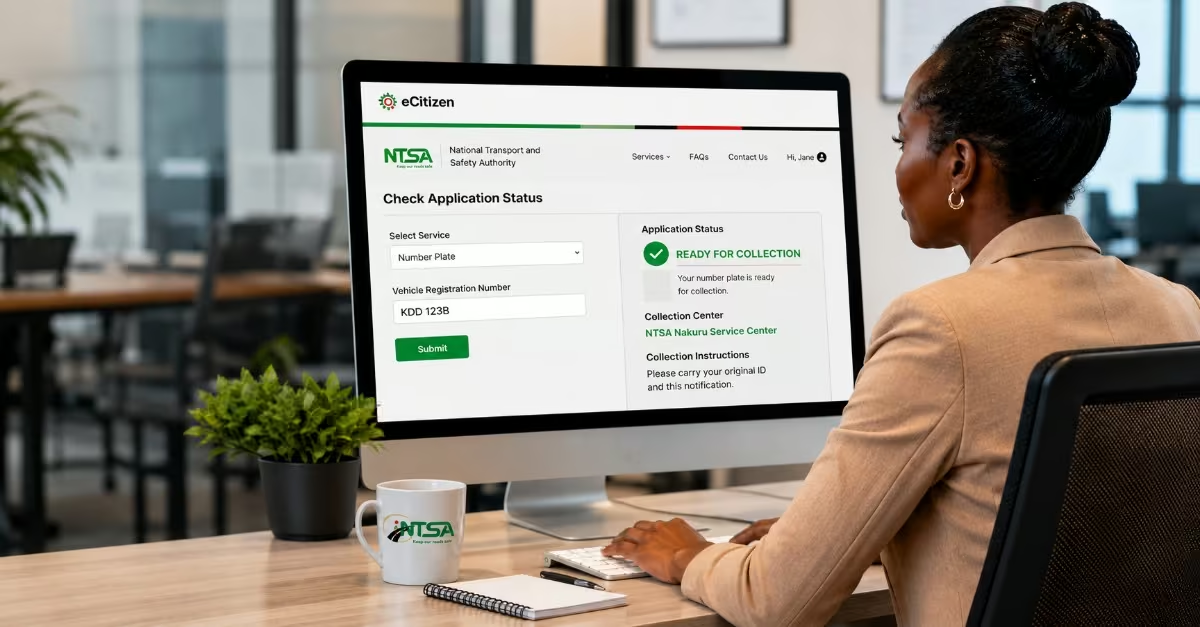
- Click “Select,” then choose “Number Plate” from the menu.
- Enter your vehicle registration number in the correct format (for example, KDD 123B), then click “Submit” to view your application status.
- The system will display whether your number plate is still being processed or is ready for collection, together with the designated collection center.
Read Also: How to Apply for Smart Driving Licence in Kenya 2026: Cost, Renewal & NTSA e-Citizen Guide
Tips for a Smooth NTSA Digital Number Plate Application
Many delays experienced during the application process can be avoided by preparing your information correctly before submitting the application. Taking a few extra minutes to confirm your details and documents can help speed up approval and reduce the chances of your application being rejected or placed on hold. The following are tips for avoiding repayment when applying for a new generation number plate.
a) Double-Check Vehicle Details Before Submission
Ensure the vehicle registration number, chassis number, owner information, and logbook details are entered correctly to avoid verification issues during processing.
b) Use the Correct Registered Phone Number
Always use the phone number linked to your eCitizen or National Transport and Safety Authority account, as important notifications and payment confirmations may be sent to that number.
c) Keep All Payment Receipts
Save your M-Pesa confirmation messages and payment receipts after making the application payment, as they may be needed for follow-up or to resolve payment disputes.
d) Apply Early During Peak Demand Periods
During nationwide rollout phases or when compliance deadlines are announced, the number of applications usually increases significantly. Applying early can help you avoid long processing queues and unnecessary delays.
Frequently Asked Questions (FAQs)
How Much Does a Replacement Number Plate Cost?
The cost of replacing a number plate in Kenya depends on the type of replacement being requested. Replacing a single lost or damaged plate currently costs KES 3,000, while replacing both the front and rear plates costs KES 3,600
How Much Do I Need To Apply For A Customized Number Plate?
For motorists interested in personalized or customized number plates, the application fee is KES 1,000,000, together with an annual maintenance fee of KES 50,000. Customized plates are only available for privately registered civilian vehicles and require submission of a request letter, the original vehicle logbook, and approval from the National Transport and Safety Authority.
Can I Transfer My New Number Plates to Another Vehicle?
No. Number plates in Kenya are non-transferable because each plate is permanently linked to the specific vehicle to which it was issued. When a vehicle changes ownership, the new owner must complete the vehicle transfer process and apply for new plates through the National Transport and Safety Authority TIMS system. This requirement helps ensure that vehicle registration records always match the correct owner, which is important for legal responsibility, vehicle tracking, and road safety enforcement.
What Should I Do if I Lose a Number Plate?
If you lose a number plate, the first step is to report the incident at the nearest police station and obtain a police abstract confirming the loss or theft. You can then log in to the eCitizen portal, access NTSA services, and apply for a duplicate or reflective plate replacement by uploading the required documents and paying the applicable replacement fee. Once the application is processed, the National Transport and Safety Authority will send an SMS notification when the replacement plates are ready for collection.
Conclusion
The introduction of new generation number plates marks an important step in Kenya’s efforts to modernize vehicle registration and improve road security. Although the application process may seem confusing at first, understanding the requirements, application steps, tracking methods, and possible causes of delays, as I have elaborated above, can make the process much easier. Ensure that you prepare the correct documents, submit accurate information, and regularly monitor your application through the National Transport and Safety Authority and e-Citizen systems to avoid unnecessary delays.