Agriculture has always been a vital part of human civilization, responsible for feeding the world and providing essential resources. However, with the global population projected to reach nearly 10 billion by 2050, the agricultural sector is facing unprecedented pressure. The need for increased food production, resource conservation, and climate change mitigation has sparked a technological revolution in agriculture. So, what is the role of technology in transforming agriculture? Modern technologies like precision farming, robotics, and biotechnology are paving the way for sustainable agricultural practices that will help farmers meet growing demands while reducing environmental impact.
This blog article explores how emerging technologies are transforming agriculture, supporting sustainable practices, and addressing the industry’s most pressing challenges.
Precision Agriculture: Farming Smarter, Not Harder
Precision agriculture is one of the most significant technological advancements in modern farming. It involves using digital tools and data analytics to optimize farming practices, ensuring that resources like water, fertilizer, and pesticides are used efficiently. By utilizing GPS-guided equipment, drones, sensors, and satellite imagery, farmers can monitor crop health, soil conditions, and weather patterns in real time. This allows for more targeted interventions, reducing waste and increasing productivity.
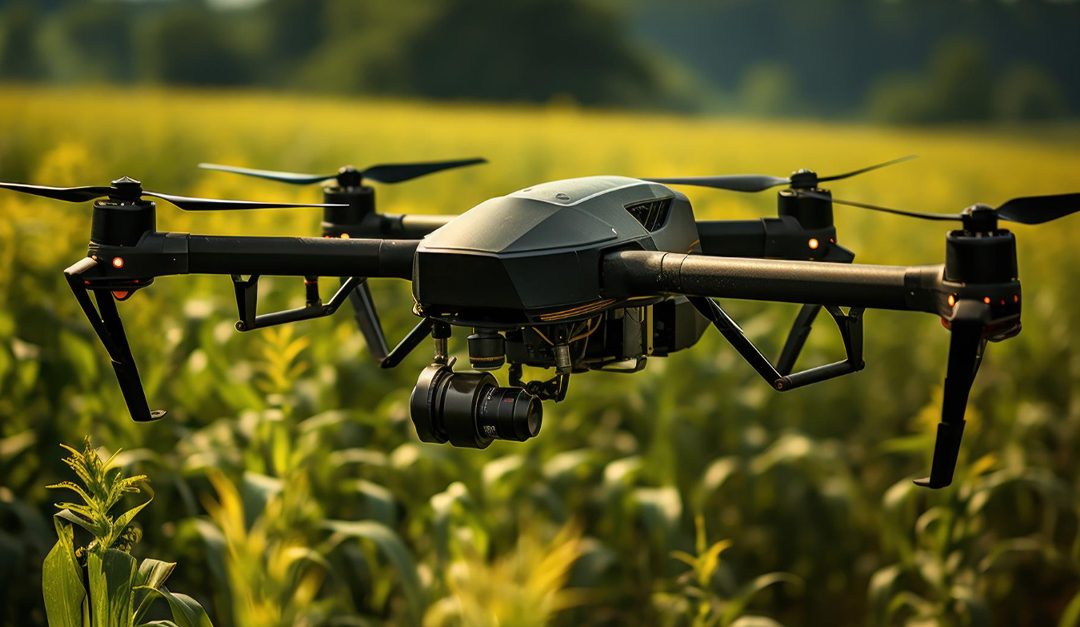
For instance, soil sensors can provide real-time data on moisture levels, helping farmers irrigate only when necessary, thus conserving water. Drones equipped with multispectral cameras can assess crop health by detecting signs of disease or nutrient deficiencies, allowing farmers to take action before significant losses occur.
Precision agriculture enables farmers to make informed decisions based on data, ultimately reducing input costs, minimizing environmental impact, and improving yields. It also contributes to sustainable agriculture by reducing the overuse of chemicals and promoting more efficient land management practices.
The Rise of Agricultural Robotics and Automation
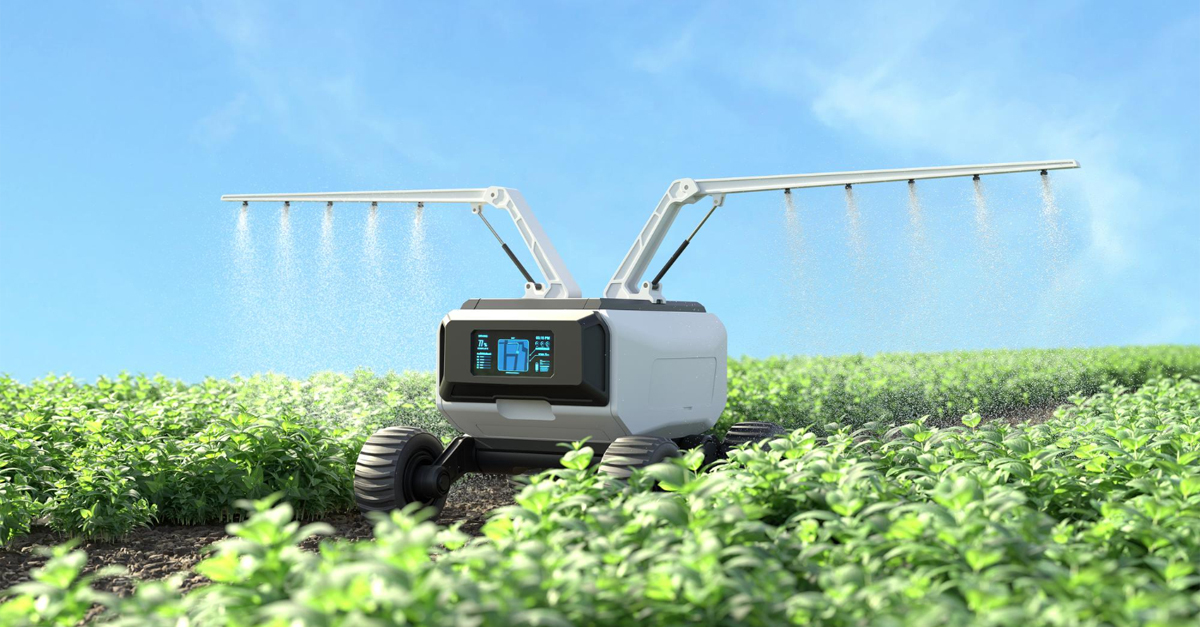
The role of technology in transforming agriculture can be seen in the automation which is becoming an increasingly integral part of agriculture, helping to address labor shortages, increase efficiency, and reduce costs. Agricultural robots, or “agribots,” are capable of performing various tasks such as planting, weeding, harvesting, and monitoring crop health. These machines operate with precision, reducing human error and freeing up labor for more complex tasks. One example of agricultural robotics is the use of autonomous tractors and harvesters, which can work around the clock without fatigue. These machines use GPS and machine learning algorithms to navigate fields accurately, optimizing planting patterns and improving harvest efficiency. Robots are also being used for tasks like fruit picking, where sensors and cameras help identify ripe produce, ensuring that only the best crops are harvested. Explore more about robotic farming solutions.
In addition to fieldwork, automation is playing a crucial role in indoor farming. Vertical farming systems, which grow crops in stacked layers within controlled environments, often rely on robotic systems to monitor and maintain optimal growing conditions. By automating tasks such as watering, nutrient delivery, and lighting, vertical farms can produce food year-round with minimal human intervention.
Biotechnology and Genetic Engineering: Resilient Crops for a Changing Climate
As climate change intensifies, farmers face increasing challenges such as droughts, floods, and unpredictable weather patterns. Biotechnology and genetic engineering offer solutions by developing crops that are more resilient to environmental stressors. Through genetic modification (GM) and gene editing technologies like CRISPR, scientists can create crop varieties that are resistant to pests, diseases, and harsh climates.
For example, drought-tolerant maize varieties have been developed to thrive in water-scarce regions, reducing the need for irrigation. Similarly, genetically engineered cotton that produces its own pesticide has led to a reduction in the use of chemical pesticides, benefiting both the environment and human health. Find out more about agricultural biotechnology.
Biotechnology also enables the development of crops with enhanced nutritional value, addressing food security concerns in regions where malnutrition is prevalent. Golden Rice, a genetically modified variety enriched with vitamin A, is an example of how biotechnology can improve the nutritional content of staple crops.
Data Analytics and Artificial Intelligence in Agriculture
The integration of artificial intelligence (AI) and big data in agriculture is driving more informed decision-making across the sector. AI-powered platforms analyze vast amounts of data from multiple sources—such as satellite imagery, weather forecasts, and sensor data—to provide farmers with actionable insights. These tools help farmers predict crop yields, optimize resource use, and detect potential issues such as pest infestations or diseases.
For instance, AI algorithms can predict when a field is at risk of a pest outbreak based on historical data, allowing farmers to apply targeted pest control measures before the problem escalates. Additionally, AI-driven forecasting models can help farmers plan their planting and harvesting schedules based on expected weather conditions, improving productivity and reducing losses. Learn more about AI’s role in agriculture.
Farm management software, powered by AI, is also transforming how farms operate. These platforms provide farmers with real-time updates on everything from soil conditions to equipment performance, enabling them to make timely decisions that optimize yields and reduce waste. As AI continues to evolve, its applications in agriculture will only expand, offering new ways to enhance productivity and sustainability.
Blockchain and Supply Chain Transparency
Blockchain technology is making waves in the agricultural industry by improving supply chain transparency and traceability. In a globalized food system, ensuring the authenticity and safety of products is becoming increasingly important. Blockchain enables the secure recording of transactions and information at every stage of the supply chain, from farm to consumer.
By using blockchain, farmers, distributors, retailers, and consumers can trace the origin of food products, verifying information about how and where the food was grown, processed, and transported. This not only improves food safety but also helps combat issues such as fraud and food waste. Discover more about blockchain in agriculture.
Blockchain technology also facilitates fairer trade practices by ensuring that farmers receive fair compensation for their products. Smart contracts, which automatically execute when predefined conditions are met, can be used to ensure that payments are made promptly and fairly, reducing disputes and increasing trust within the supply chain.
IoT (Internet of Things) and Smart Farming
The Internet of Things (IoT) is revolutionizing agriculture by connecting sensors, devices, and equipment to collect and exchange data. IoT-enabled smart farming systems allow farmers to monitor their crops, livestock, and machinery remotely, providing real-time insights that improve decision-making and operational efficiency.
For example, smart irrigation systems use IoT sensors to monitor soil moisture levels and weather conditions, automatically adjusting watering schedules to conserve water. Livestock monitoring systems equipped with IoT sensors track the health and behavior of animals, alerting farmers to potential health issues before they become serious. Learn more about IoT in agriculture.
Smart farming technologies also enable predictive maintenance of farm equipment. IoT sensors embedded in machinery can detect wear and tear, notifying farmers when maintenance is needed to prevent breakdowns. This proactive approach to equipment management reduces downtime and extends the lifespan of farming assets.
Challenges and Future Prospects
While technology is playing a transformative role in agriculture, there are still challenges to widespread adoption. High upfront costs, particularly for small-scale farmers, can be a barrier to implementing new technologies. Additionally, the digital divide in rural areas, where internet connectivity and technological infrastructure may be lacking, limits the accessibility of smart farming tools.
However, the future of agricultural technology is promising. As innovation continues and costs decrease, more farmers will be able to adopt these technologies, leading to increased productivity and sustainability. Government policies that provide financial incentives and support for technology adoption can further accelerate this transition.
Moreover, collaboration between tech companies, agricultural organizations, and governments will be key to developing scalable solutions that address the unique needs of farmers around the world. With continued advancements in AI, robotics, biotechnology, and IoT, the agricultural sector is well-positioned to meet the challenges of feeding a growing population in a sustainable manner.
Conclusion
Technology is reshaping agriculture in ways that were unimaginable just a few decades ago. From precision farming and robotics to AI and blockchain, these innovations are enabling farmers to produce more food with fewer resources while minimizing their environmental impact. As we look to the future, the continued integration of technology into farming practices will be essential in creating a sustainable and resilient food system for the 21st century and beyond.
By embracing these advancements, farmers can meet the demands of a growing population, mitigate the effects of climate change, and ensure the long-term viability of the agricultural sector.