Buying or selling a car in Kenya does not end once the keys are handed over or payment is made. One of the most important steps that many vehicle owners forget is re-registering the vehicle, which is also known as transferring ownership. This process officially updates the records so that the car is now registered under the new owner through the National Transport and Safety Authority (NTSA). Whether you are buying a second-hand car, inheriting one, or transferring it to another individual or company, it is important to understand how this process works.
If ownership is not transferred immediately, both the buyer and seller may face serious legal and financial problems. The seller could still be held responsible for traffic fines, accidents, or legal issues involving a vehicle they no longer own, while the buyer may end up using a car that is not officially registered in their name.
This guide will take you through:
- The full process of re-registering a car in Kenya via eCitizen
- The requirements needed for car re-registration
- The cost of car re-registration fees
- A description of how long it takes for the process to be successful
What Is NTSA Car Re-Registration (Transfer of Ownership)?
The NTSA vehicle re-registration process refers to the official procedure used to update a vehicle’s ownership details under the National Transport and Safety Authority (NTSA) in Kenya after it has been sold, transferred, inherited, or assigned to a new owner. Studies highlight that, “this process is commonly known as a vehicle ownership transfer and it ensures that the correct owner’s information is properly recorded in NTSA systems for legal compliance and accountability.”
Today, most of these services are handled digitally through the eCitizen and NTSA TIMS platforms, which have made the process faster, more organized, and more secure compared to the older manual system.
Re-registration is particularly important in Kenya because it helps prevent vehicle-related fraud, protects buyers from ownership disputes, and ensures that sellers are no longer held responsible for traffic fines, accidents, or any illegal activities involving a vehicle they no longer own. It also makes future transactions much easier, including insurance processing, vehicle inspections, financing, and resale, since the ownership records are clear and up to date.
What Are the Requirements for NTSA Vehicle Transfer in Kenya?
Before beginning the vehicle re-registration process on eCitizen, both the buyer and seller are required to prepare a set of important documents for verification and approval by the National Transport and Safety Authority (NTSA). A study by Jubert (2026) highlights the documents below that are essential for car re-registration.
- Request Letter- This is a formal written letter explaining the reason for the vehicle re-registration or ownership transfer. It is usually required in special situations such as corrections of details, ownership disputes, or transfers involving organizations or institutions.
- DCI Reports-A valid report from the Directorate of Criminal Investigations (DCI), along with a tape lift report for the chassis and engine numbers, is required. These documents help confirm the vehicle’s authenticity and reduce the risk of fraud or tampering with vehicle identification details.
- Proof of Ownership-The original vehicle logbook is required as the main proof that the seller is the rightful owner of the vehicle.
- Identification Documents- Both the buyer and seller must provide copies of their National ID cards and KRA PIN certificates. These documents are used to confirm identity and verify tax registration details during the transfer process.
Read Also: How to Place a Vehicle Caveat: Step-by-Step Guide
How to Transfer or Re-Register a Car via eCitizen (Step-by-Step)
Vehicle re-registration is required when a vehicle changes ownership between private individuals, and even when number plates need replacement. If this process is not completed, the seller may still appear as the legal owner in government records, which can expose both parties to legal and financial risks. The entire process is now fully digital through the NTSA Service Portal, which is accessed via eCitizen. Follow the procedure below to re-register your car instantly.
Step 1: Log In to the NTSA Service Portal
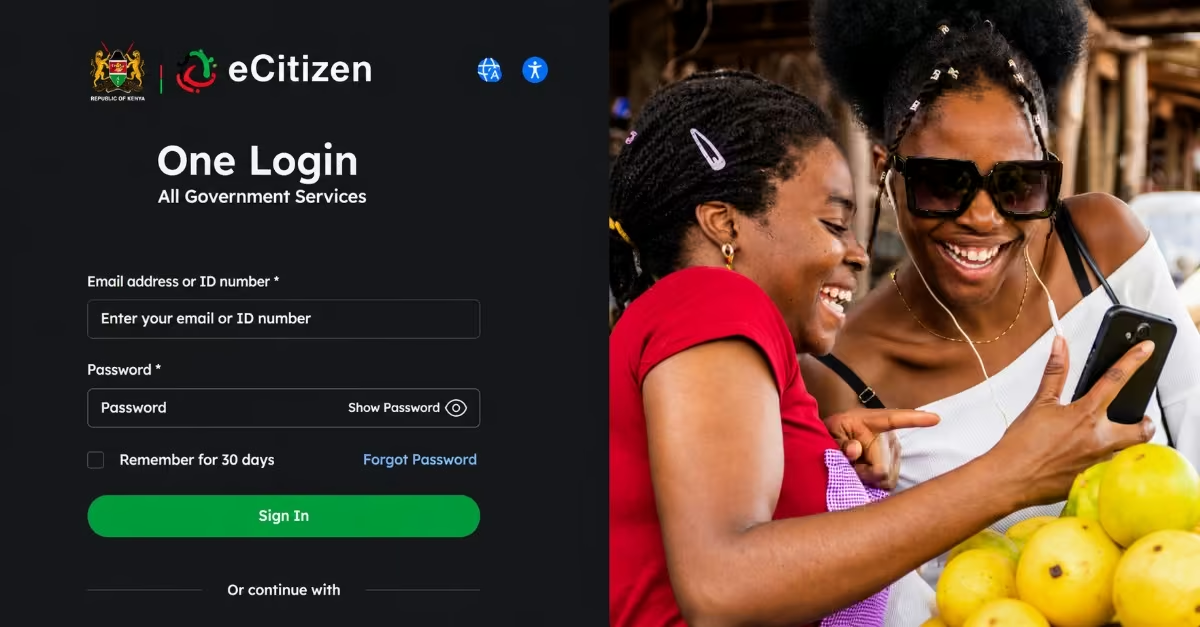
- Open your browser and go to the official NTSA portal accessed through the eCitizen system.
- Sign in using your eCitizen account details, including your National ID number and password.
- If you do not have an account, you must first register at ecitizen.go.ke before continuing. Also ensure your KRA PIN is linked to your eCitizen profile, as it will be required during the process.
Step 2: Navigate to Motor Vehicle Services
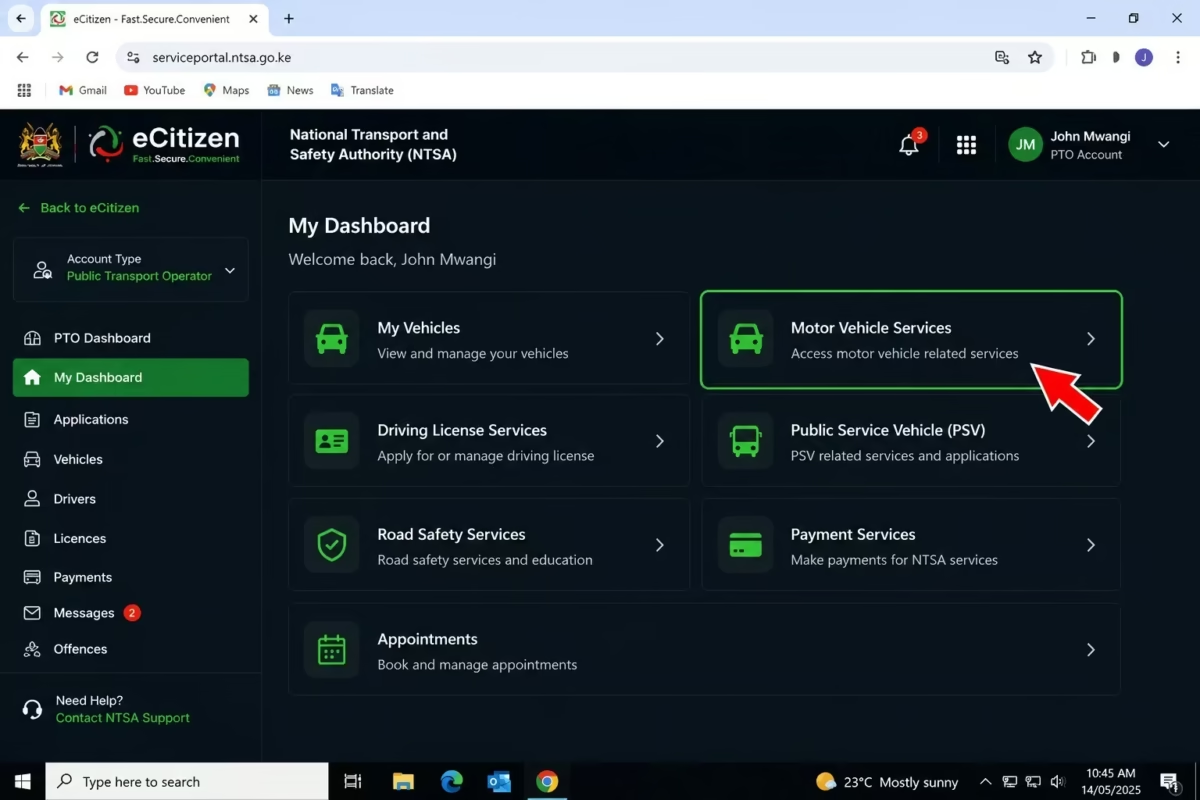
- After logging in, go to the “Motor Vehicle Services” section on your dashboard. This section contains all vehicle-related services, including registration, transfers, and inspections.
- If you own more than one vehicle, carefully select the correct one you want to re-register.
Step 3: Select “Motor Vehicle Re-Registration”
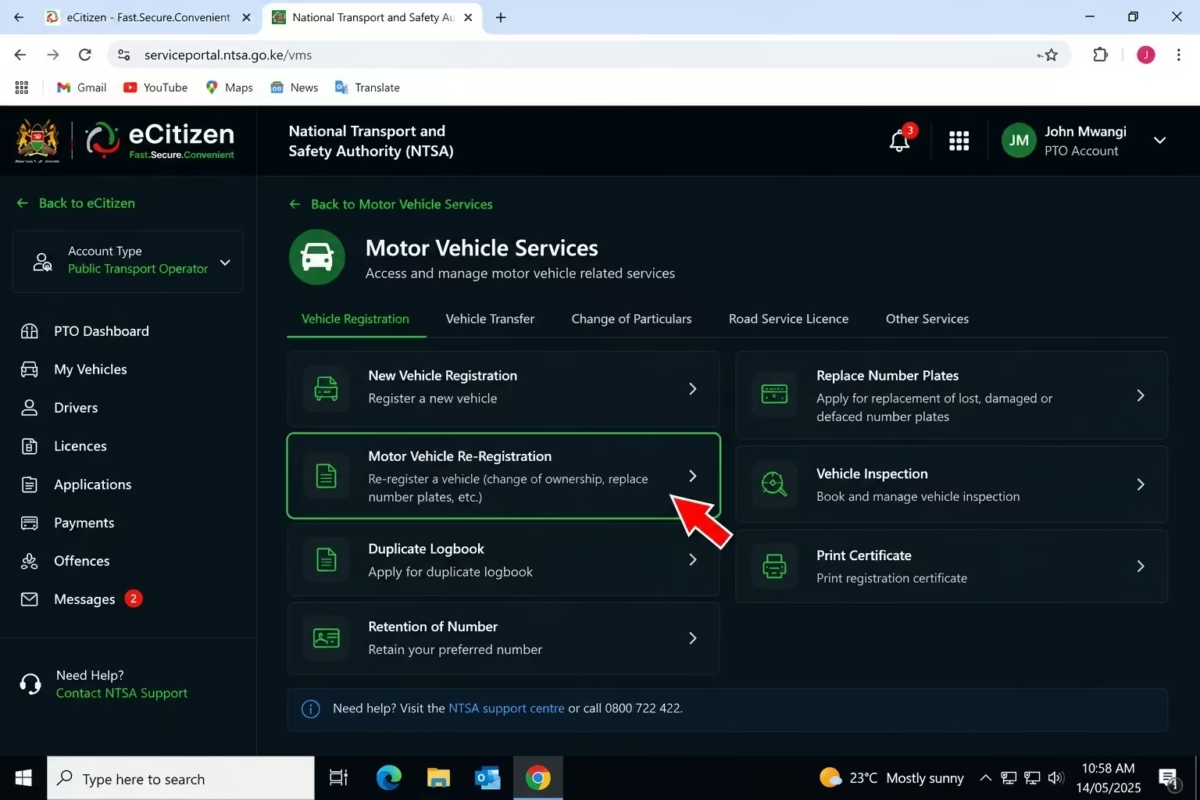
- Click on the “Motor Vehicle Re-Registration” option under the services menu.
- You will be required to enter the vehicle’s current registration number.
- Make sure the details displayed match your physical documents before proceeding.
Step 4: Enter Vehicle Details and Look Up KRA PIN
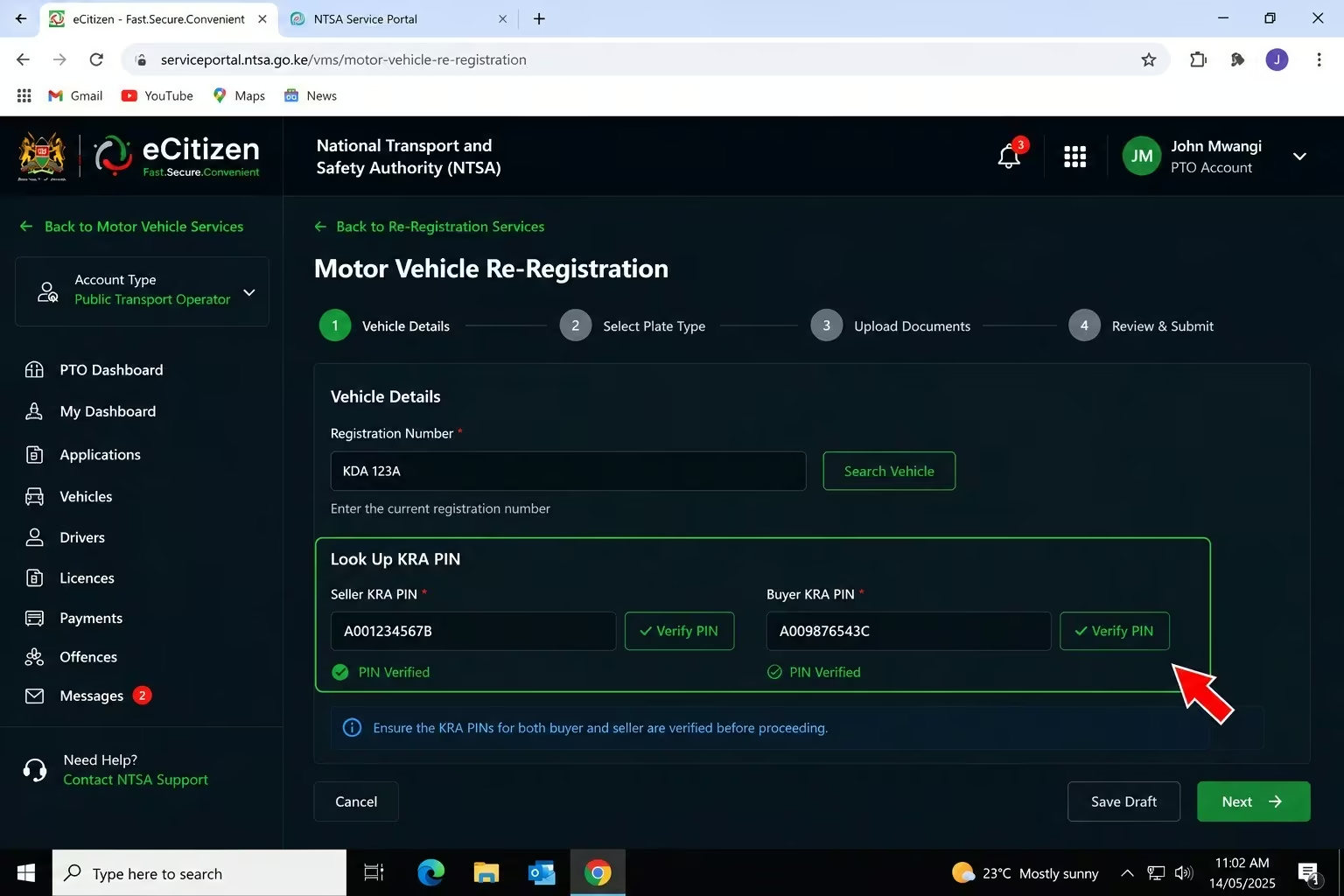
- Fill in all required information as prompted by the system. Use the “Look Up KRA PIN” feature to verify and attach the correct PIN details for both buyer and seller.
- Carefully review all information, since any errors can delay or lead to rejection of the application.
Step 5: Select Your Preferred Number Plate Type
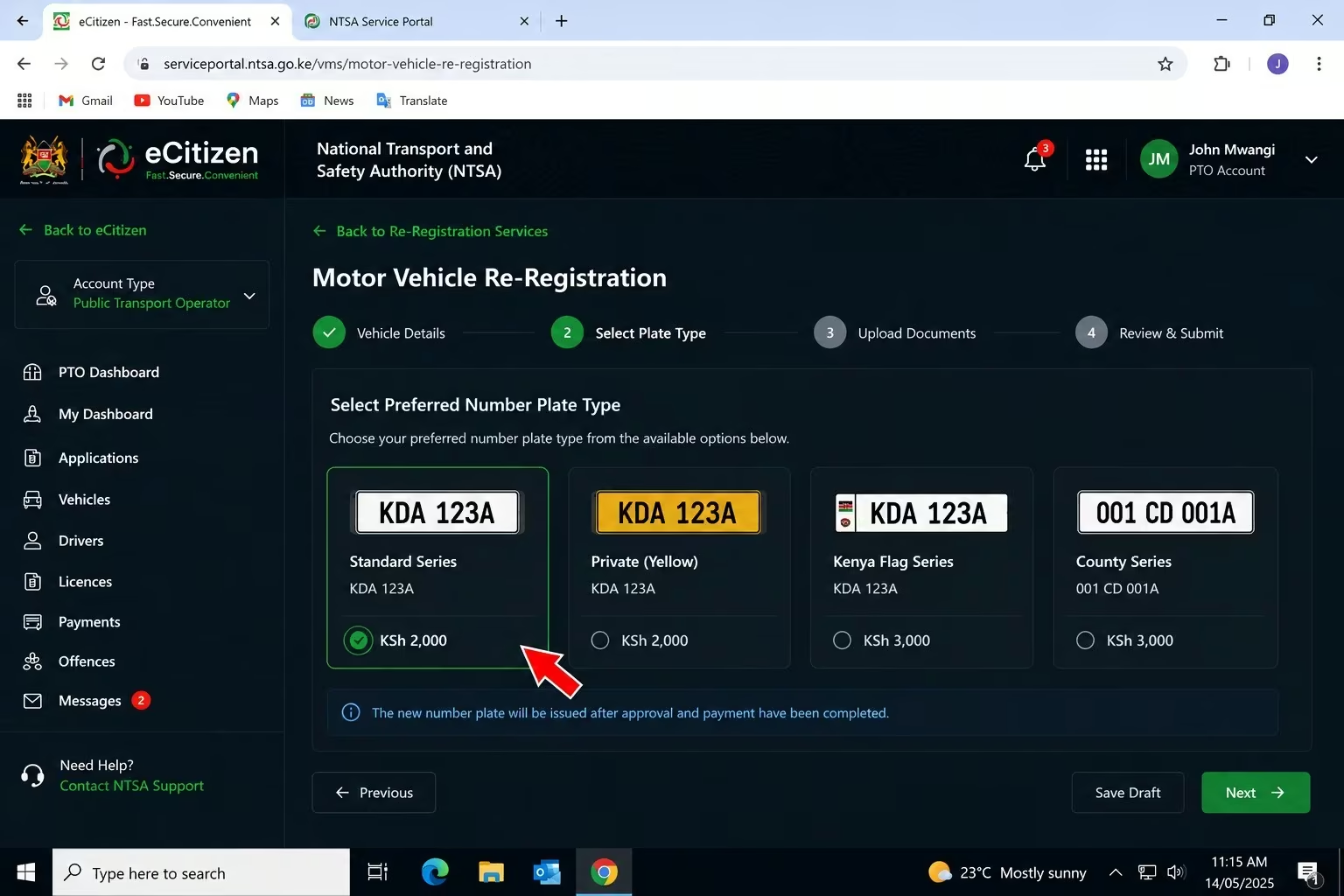
- The system will show available number plate options for selection. Choose the format you prefer from the listed options.
- The new number plate will only be issued after approval and payment have been completed.
Step 6: Upload the Required Documents
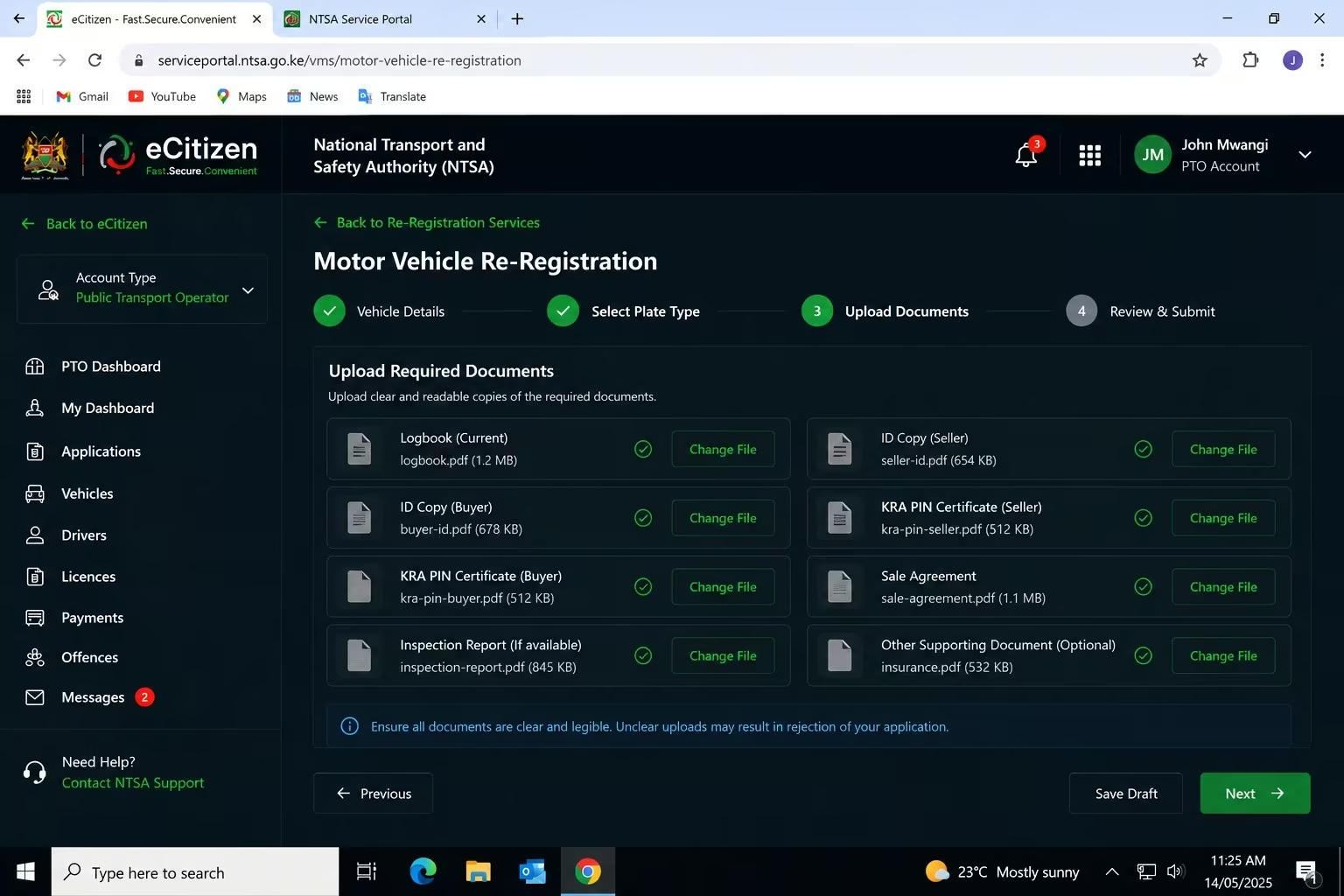
- Upload clear and readable digital copies of all required documents. Ensure each file is complete and properly visible, as unclear uploads are a common cause of rejection.
- Attach each document in the correct section as indicated on the portal.
Step 7: Submit the Declaration and Pay the Fees
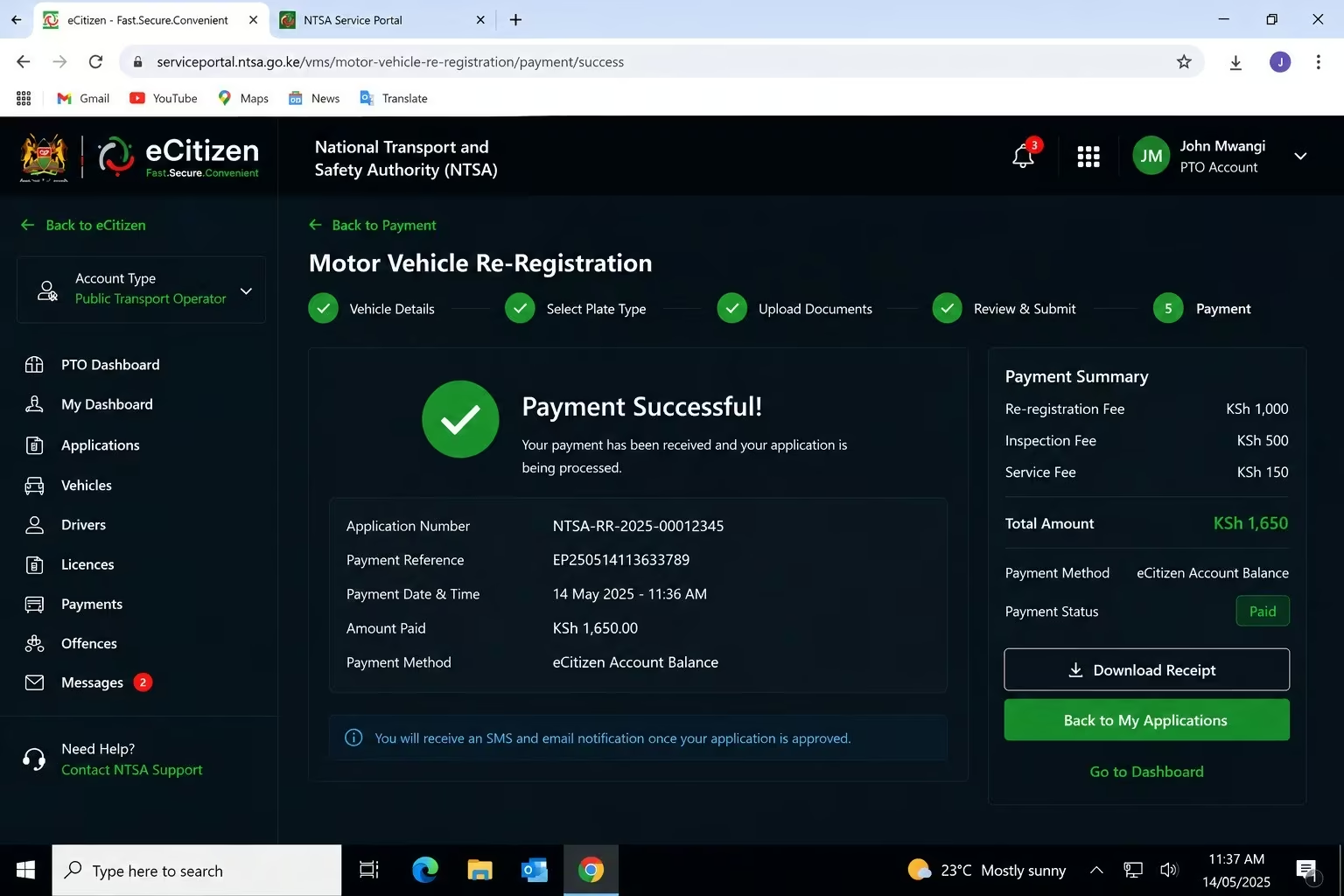
- Review your application carefully before submitting.
- Tick the declaration confirming that all information provided is correct.
- Proceed to pay the required re-registration and inspection fees through the online payment system.
- Once payment is successful, you will receive confirmation via the portal and your registered phone number.
Step 8: Buyer Accepts the Transfer Consent (For Ownership Transfers)
- If ownership is being transferred, the buyer must log in to their own NTSA account and accept the transfer request. The application cannot proceed without this approval.
- The buyer also selects a preferred collection center for the logbook and number plates and may indicate if someone else will collect them on their behalf.
Step 9: Seller Books a Vehicle Inspection
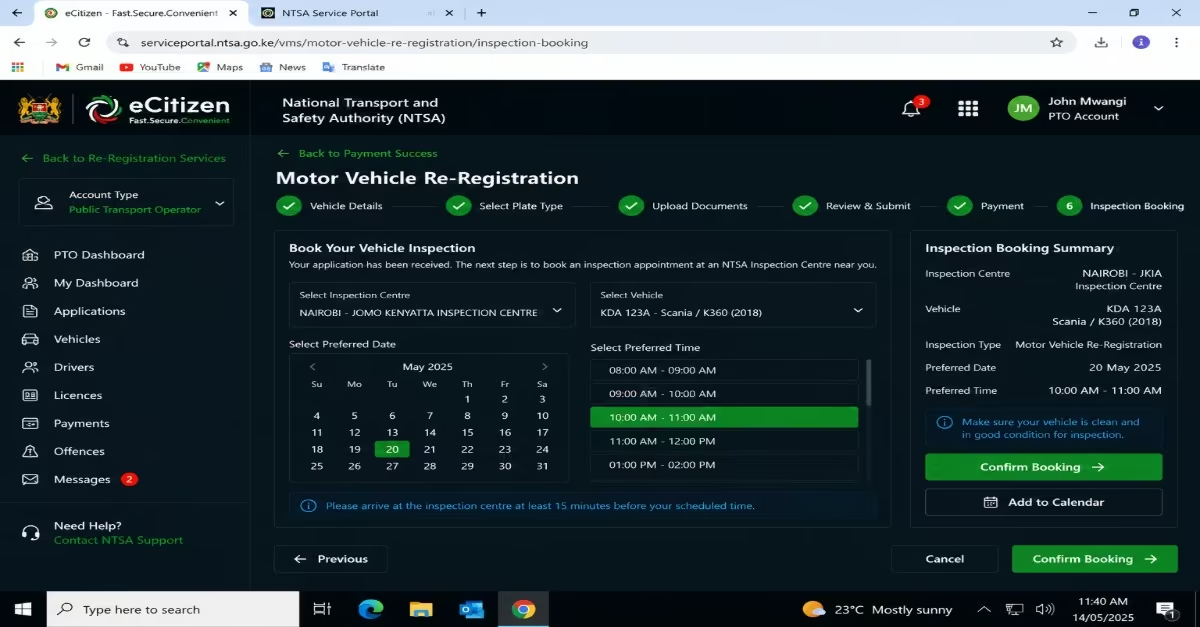
- After the buyer accepts the transfer, the seller receives a notification to book a vehicle inspection.
- Log in to the NTSA portal and choose a convenient inspection center and date. Both the seller and the vehicle must be present during the inspection.
Step 10: Submit Original Documents and Await Approval
- Once the vehicle passes inspection, the original documents must be submitted to the nearest NTSA office for verification. NTSA will then review and process the application.
- After approval, you will be notified to collect the updated logbook and new number plates from your selected collection center.
How Much Does NTSA Vehicle Transfer Cost in Kenya? (2026 Fee Structure)
Understanding the total cost of vehicle re-registration in Kenya is important because many buyers only expect to pay the basic transfer fee and are often surprised when additional mandatory charges appear on the NTSA portal.
The total amount you pay depends on several factors, with the main one being the vehicle’s engine capacity measured in cubic centimeters (cc). All payments are made online through the NTSA Service Portal via eCitizen, and the system automatically calculates and displays the exact fees before you complete your application. The rates below reflect the current charges applicable as of 2026 and are based on commonly used NTSA fee structures.
1. Re-Registration/Transfer Fee (Based on Engine Capacity)
This is the main NTSA charge for re-registering a vehicle or transferring ownership. The engine size of the vehicle determines it and applies to all applicants as the standard base fee:
- Up to 1,000cc -KES 2,210
- 1,001cc to 1,200cc – KES 2,440
- 1,201cc to 1,500cc – KES 2,615
- 1,501cc to 1,700cc -KES 2,960
- 1,701cc to 2,000cc -KES 3,245
- 2,001cc to 2,500cc – KES 4,395
- 2,501cc to 3,000cc – KES 5,505
- 3,001cc and above -KES 6,465
2. Mandatory E-Sticker Fee
In addition to the transfer fee, every vehicle re-registration or ownership transfer in Kenya includes a mandatory e-sticker fee of KES 750, regardless of the engine size. This fee is added automatically by the NTSA system when you proceed to payment on the eCitizen portal and cannot be removed or waived.
How Long Does NTSA Car Re-Registration Take?
The time required to complete vehicle re-registration in Kenya depends on how quickly both the buyer and seller complete their respective steps on the NTSA portal, as well as how soon the vehicle inspection is scheduled and carried out, as per James (2025)
Once the application is fully submitted, NTSA typically takes about 7 to 14 working days to process it, after which the new logbook is issued in the buyer’s name and can be collected from the selected NTSA office or Huduma Center. However, this processing period only begins after key steps have been completed, including the buyer accepting the transfer consent, the seller booking and attending the vehicle inspection, and the submission of original physical documents for manual verification. Any delays at any stage, such as a slow buyer response, a failed inspection, or incomplete documents, can extend the timeline beyond the normal period.
Frequently Asked Questions (FAQs)
Can I Transfer Vehicle Ownership Without A Logbook?
No. The original logbook is required for vehicle transfer in Kenya. If it is lost, the seller must first apply for a duplicate logbook through NTSA.
How Long Does NTSA Take To Approve A Transfer?
Once both the buyer and seller complete all required steps, NTSA usually processes the transfer within about 3 working days
Can I Reverse A Vehicle Transfer?
Yes, but only before the buyer accepts the transfer request on the portal. Once NTSA has fully approved the transfer, it cannot be reversed, and a new transfer process must be initiated together with the required fees.
What Happens If The Seller Dies Before Transfer?
In such cases, the vehicle must be transferred through a succession or forced transfer process rather than the standard procedure. This requires documents such as a death certificate, court papers, DCI reports, and other supporting legal documents before NTSA can approve the transfer.
Can I Transfer A Vehicle Using A Phone?
Yes. The entire process can be completed using a smartphone through the eCitizen portal, including uploading documents and making payments via mobile money.
Is TIMS Different From eCitizen?
Yes. TIMS is NTSA’s internal vehicle management system, while eCitizen is the government’s main online service portal. Vehicle transfer services are accessed through eCitizen, although they operate on the NTSA system in the background.
Can Foreigners Transfer Vehicles In Kenya?
Yes. Foreigners can transfer vehicle ownership using a valid passport or Alien ID, along with a KRA PIN and an active eCitizen account.
What If The Buyer Refuses To Accept The Transfer?
If the buyer does not accept the transfer, the seller may remain legally responsible for the vehicle. In such cases, the seller should report the issue to NTSA and provide supporting documents such as the sale agreement and buyer details.
How Do I Know Ownership Has Changed Successfully?
You will receive an SMS notification from NTSA once the transfer is approved. The updated digital logbook will also appear on your eCitizen vehicle records, and ownership can be confirmed through an NTSA vehicle search.
Can I Transfer A Car With An Outstanding Loan?
No. A vehicle with an active logbook loan or encumbrance cannot be transferred until the loan is fully cleared and the lender removes the restriction from NTSA records.
Read Also: Applying for New Generation Number Plates in Kenya: Step-by-Step Guide
Conclusion
Re-registering a car in Kenya through the eCitizen platform is an essential legal process that ensures vehicle ownership records are correctly updated with the National Transport and Safety Authority (NTSA). Although the system has been simplified through digital services, it still requires careful attention to detail, including preparing the correct documents, following each step properly, and ensuring both the buyer and seller act promptly during the transfer process. You can easily complete the process online using the step-by-step procedure explained above.