

Navigating the Networking Maze: A Comprehensive Guide to Selecting the Right Networking Devices for Optimal Performance and Security
In today’s interconnected world, networking devices are the unsung heroes that enable seamless communication and data exchange across a vast array of devices, from personal computers and smartphones to sophisticated industrial machinery and IoT devices. Whether you’re a tech-savvy home user seeking reliable connectivity for streaming videos and online gaming, or an IT professional managing a complex enterprise network that supports mission-critical operations, selecting the right networking devices is paramount for ensuring optimal performance, security, and scalability. This comprehensive guide delves into the intricacies of networking device selection, empowering you to make informed decisions that align with your specific needs and budget.
Understanding Network Device Characteristics
Before embarking on your networking device selection journey, it’s essential to grasp the fundamental characteristics that define these components. Networking devices serve as the cornerstone of any network, providing the pathways through which data flows and interactions occur. They encompass a diverse range of equipment, each catering to specific networking functions and requirements.
Routers: The Intelligent Gatekeepers of Connectivity
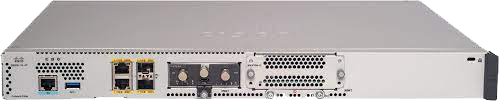
Routers act as intelligent gateways, connecting your network to the broader internet. They manage data traffic, ensuring seamless communication between your devices and the wider online world. Routers play a crucial role in routing network data packets to their intended destinations, ensuring efficient and timely delivery of information. Key considerations when selecting a router include the number of connected devices, internet speed requirements, and security features.
Switches: The Traffic Directors of Efficient Data Flow
Switches act as traffic directors within your network, connecting multiple devices and allowing them to exchange data efficiently. They serve as the central hubs of communication, enabling devices to share files, stream media, and engage in real-time interactions without congestion or delays. Key considerations when selecting a switch include the number of ports, switching capacity, and support for advanced features such as VLANs and QoS.
Firewalls: The Guardians of Network Security
Firewalls stand as the first line of defense against cyber threats, protecting your network from unauthorized access and malicious attacks. They act as barriers, filtering incoming and outgoing traffic based on predetermined security rules, preventing potential threats from entering your network and compromising sensitive data. Key considerations when selecting a firewall include the level of security required, the number of users and devices, and support for advanced security features such as intrusion detection and prevention systems (IDS/IPS).
Additional Networking Devices for Specialized Needs
Apart from routers, switches, and firewalls, a wide array of specialized networking devices exist to cater to specific network requirements. These devices include:
- Wireless Access Points (APs): Expanding network coverage to wireless devices such as laptops, smartphones, and tablets.
- Load Balancers: Distributing network traffic across multiple servers to optimize performance and prevent overload.
- Modems: Converting digital signals into analog signals for internet connectivity.
- Network Attached Storage (NAS): Providing centralized data storage and sharing capabilities.
Makes Available: A Diverse Landscape of Networking Solutions
The networking device market offers a plethora of options from various manufacturers, each catering to specific needs and budgets. From industry giants like Cisco and Juniper Networks to emerging players offering innovative solutions, the range of choices is extensive.
Popular Networking Device Manufacturers:
- Cisco: A global leader in networking solutions, offering a comprehensive portfolio of routers, switches, firewalls, and wireless access points.
- Juniper Networks: Renowned for its high-performance networking solutions, Juniper Networks provides a wide range of devices for enterprise and service provider networks.
- Hewlett Packard Enterprise (HPE): A leading provider of networking infrastructure, HPE offers a range of devices known for their reliability and scalability.
- Huawei: A global technology company, Huawei provides networking solutions for various industries, including telecommunications, enterprise, and cloud computing.
- Zyxel Communications: A leading Taiwanese manufacturer of networking solutions, Zyxel offers a range of devices for SMBs and home users.
Considerations for Configuration, Security, and Compatibility
Once you’ve identified the networking devices that meet your specific needs, it’s crucial to consider the following aspects for optimal performance, security, and compatibility:
Configuration:
- Ensure the devices are compatible with your existing network infrastructure and software.
- Configure devices with appropriate settings to match your network topology and security requirements.
- Utilize user-friendly management interfaces for seamless configuration and monitoring.
Security:
- Implement strong passwords and enable encryption protocols to protect against unauthorized access.
- Regularly update firmware and software to address vulnerabilities and enhance security.
- Utilize advanced security features such as intrusion detection, firewalls, and VPNs to safeguard your network.
Compatibility:
- Verify compatibility with existing network devices, operating systems, and protocols.
- Ensure the devices adhere to industry standards and support interoperability.
- Seek guidance from technical support if compatibility issues arise.
Pricing and Availability
Networking devices range in price from affordable consumer-grade options to high-performance enterprise solutions. The cost of each device depends on its capabilities, features, and brand reputation. Before making a purchase, conduct thorough research, compare prices from different vendors, and consider the value proposition each device offers.
Usage and Availability
Assess your network usage patterns and consider the availability of the devices to ensure they meet your requirements. If you experience heavy network traffic, consider devices with higher bandwidth capabilities. If consistent uptime is critical, prioritize devices with high availability features and redundant components.
Additional Considerations
- Scalability: Choose devices that can accommodate future growth and expansion of your network.
- Vendor Support: Consider the level of customer support provided by the vendor in case of technical issues.
- Sustainability: Choose devices that are energy efficient and adhere to environmental standards.
Conclusion
Selecting the right networking devices is a crucial decision that impacts the performance, security, and scalability of your network. By understanding the characteristics of different





Good article and information has provided insights that are much needed