
Artificial intelligence (AI) has come a long way from its inception in the 1950s. Initially, AI had a limited set of abilities as it relied on rule-based systems that were programmed to follow specific instructions. However, with advancements in technology and an increase in available data, AI has evolved to become a more intelligent and versatile system.
Machine learning is at the core of AI evolution, allowing machines to learn patterns and make predictions from data, without being explicitly programmed. This has led to the development of deep learning, a subfield of machine learning that uses neural networks to make complex decisions and predictions.
The Impact of AI
The growth of AI has impacted various industries, such as healthcare, finance, and transportation. In healthcare, AI is used to speed up medical diagnoses and find new treatments for diseases. In finance, AI is used for fraud detection and to analyze financial data. In transportation, AI is used to improve the efficiency of traffic flow and develop self-driving cars.
However, the growth of AI has also raised concerns about its impact on the workforce. AI systems can automate tasks that were previously carried out by humans, leading to job displacement for many workers. It is important for society to address these issues and find ways to balance the benefits of AI with its potential negative impact on jobs.
The growth of AI has been a remarkable journey, and we can expect to see even more advancements in the future. As AI continues to evolve, it will bring enormous benefits to society, but it is important to carefully consider its impact on the workforce, and ensure that we are using this technology in a responsible and ethical manner.
One of the key areas where AI is expected to have a significant impact in the future is education. AI-powered tools can help students learn at their own pace and provide personalized feedback to improve their understanding of concepts. This can lead to better academic outcomes and make education more accessible to students from different backgrounds. Additionally, AI can assist teachers in grading assignments and providing targeted interventions for struggling students.
AI in Robotics
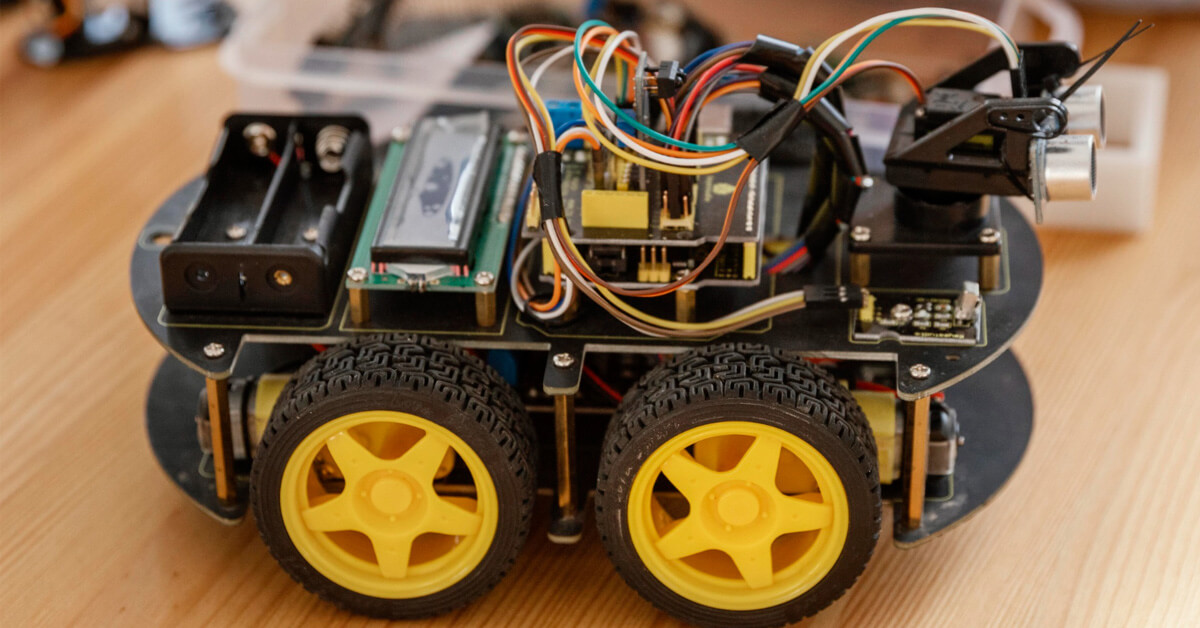
Another area where AI is expected to make significant progress is in the field of robotics. With advancements in machine learning and sensor technology, robots are becoming more intelligent and capable of performing complex tasks. This has led to the development of collaborative robots or cobots, which work alongside humans in manufacturing and other industries. Cobots can automate repetitive or dangerous tasks while allowing humans to focus on more creative and strategic work.
Overall, the growth of AI presents both opportunities and challenges for society. As we continue to explore its potential, it is important that we do so with caution and consideration for its impact on various aspects of our lives, including employment, education, healthcare, and beyond.
One area where AI has already made significant progress is in the field of natural language processing (NLP). NLP allows machines to understand and interpret human language, enabling them to perform tasks such as language translation, sentiment analysis, and chatbot interactions. As NLP technology continues to improve, we can expect to see more widespread adoption of these applications in various industries and settings. Additionally, AI-powered virtual assistants like Siri and Alexa are becoming increasingly popular for their ability to assist with tasks such as scheduling appointments and setting reminders.
AI in Renewable Energy
Another promising area for AI development is in the field of renewable energy. AI can be used to optimize energy production and distribution systems, reducing waste and increasing efficiency. For example, wind turbines equipped with sensors and machine learning algorithms can adjust their blade angles based on real-time weather data, maximizing energy output while minimizing wear and tear on the equipment. In addition, AI-powered smart grids can monitor energy usage patterns and adjust supply accordingly, reducing the need for expensive backup power sources.
Conclusion
As AI continues to evolve and impact various aspects of our lives, it is important that we prioritize ethical considerations in its development and use. This includes ensuring transparency in decision-making processes, avoiding biases in data collection and analysis, and protecting individual privacy rights. By doing so, we can harness the full potential of this trans-formative technology while minimizing its negative impacts on society.